18 Jul 2026
Humidity near Durban and coastal yards turns water-based ink into a risk. Here is how cold-chain ink and tight routines help keep your carton marks crisp and legible.
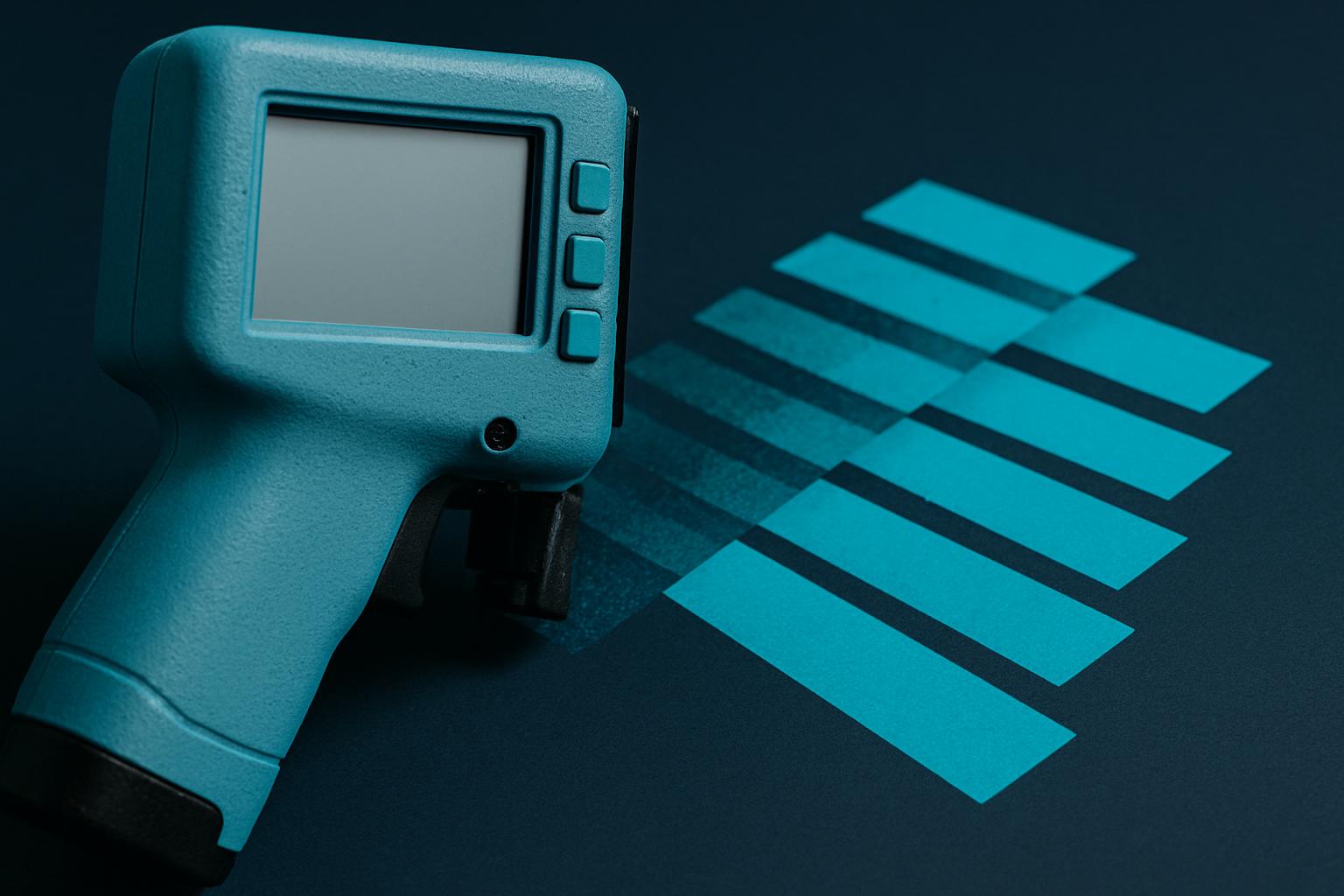
If you ship pharmaceuticals, handle farm cartons or load in coastal rail yards, you know water-based ink blurs at the wrong moment. If your cartons only see a dry room or Gauteng’s Highveld dust, start with the Highveld UV ink choices note instead. Design agencies and procurement teams who have not walked a dispatch bay will find this too tactical for their needs. This is a repeatable pattern for operators who already run a portable coder under these conditions.
In Durban yards and along the coast, carton surfaces often carry more moisture, especially after cold storage or overnight condensation. Standard water-based ink becomes unreliable, often smudging before the carton leaves the yard. Export bays in Isando or Cape Town face similar issues when chilled or frozen goods arrive for late loading. To get a mark that survives freight, you need cold-chain cartridges designed to set fast on damp, coated or chilled cartons. These inks handle fluctuating temperatures, resist humidity and remain legible even after a bakkie ride or container shuffle. The right process protects both your marks and your logbook, no handover arguments or lost tracking because of a wet wipe.
Picture a morning at a Durban warehouse. The first pallet comes from cold storage. The operator unpacks the handheld, checks the substrate, plain board with some condensation, and slots in the cold-chain ink. After a test spray, they wipe the tip, then print a clear batch mark on the first carton. They photograph that mark under yard lighting and store the image with the shift date. Any exceptions, like a new coated carton or a soft crush, are logged in one line for the next lead. If the sun shifts and the outdoor UV risk increases, the operator checks visibility at both ends of the yard before continuing. When a new carton sample arrives mid-shift, they do not rush to print, they log the sample, mark it for later review and move on. This keeps records tight and marks predictable.
Before you send a message through our contact form, check your carton substrate as it comes off the delivery truck. Note if your cartons are coming from cold, have visible condensation or a glossy finish. Include a snapshot of your existing mark, and list the ink type and template, if you know them. If your cartons run through both cold and ambient areas, mention the shift routine and where problems usually show up. If you use a process card or bay checklist, attach a copy. This helps our team match your workflow to the right cartridge and template.
The most common pitfall is treating all cartons the same, even when humidity and condensation change daily. Using standard ink on chilled or damp surfaces often leads to marks that smear or vanish on contact. Another risk is failing to log exceptions or not photographing the first good mark, leading to confusion on the next shift. Swapping cartridges without recording the change breaks the tracking chain. Avoid inventing new routines mid-shift, stick to the checklist and update your field process notes only after trial runs. If a power cut is due, prioritise cartridge and template checks early to avoid rushed work in the dark. Cold-chain marks fail less often when you keep records visible and routines tight.
Verified Google reviews