Codes
Real tips, habits and mistakes from coding teams across South Africa. See what works for batch, crate, carton or site marking before your next order or field job.
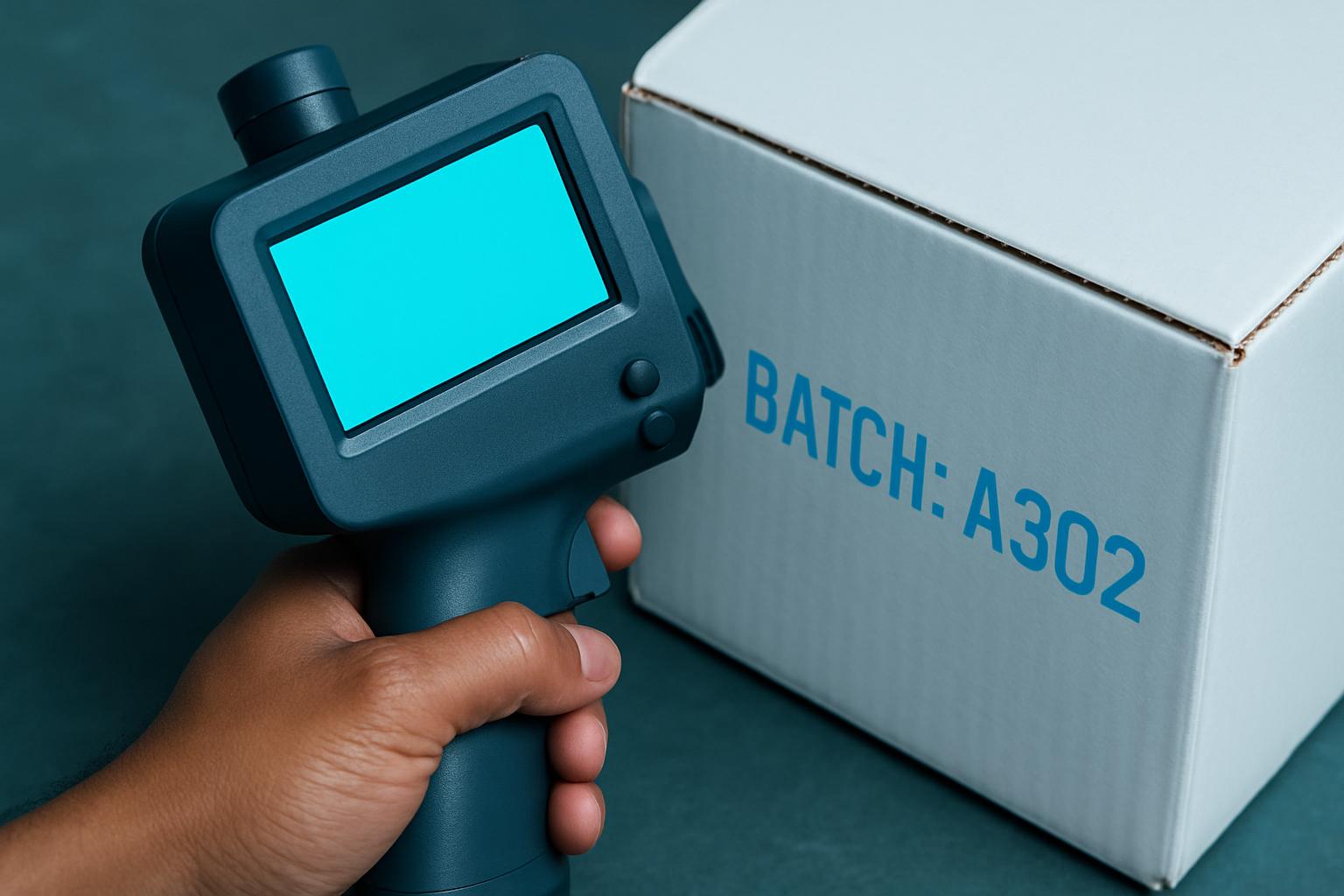
What the coding bay checks before a bakkie run.
Read
Aisle height, contrast, and why soft film needs InkCell Soft.
Read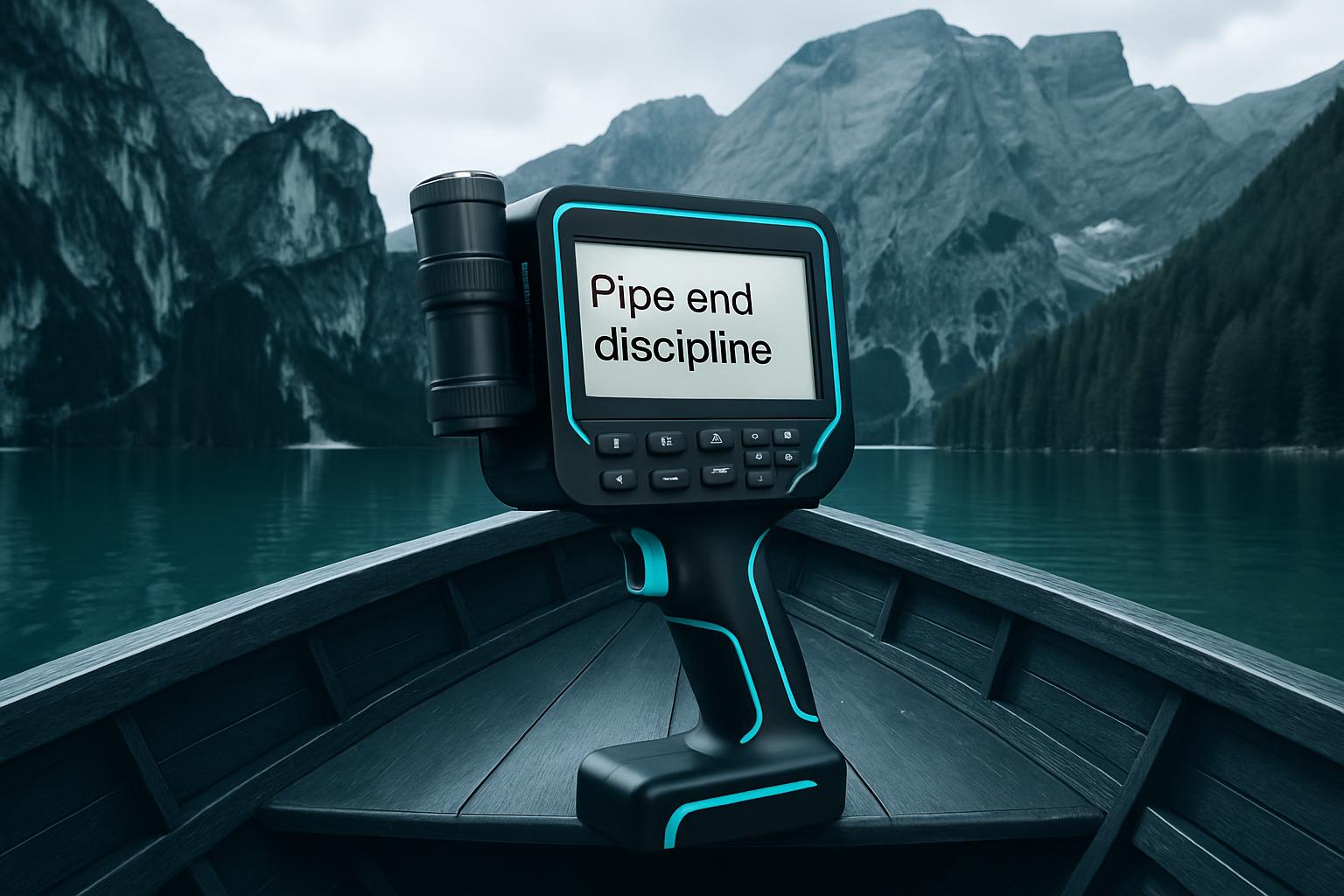
Wipe first, then mark, then photograph for the job folder.
Read
A wipe tip and a low-temp cartridge beat a foggy code.
Read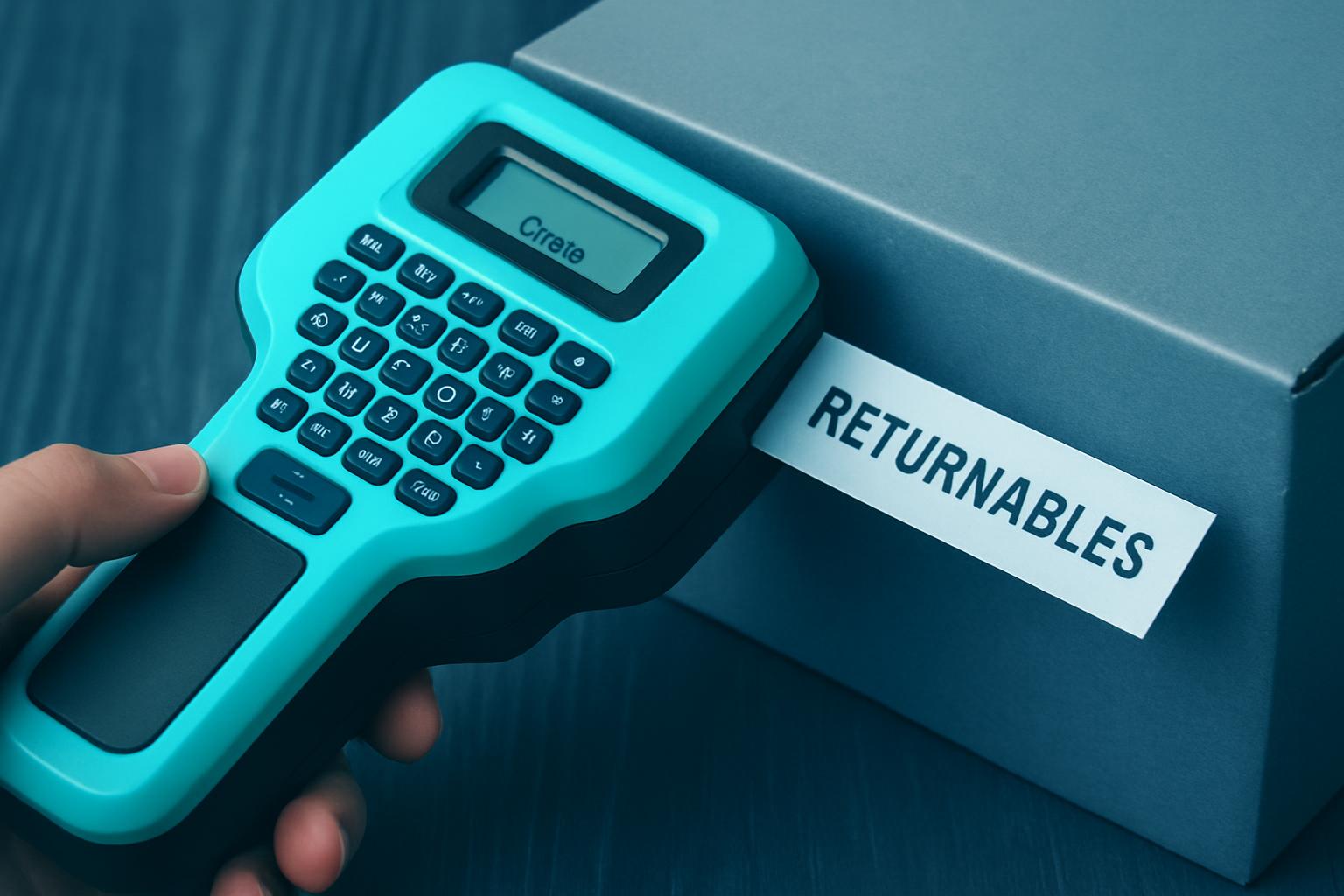
Codes that survive wash and still scan for dairy loops.
Read
Rough board ends need pigment ink and a slower pass.
Read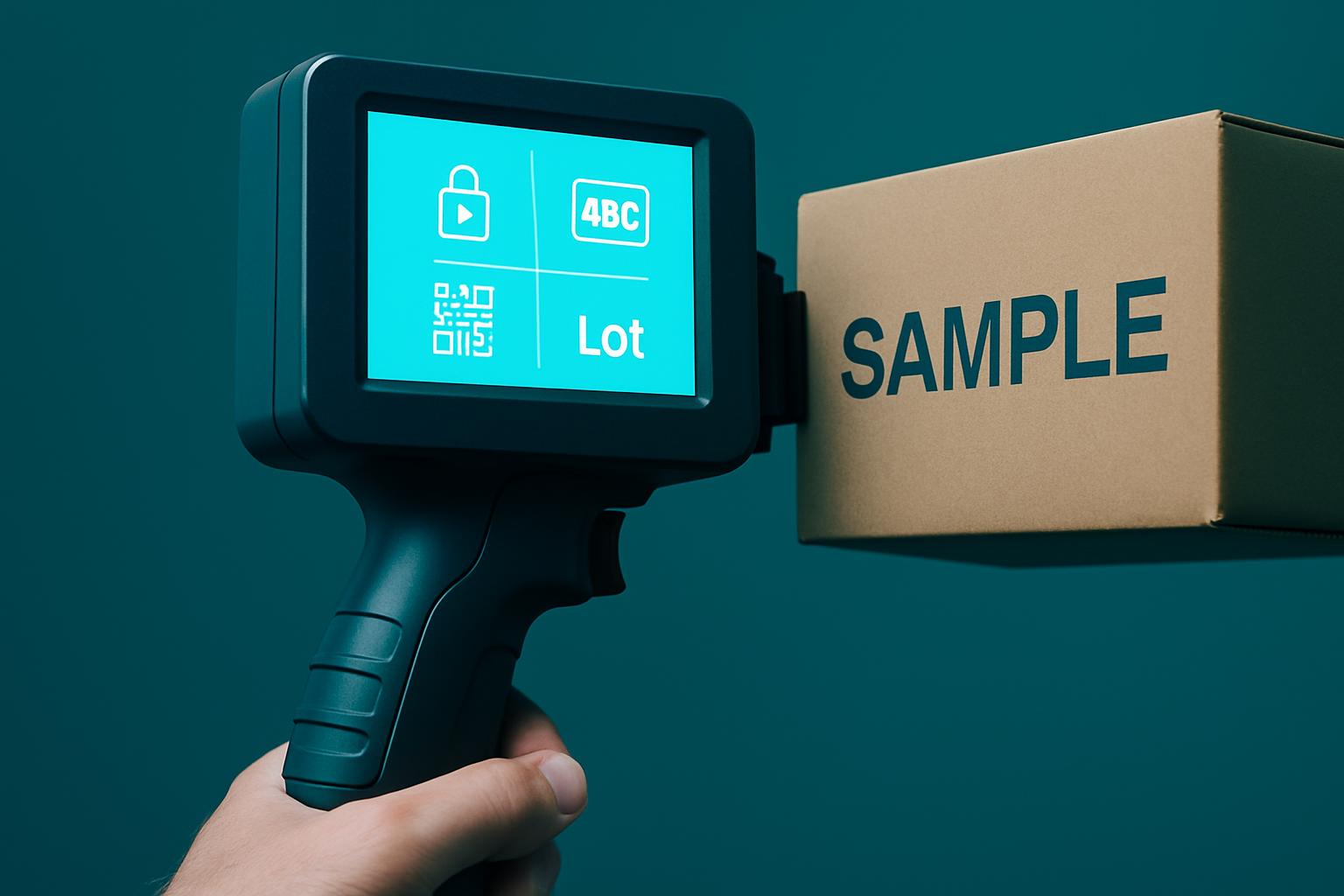
Why Pharma Lot keeps expiry layouts frozen for the shift.
Read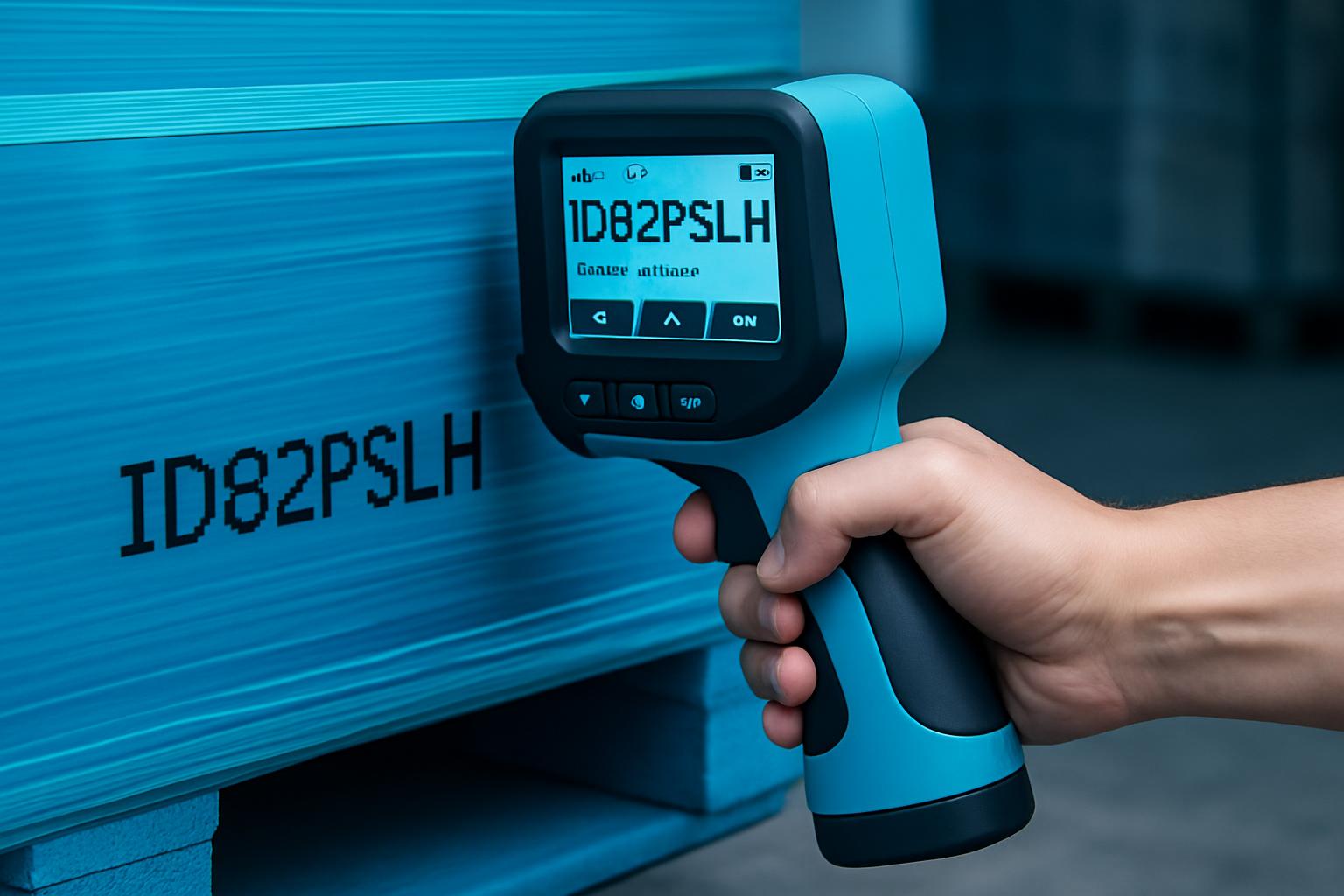
CrateCode XL bands that freight handlers can still read.
Read
Quick cartridge changes for event tents and sample packs.
Read
Outdoor cartridges that do not fade after a week in sun.
Read
Humidity near Durban yards and how cold-chain ink helps.
Read
Wipe cadence that Ronesh Reddy actually asks crews for.
Read
Pressure-limited heads so foam does not crater.
Read
What Onalenna pins before a Clearwater demo hour.
Read
Hot-swap habits for MarkMate Pro on long aisle walks.
Read
Readable heights for yard crews reading from a bakkie.
Read
Low-noise Pharma Lot when offices sit next door.
Read
SteelMark Edge only sticks after a honest wipe.
Read
Go-sized templates for stores without a fixed coder.
Read
Template bay loads that keep three shifts aligned.
Read
Dust flaps and timber pigment on site days.
Read
Why every field path starts with one photo in the folder.
Read
Colour left, black centre, outdoor right, so swaps stay calm.
Read
What to recheck when power returns mid-coding walk.
ReadThese notes come from real jobs on South African floors, bays and aisles. They draw on the habits, tricks and stumbles that operators and foremen report when marking cartons, crates, or parts for dispatch and tracking. If you’re running mobile teams or packing in a noisy, humid or dusty spot, the focus stays on what happens when conditions are less than perfect. Each topic is grounded in a specific task, such as pipe end discipline in oily yards, carton aisle marks that stay readable, or timber grain mode without scrap.
If you’re in charge of marking before the van leaves, keeping warehouse stock labelled, or need to prove a mark survived a Durban cold room, these notes will help. Foremen, packing crews, QA staff and mobile operators across Gauteng, Gqeberha, Polokwane and the Cape rely on quick, clear guidance, not just theory. Whether you need washable codes for crate loops or one-off promo marks for event tents, you’ll find the tried-and-checked fixes other South Africans use. If you’re preparing questions for our team, checking the relevant topic first can help you ask the right thing.
Choosing the right marking method depends on what you’re coding, where it will travel, and who will need to read it. Look for notes on batch codes before the van leaves if your SKUs move fast or the truck loads at short notice. For damp or outdoor work, see Highveld UV ink choices for sun and coastal damp carton marks near humid yards. If you’re marking foam packaging or timber, don’t miss soft foam corner marks and timber grain mode without scrap, which show the right pressure and pigment. For cold storage or crate loops, the right ink and wipe habits can save hours on rework. If you’re unsure, compare a few code topics and check what fits your bay or walk.
Many first-timers reach for the nearest ink or template and hope for a readable mark. The most common slip is using standard ink on high-grain or wet timber, which leads to fading or legibility problems before stock reaches the customer. Skipping the wipe on oily or wet surfaces also means marks rub off quickly. In shared yards, not locking templates or font sizes causes confusion and extra checking for every shift. If you’re working in noisy weeks, neglecting regular nozzle care (see Nozzle care in a loud week) makes for blurry or missing codes just when you need proof for dispatch or SARS paperwork.
If your floor, bay, or run needs something out the ordinary, or you face conditions not covered in these notes, you can always ask us for real answers that suit your South African site. Our team works from Germiston but supports crews in every province, whether your challenge is Highveld dust, coastal humidity or power interruptions. Send a message through our contact form with your marking challenge, and mention if you have read a particular note already. You can also visit our showrooms in Gauteng or Cape Town to see a mark made live. The gallery and fields pages are also helpful for seeing past projects.