Fields
Each field path links a portable coder to a specific job in South African production, storage or dispatch. Match your real conditions to the right path.

Date and batch marks on moving carton lines without stopping the aisle.
Open field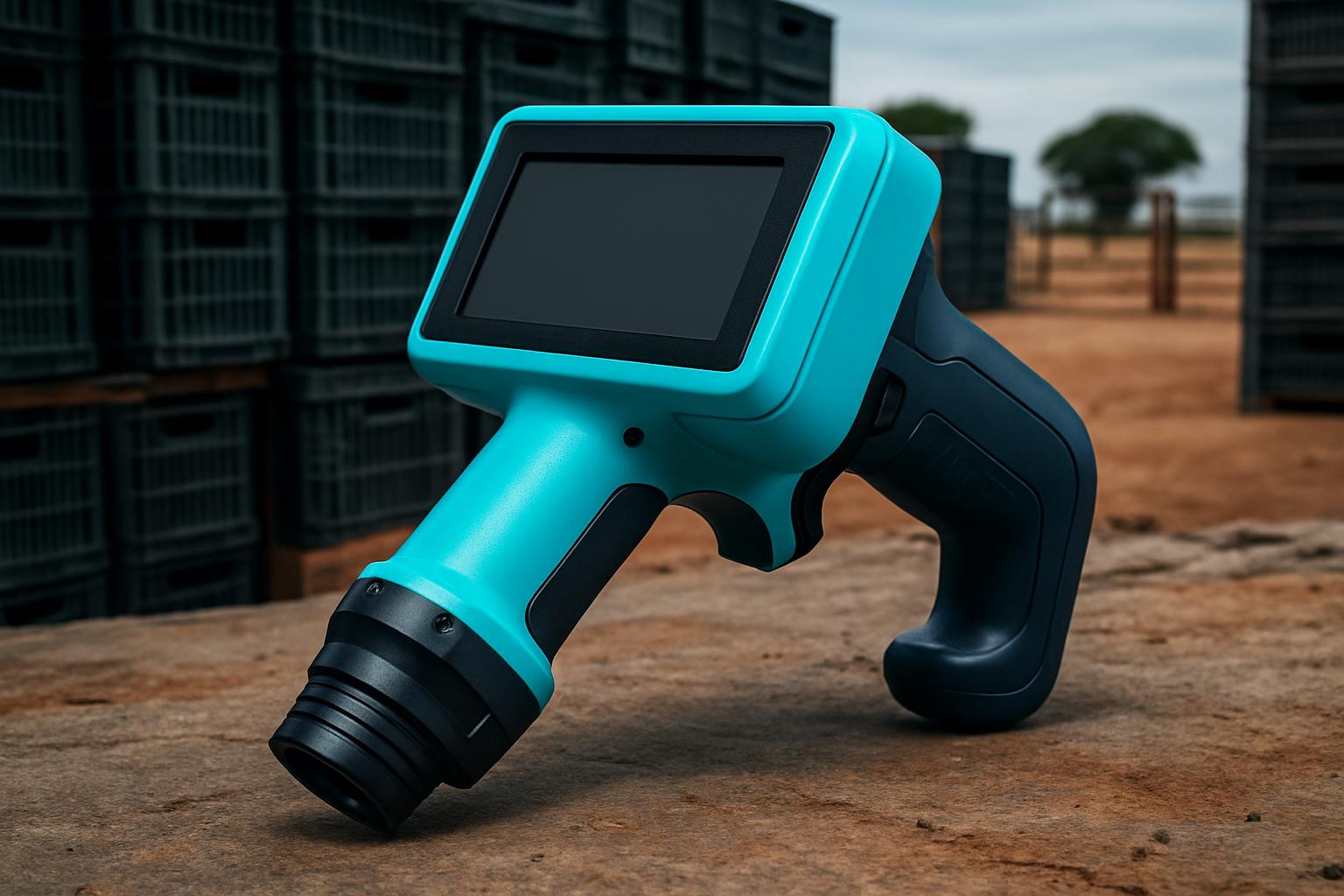
Outdoor crate codes that survive dust, sun, and bakkie trips.
Open field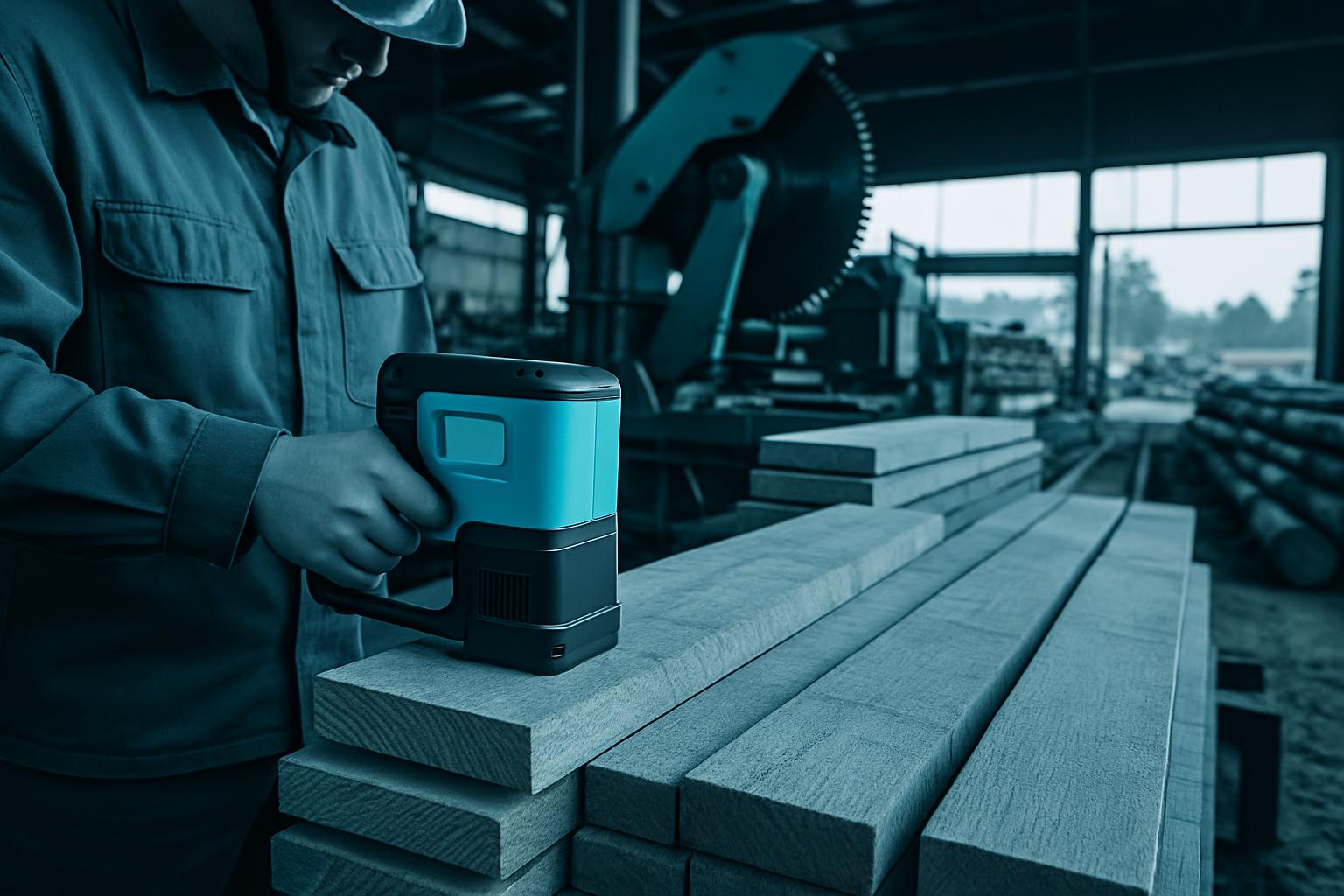
Board-end tickets and species codes on rough timber.
Open field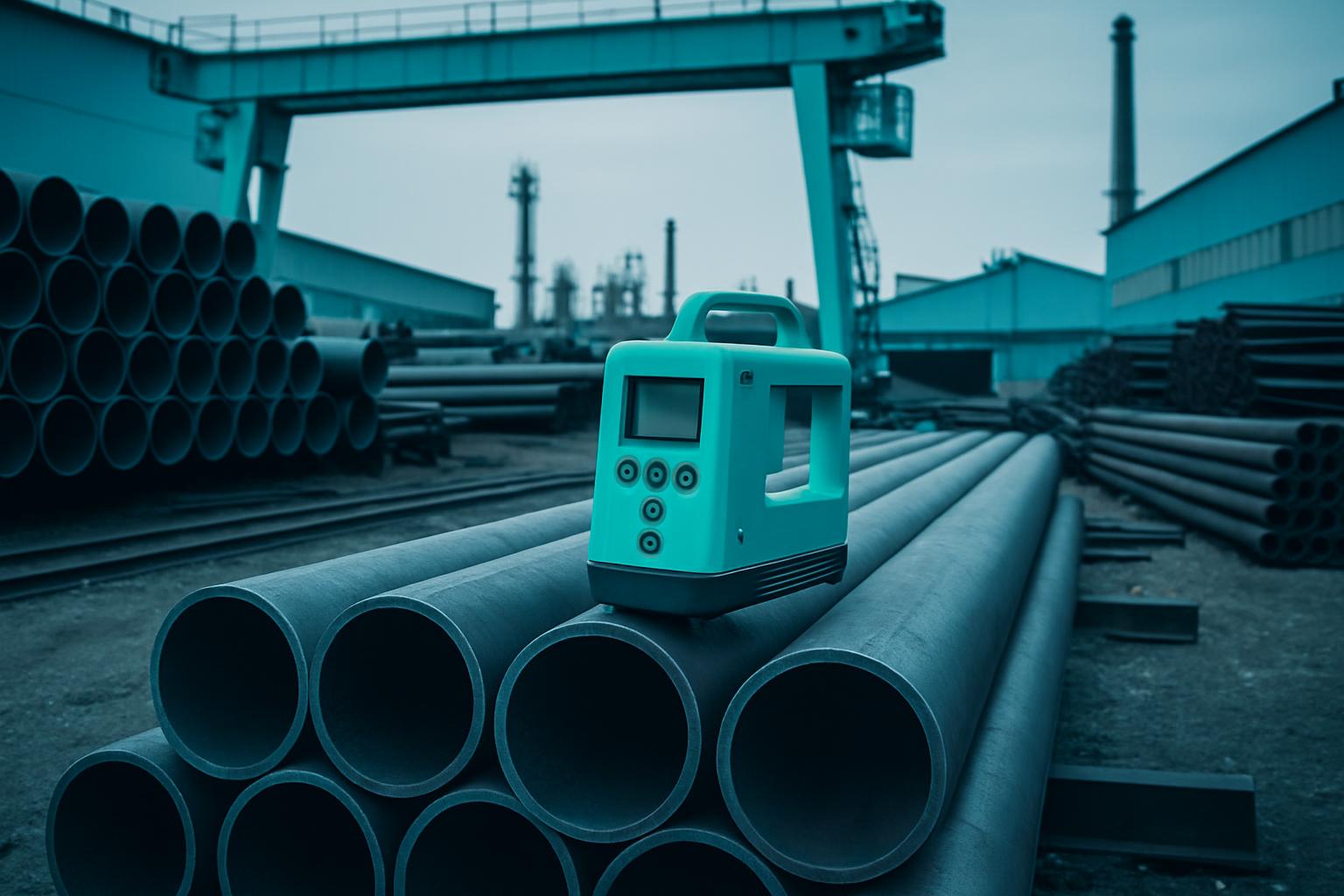
End marks on pipe and brackets where labels peel.
Open field
Chilled carton coding with condensation discipline.
Open field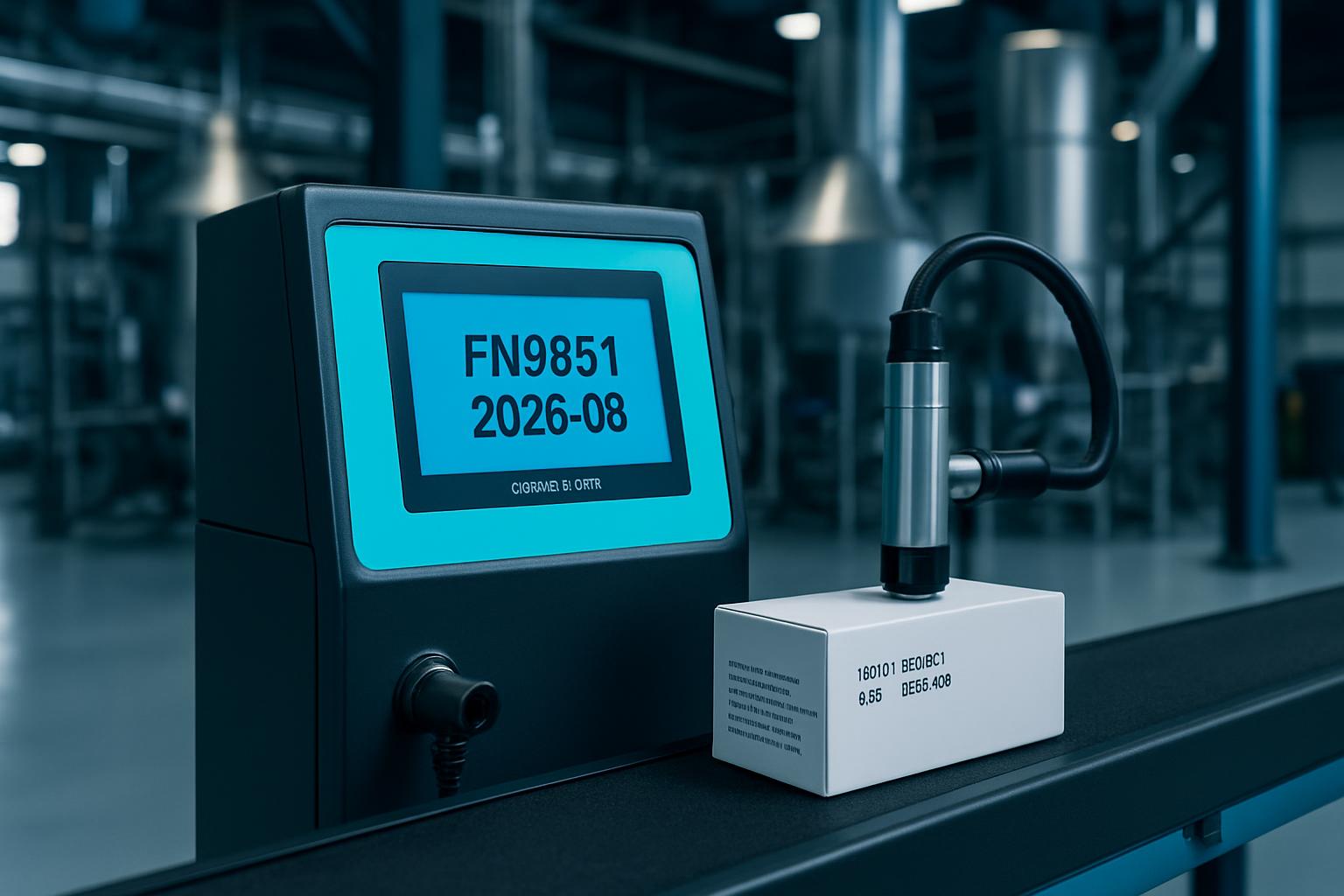
Lot and expiry on secondary packs with quiet templates.
Open field
Wide marks for export pallets before the container closes.
Open field
Gentle marks on foam and soft wrap corners.
Open field
Short event runs and sample packs with colour swaps.
Open field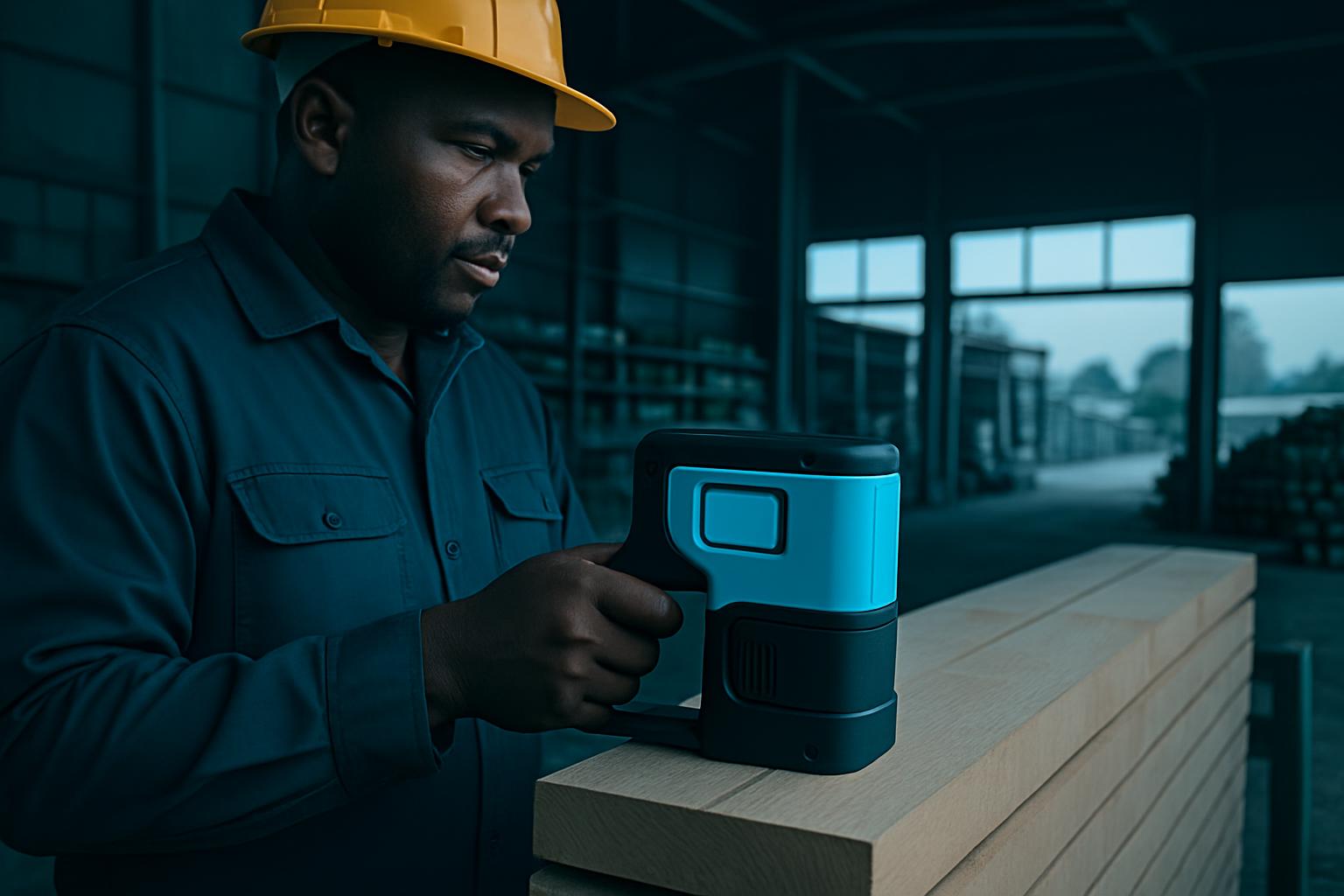
Backroom date marks for stores without a fixed coder.
Open field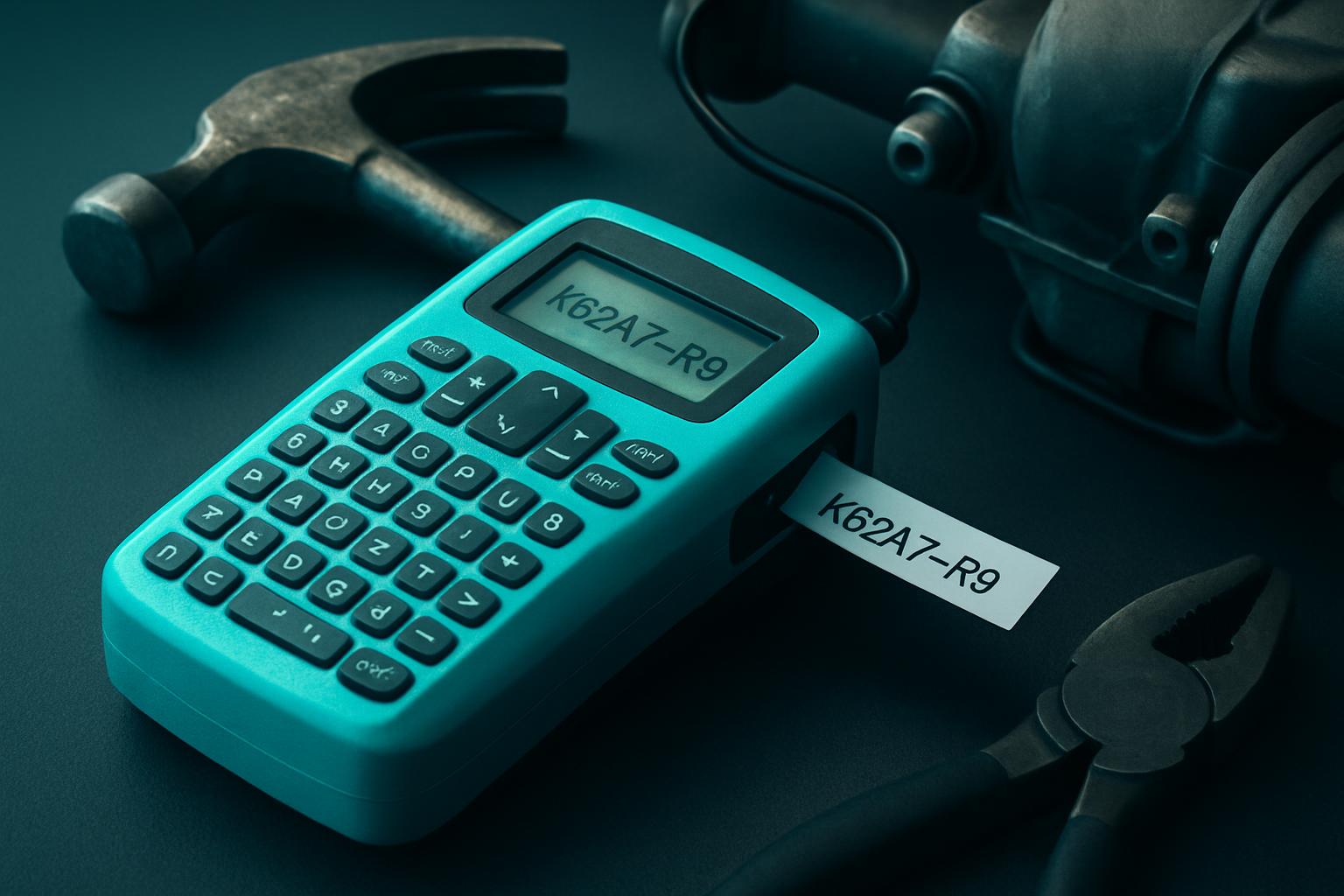
Part codes on oily brackets and plastic housings.
Open field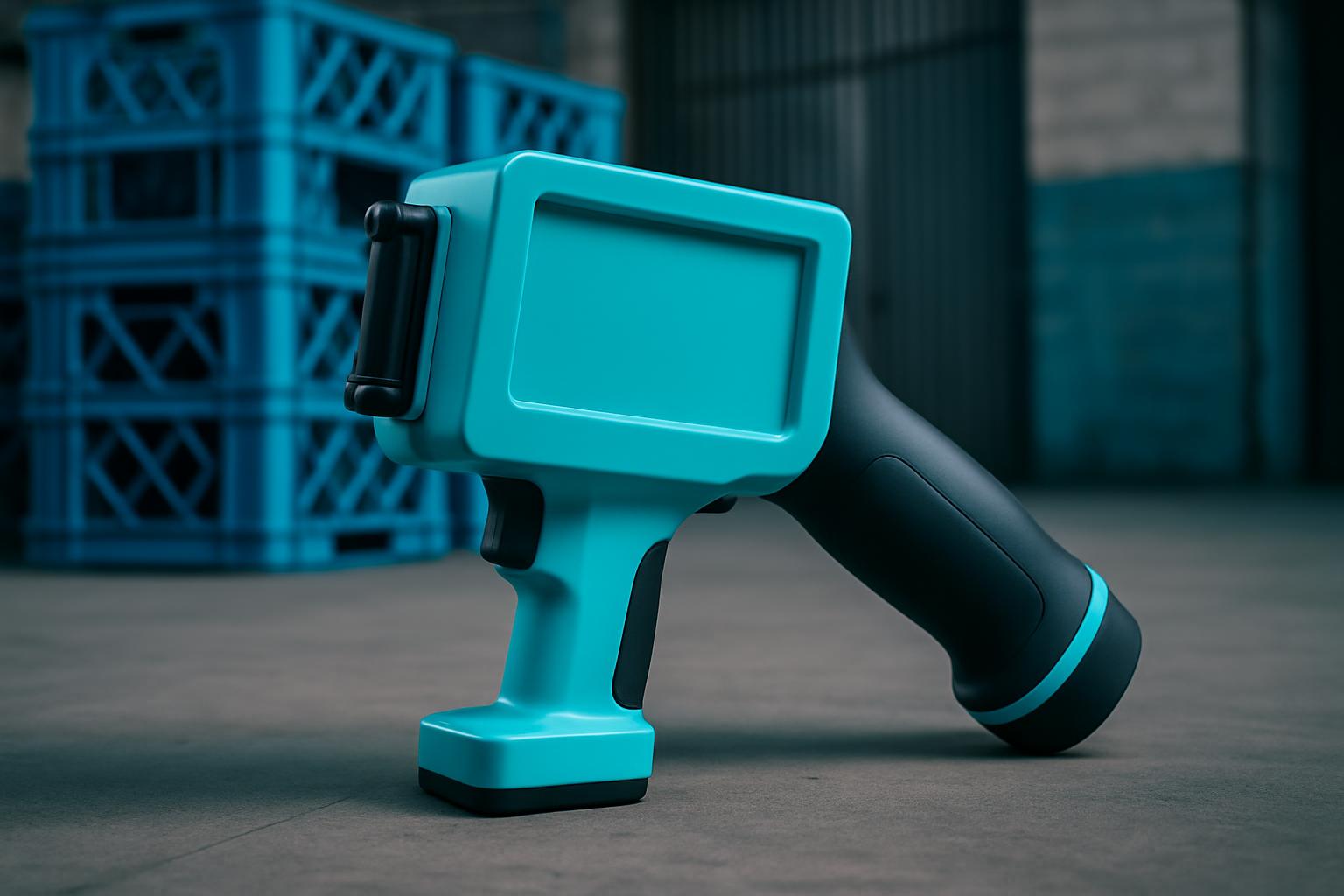
Returnable crate loops with wipe-friendly codes.
Open field
Kit and board marks on dusty site days.
Open field
Hub bag and tote codes when printers are shared.
Open field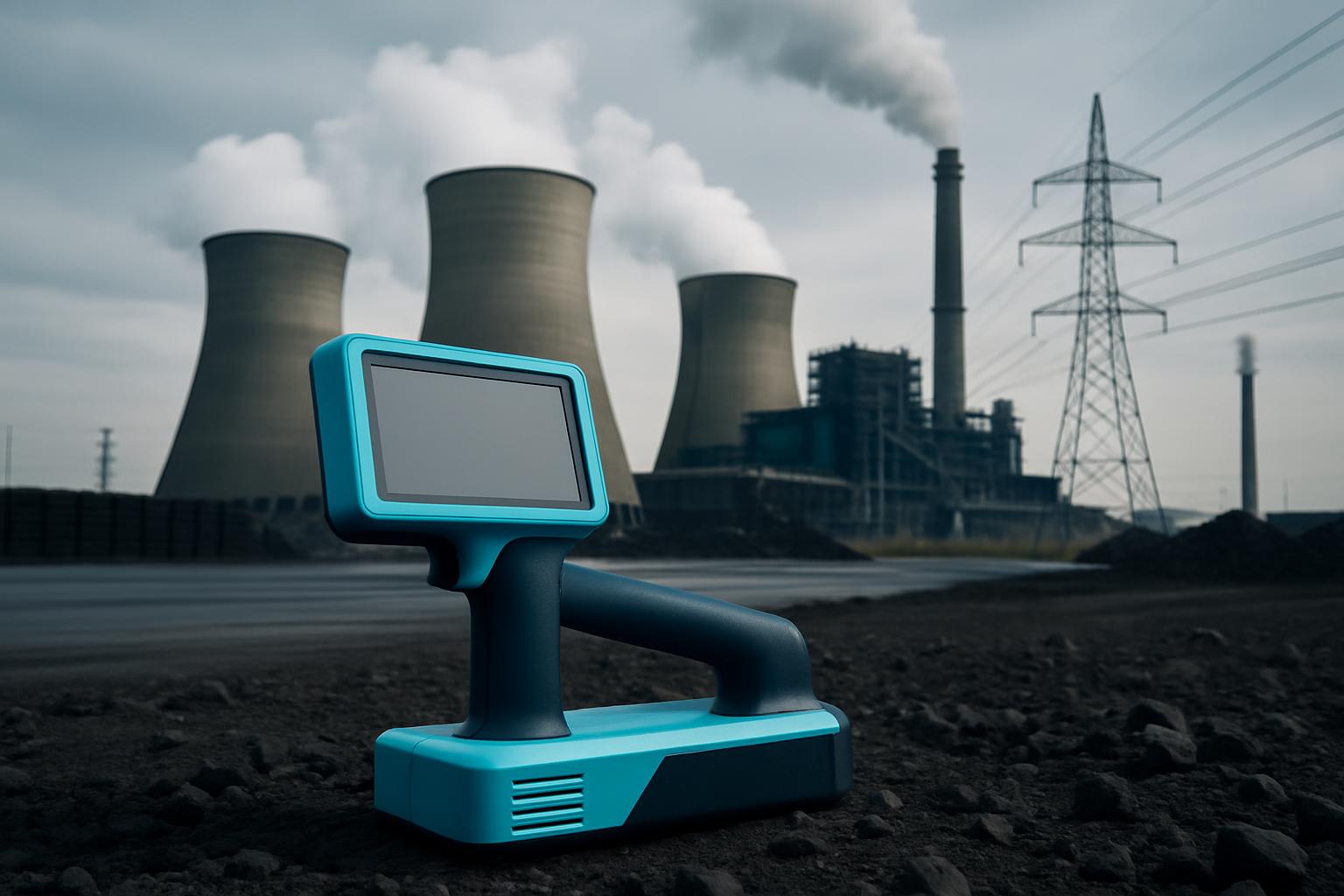
Dry heat and UV that punish weak outdoor ink.
Open field
Damp cartons and salt air near Durban and PE yards.
Open fieldField paths group typical South African work sites and jobs where a fixed printer cannot cover every box, crate or parcel. Each path describes a pairing: a portable device and the coding style, technique or ink that works in that setting. Whether you are overseeing a busy warehouse in Germiston, a farm yard in the Karoo, or a cold store pack line near Durban, there is a field path designed around your daily conditions. The goal is to help you find a sequence with tested results before you organise a demonstration or place an order.
Floor supervisors, packhouse managers, operators, small business owners and contract teams often rely on field paths when portable coders have to cover jobs spread across a site or several sites in a day, often where space is tight. Examples include operators handling warehouse cartons, packers coding dairy crate loops in high-turnover distribution, or teams working with auto components where oil and rough handling test every ink and message.
Match your job to a field path by reading the examples and considering three points: surface and material, handling conditions, and local risks. A pipe and steel yards path works for marking aluminium or steel in heat and dust, while a soft film wraps path focuses on foam corners and gentle packaging where heavy ink marks cause rejections. If you are working in the Highveld with outdoor storage, check Highveld outdoor batches for advice on dry, UV-exposed jobs.
Look for details on each path’s recommended device, ink type and message layout. If you must code chilled, damp or wipedown surfaces, such as in dairy crate loops or cold store packs, always check for tips on condensation discipline or washable codes.
A common mistake is choosing a path by packaging shape, not by handling risk or surface condition. For example, thin wrap and soft foam may need a different ink or nozzle setting than similar-sized board or carton jobs. Another pitfall is ignoring humidity or dust: operators switching from Bloemfontein warehouse work to Gqeberha coastal yards may find their usual ink vanishes in salt air. Never assume that a code proven in a sign room will handle the heat, vibration and movement of an outdoor farm crate yard. Double-check your choice if your jobs cross both indoor and outdoor shifts.
It’s also easy to overlook ink replenishment or cleaning needs. If your team codes across multiple field paths in a single day, plan for spare cartridges and wipes, plus a way to contact us if jobs change mid-shift. We see packaging failures and missed marks where teams skip these checks.
We build every field path from real use in South African yards, storerooms and production sites. If you don’t see your scenario or need advice about a mixed batch of surfaces or materials, send a message through our contact form. Our team can point you to relevant projects, send photos from past installations or suggest a custom test day. For information on individual devices and code types, see our solutions or codes notes pages. If your team is local to Gauteng or the Cape, ask about a showroom visit to try a device in person before you order.