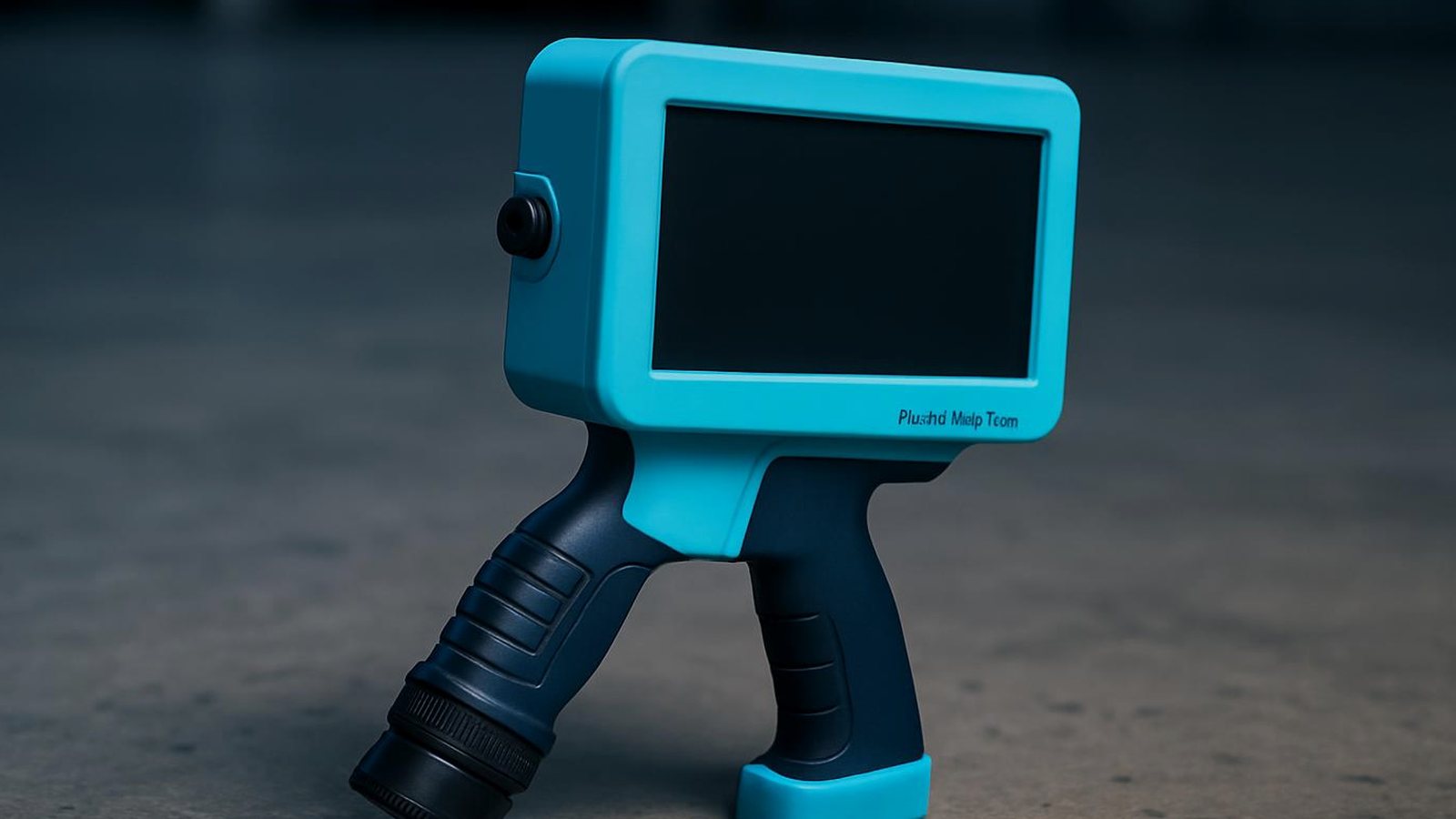
| Ink / cartridge | UV-resistant outdoor cartridge |
|---|---|
| Print / walk | 12.7 mm · glove-friendly trigger |
| Power | Sealed pack · IP54 shell |
| Typical fields | See Fields paired to this device |
Use the contact form if you want a sketch for your bay layout.
The FieldPath Mini process is built for operators who walk their shift. If your coding needs change by the metre, think farm gates, stacking crates, or yard pallets, this device keeps up. It suits fruit packers in Limpopo, warehouse crews in Isando, and mobile teams in coastal yards who cannot spare time for paperwork between jobs. If your line has fixed coders and most marks happen at a stable packing bay, a different process may fit better. FieldPath Mini is for crews who move, not those who print from a single workstation.
South African sites bring specific challenges: Highveld dust, sudden rain, and power cuts during peak. The FieldPath Mini process keeps things honest, no complicated steps, no fuss. Start with a substrate check: timber, steel, foam or carton. Choose the right ink cartridge, especially if your mark must survive cold stores or sweaty, humid yards in Durban. Operators load their template, confirm cartridge fit, and wipe the print head. The glove-friendly trigger works even with cold hands, and the sealed shell (IP54) resists dirt and moisture. Always photograph the first mark that meets the job’s need, before the aisle fills or machines start up. That photo is the quick record if questions crop up after shift.
Let’s say your team in a Midrand crate yard needs to code mixed cartons before dispatch. The shift supervisor starts by setting the walk path, maybe across a yard, between stacks and trucks. The operator loads the day’s batch template, confirms a UV-resistant cartridge, and wipes the head. They take a clear photo of the first good mark for quick reference. If cartons change mid-shift, log walk height and mark position on the check card. When marks need to switch from carton to foil-wrapped product, swap the cartridge and note the template code. This keeps every shift smooth, even when the foreman calls for a late reload just before the bakkie heads to Bloemfontein.
Good prep means fewer stops. Before you contact our team at our contact form, gather the details that help us match the FieldPath Mini to your site. A quick photo of the target item, batch or substrate saves time down the line. Note the walk path and whether marks must stand up to cold, rain or frequent handling, coastal packhouses often need more humidity resistance than Gauteng warehouses. Check which cartridge you plan to use and confirm your walk speed, especially if the job changes every shift.
Most coding problems on South African yards come down to inconsistent prep or rushed swaps. Missing a cartridge wipe after a dusty walk leaves marks blurry. Skipping the first mark photo means no proof when dispatch queries arise. Changing templates or substrates without pinning a new check card above the dock leads to mismatches in the day’s records. It’s easy to overlook how glove use or rapid shifts between products affect print quality, especially in chilly early-morning Cape Town bays or during late afternoon humidity spikes in Durban.
We keep process notes and template cards short enough for crews to pin above their working area. If your operation needs more permanent lines, consider other portable devices or browse Fields for different workflows. For every FieldPath Mini question, you can send a message through our contact form with your prep checklist, this speeds up matching the right gear to your exact mix of walk, substrate, and route.
| Ink / cartridge | UV-resistant outdoor cartridge |
|---|---|
| Print / walk | 12.7 mm · glove-friendly trigger |
| Power | Sealed pack · IP54 shell |
Verified Google reviews