| Ink / cartridge | Clean-room friendly water-based |
|---|---|
| Print / walk | 12.7 mm · template lock |
| Power | USB-C · low-noise |
| Typical fields | See Fields paired to this device |
Use the contact form if you want a sketch for your bay layout.
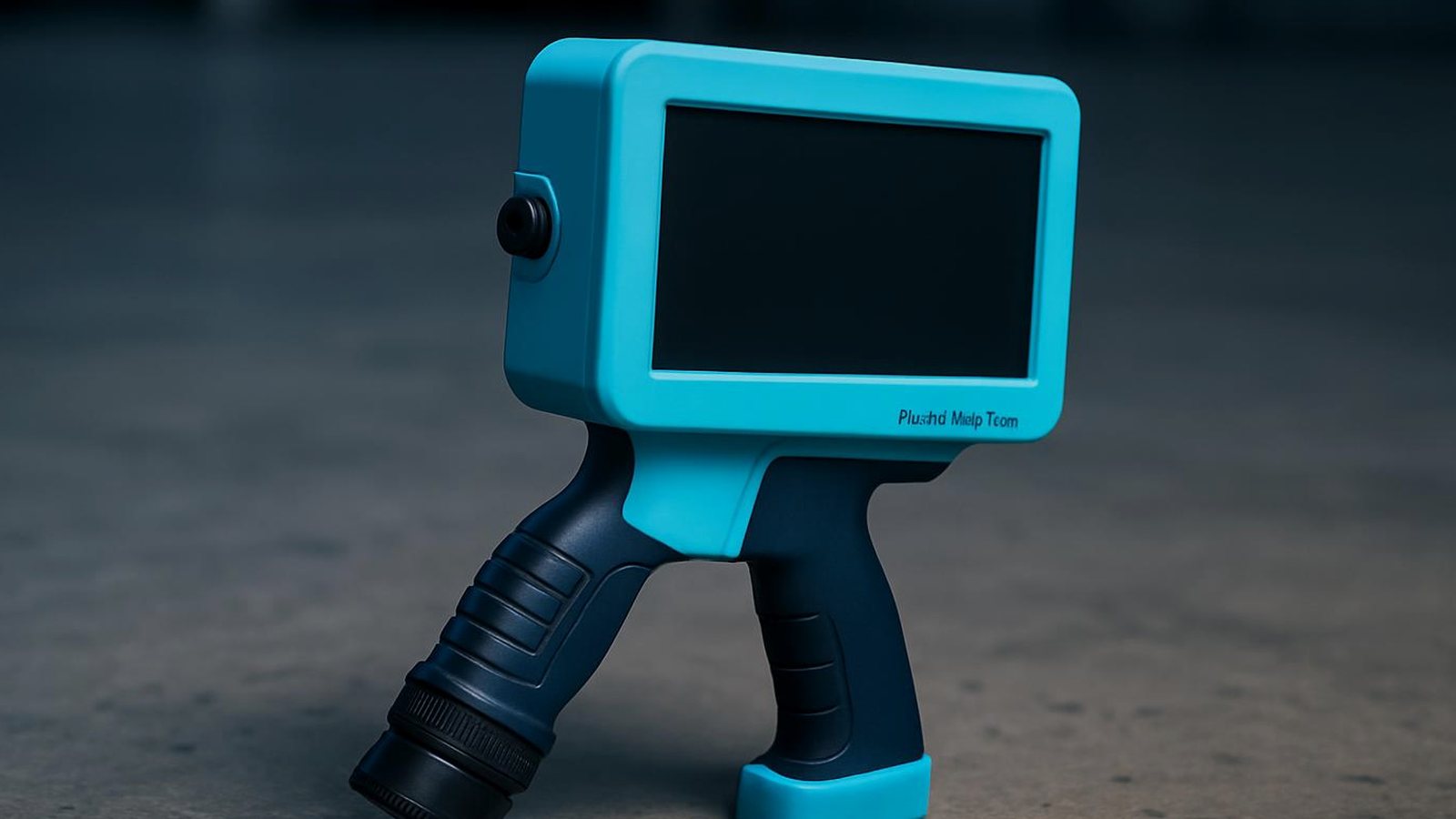
Pharma Lot solves lot and expiry code marking for smaller lines, mobile benches, and walk-up stations where fixed coders cannot keep up. Its job is to get quick, legible marks onto cartons, sleeves, and pouches, especially when you do not run a full automated line. The process is made for jobs where hygiene, accuracy, and quiet operation matter, Midrand clean rooms, Isando pharma yards, or a chilly Bloemfontein secondary pack line.
It is not built for 24-hour continuous print on deep freeze pallets or oily steel drums. If your main need is bulk crate marking in a fruit shed or heavy timber walkways, look instead at Fields or the main Devices page to match device to field.
You load your template and clip in a water-based cartridge that will not foul up a clean bay. Confirm the print head is clear, no dried ink, no residue. Wipe down with a lint-free cloth. You walk your set path, marking cartons before the noise and movement pick up or before next shift swaps out the bench. After marking the first clean sample, take a photo. This is your proof before cases move to dispatch and it stops confusion when template changes are rushed.
If cartons change midway, log the new walk height, do not trust memory in a busy aisle. Every operator gets a check card and short care note in the commissioning pack. The whole idea is to reduce slip-ups: smudged marks in winter near Polokwane, faint prints thanks to low-wattage back-up, or a missing code when the bakkie is already loaded.
A small medical exporter in Benoni gets a mix of cartons from three suppliers. During a normal mid-week shift, the team leader loads the standard lot/expiry template and makes sure the water-based ink cartridge is in and primed. After a quick wipe of the head, the operator prints sample marks on the new carton type. They photograph the first clean mark and save it, then get going along the agreed walk path to hit all required cartons.
Part way through, a new supplier's box arrives with a glossier finish. The operator checks if the mark is holding or smearing. They record the walk height and cartridge used in the log (kept above the pack bench). By the end of the shift, every marked box passes a spot check with the care card, and if the template needs to change, operators grab the new one from the short stack, not a thick manual. If a mark fails, it gets flagged and recoded before dispatch.
When you send a message through our contact form, a short outline of your setup will help us help you. You do not need a fancy pitch, just what matters to the result on your floor. We ask about substrate type, target walk speed, cartridge already tried (if any), and where you want to mark. With those details we match you to process notes or suggest tweaks for lot codes.
For more device and cartridge options, use Pharma Lot or see Cartridges for ink details. If your shift needs template locks or secondary fields, check Codes notes or Fields and mention this in your mail.
Skipping the first good mark photo often means scrambling for proof or re-marking cartons after dispatch. Do not swap cartons or substrates mid-shift without checking pressure and template, the wrong setting smears marks or wastes time with recoding. Operators sometimes skip a head wipe, leading to blocked nozzles, make the quick clean standard before each batch.
Assume nothing about ink behaviour. Humidity from coastal air, winter static or Highveld dust all affect mark quality. If unsure, ask us for a bay sketch or short test note. Pharma Lot runs quiet and light, but process discipline matters as much as clean ink.
| Ink / cartridge | Clean-room friendly water-based |
|---|---|
| Print / walk | 12.7 mm · template lock |
| Power | USB-C · low-noise |
Verified Google reviews