Field
Practical coding for dairy crate loops, designed for the real movements of South African returnable crate fleets. Durable codes, reliable routines, and plain answers for shifting shifts.
Use our contact form with the crate plastic and target walk.
Dairy crate loops are the routes that returnable plastic crates travel between dairies, depots, and retailers. Each crate picks up labels, marks, and batch codes, sometimes smudged, sometimes missing entirely after a busy morning. When crates move from Free State to Gauteng, then Durban, you need marks that survive cleaning, loading, and handling. Portable coding suits teams that prepare, dispatch, or collect returnable crates, along with producers, pool managers, and third-party drivers. Teams that have tried fixed coders often find them too slow or too far from the van. If you only send out sealed packs or never get crates back to your own floor, this routine may not suit your operation.
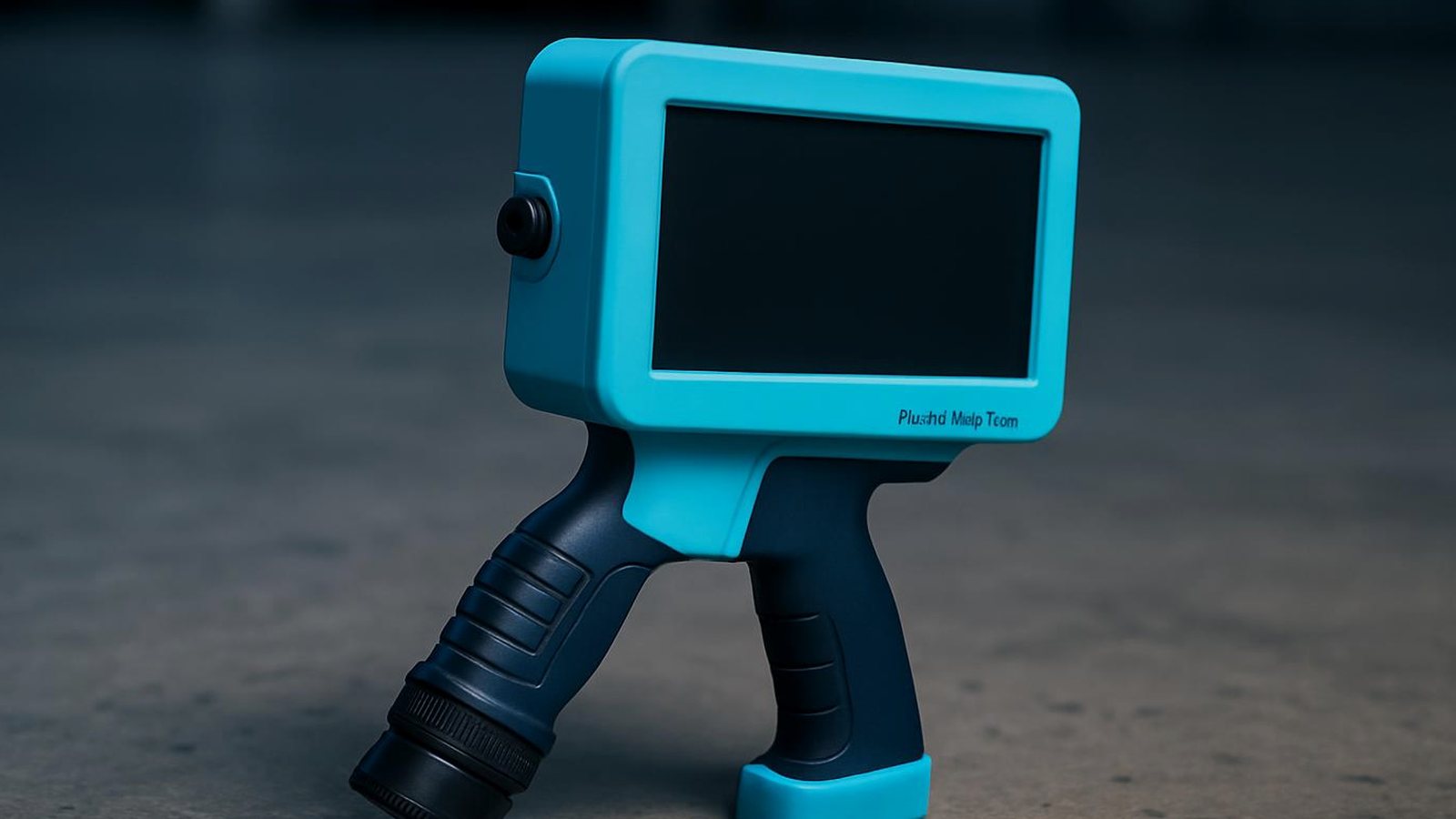
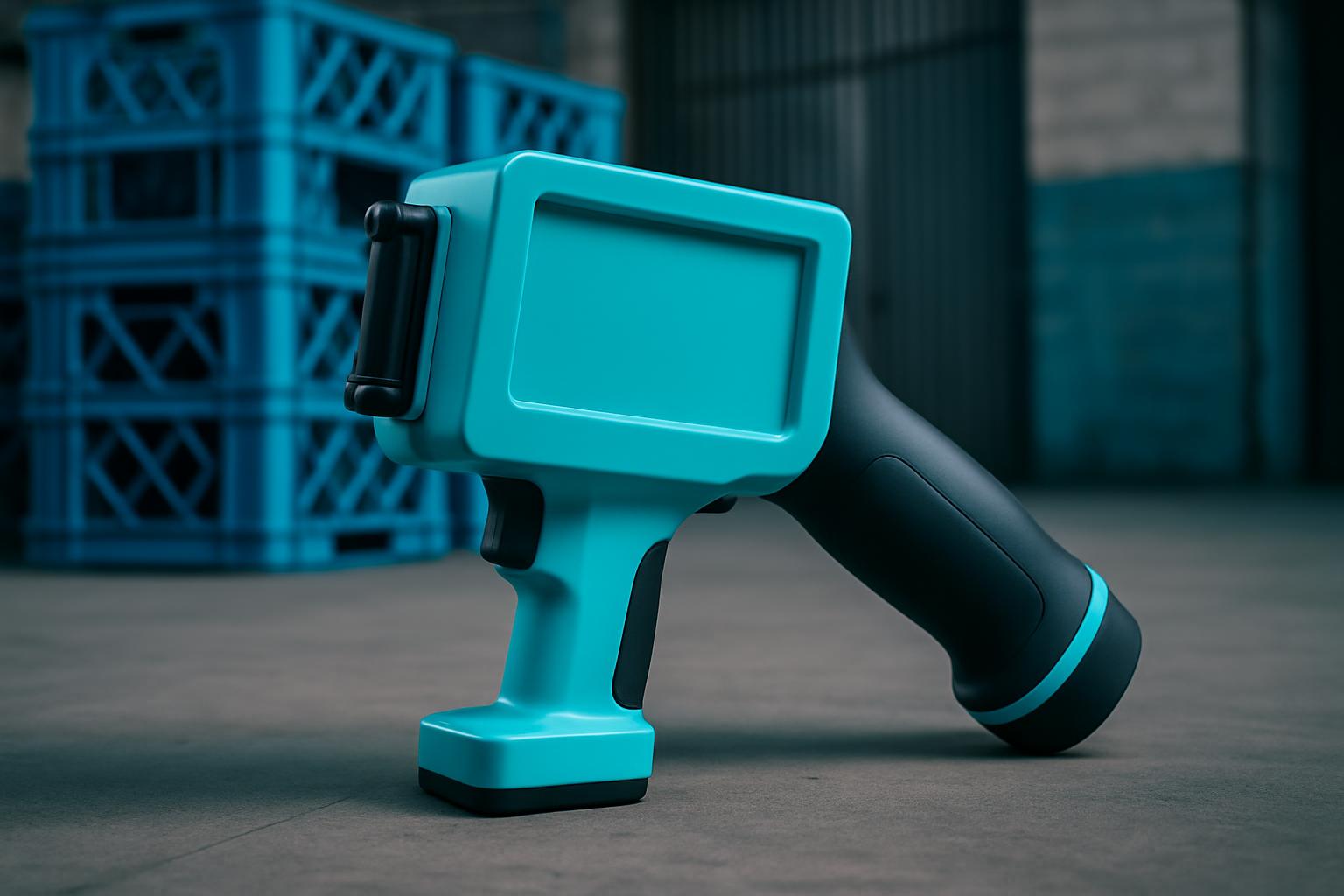
South African dairy yards run hot and cold, with Highveld dust or coastal condensation making coding tricky. Permanent lines with mounted coders struggle when operators have to split crates by route, batch, or factory door. With the FieldPath Mini in your hands, a single operator can code at the loading bay, in the truck, or right at the dispatch gate. Power blips or power-cut windows are no problem, as the device is battery-powered and ready for a quick cycle. Our system keeps things consistent, every crate gets its mark, and the next operator sees the right code, even when teams change shifts or locations.
We run a five-day checklist to avoid the missing mark that sends a crate back or gets it stuck at a gate. On day one, define both the substrate (crate surface) and the walk path, normally the circuit your crates travel. Day two, capture the first working sample and pin it to your check card. On day three and four, check the cartridge and print template, making sure codes stay readable after cleaning or weather. Day four is also when you choose UV or cold ink if needed, especially if crates see outdoor holding or freezer storage. Day five, review mistakes or unmarked crates, sometimes a different handheld fits better. If a power cut hits, combine checks in one power window, but never skip them in favour of pretty crate photos.
Sticking to this method avoids late corrections and keeps your codes consistent for municipal, retail, or internal audits. If a handoff is needed, showrooms from Clearwater to Brookhaven can pick up your checklist and carry on.
A Gauteng dairy has daily runs to Polokwane, with crates returned from three major retailers. The operator uses the FieldPath Mini by the loading bay, marking each crate after cleaning but before stacking. After the first round, the operator photographs a marked crate and pins the sample to the check card. By midweek during a round of power cuts, cartridge and template checks are squeezed into a single daylight shift. UV ink is picked for outdoor storage crates, one batch missed the check, but a quick review on day five catches it. The field card is handed to the next shift; when a new operator takes over, she quickly sees which codes and crates need attention. This process keeps codes clear from the dairy’s door to the retailer’s cold store and back.
To help us guide you, send a message through our contact form describing your crate surface and its movement, where it starts, gets marked, and ends the week. Include any specific wash routines or storage conditions (such as freezer, covered shed, or open yard). We will point you to the correct device and supply a codes note that matches your terms, so your team’s language stays consistent. You do not need to write a long case history, bullet points work well.
Common pitfalls include relying on memory, skipping checklists when the shift gets loud, or combining the checklist with marketing images. The biggest field failures happen when check cards are not printed, or exceptions are not logged right after the issue. If you’re uncertain or a crate material feels off, our team can suggest a trial mark system or connect you to nearby FieldPath Mini details or codes notes that match your routine.
Verified Google reviews