Field
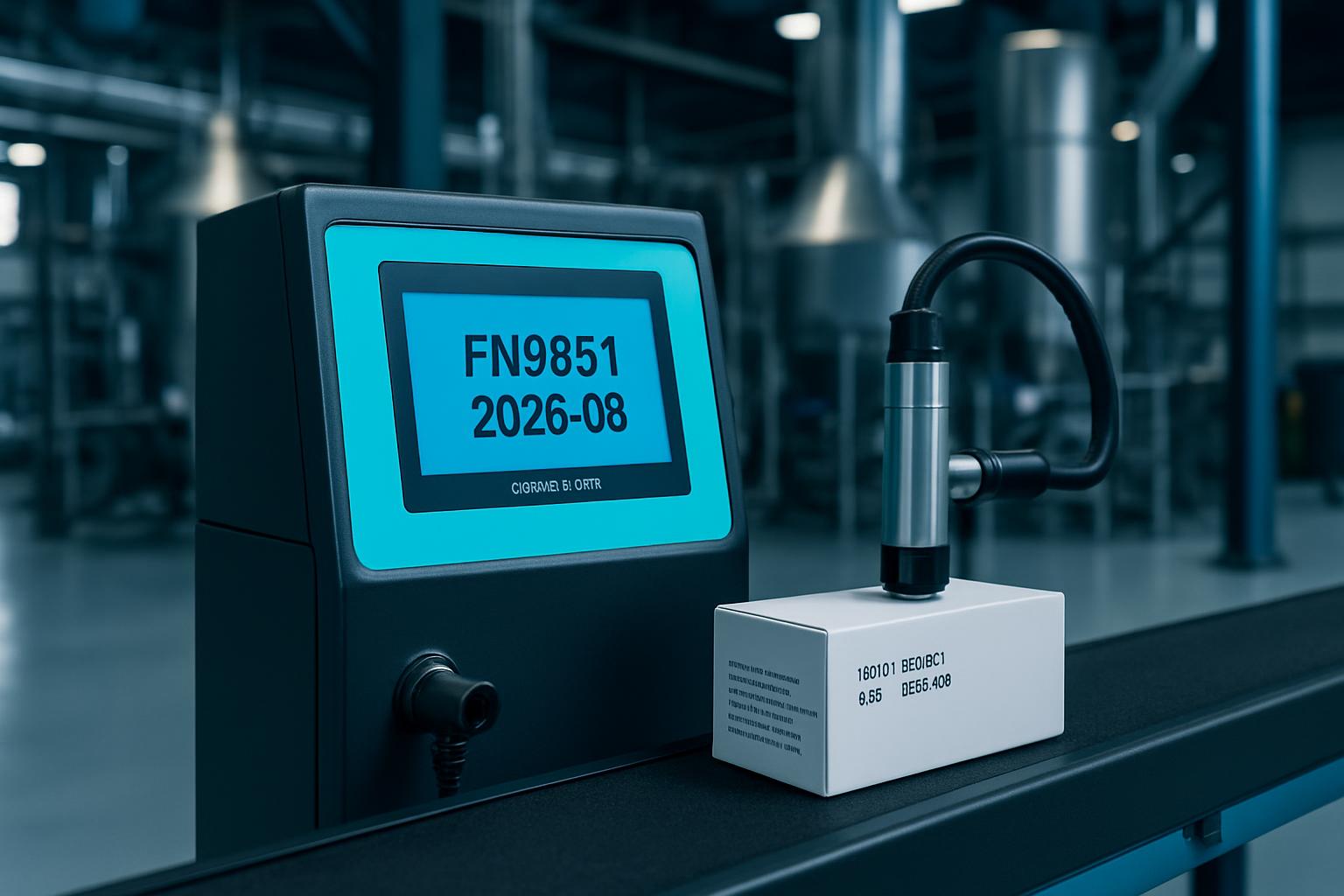
Lot and expiry marks on secondary pharmaceutical packs need quiet, repeatable templates. We lay out a checklist-driven process for teams who handle batch coding beyond the main production line.
Use our contact form with the secondary pack board and target walk.
Secondary pack coding means marking cartons, outers or sleeves that hold finished pharmaceutical products, not the primary bottle or blister. In South African sites, this typically covers grouped SKUs staged for warehousing or dispatch. It suits teams with variable batch runs and stock that might be consolidated for the morning truck, not locked in by a fixed coder at the filling lane. Mobile teams at distribution centres, temp pack rooms, or last-minute batch splits are common candidates.
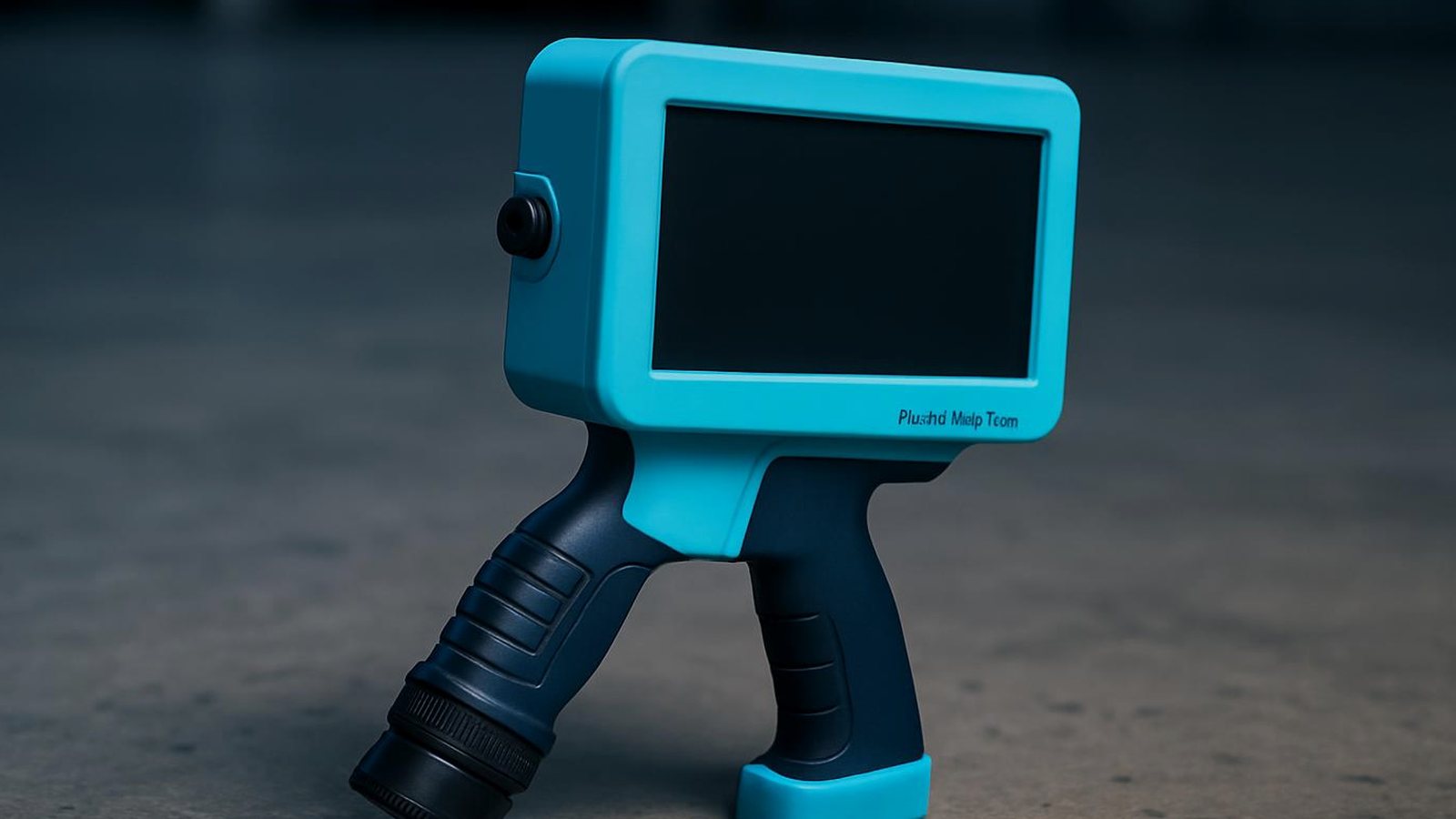
If your packs move between humidity zones or face Highveld dust, or if outdoor handling is part of the story, coding reliability matters. Fixed inkjet or laser coders can leave gaps when lines stop or packs shift mid-order. A handheld approach like the Pharma Lot keeps your marks and records flexible. We do not suggest this field for bottle-by-bottle coding on the line or for high-speed, unbroken runs with deep automation.
A typical week begins by recording the substrate material and the route the packs follow, then pairing those with a primary device, usually the Pharma Lot, for batch marks. Each team member should know their role on the checklist, even if an afternoon power cut means one operator runs the walk in a tight window. We recommend photographing the first successful mark instead of waiting for the marketing photo, and pinning a field card somewhere visible.
South African teams often feel pressured to skip substrate checks or the first proof mark, leading to missing or unreadable codes that show up at the gate. If you compress steps because the power dips, protect the checklist and re-check ink choice rather than fuss over product shots. The checklist keeps lot, expiry and operator notes repeatable across shifts and sites.
A pharma packing crew receives three mixed SKUs on a morning from Olifantsfontein. Boxes are different board grades; humidity is still up from a late storm. The foreman names the substrate through our contact form, noting the sort route and asking for a current codes note. After the first test mark, they print the walk summary and pin it by the door. Before shifting focus to van loading, the operator checks that expiry and lot fields match the codes note and that the ink holds up in the bay’s light.
By week's end, they log an exception: one sleeve slipped under the stack, missed the mark, but it's caught at the daily field review. No guessing, no lost time on marketing photos, and a clear trail if anything needs reshooting. This discipline keeps batch work tight, even with variable shifts or quick runs.
Before emailing for field advice or support, make sure you complete these on the floor. A checklist lets us give you straight answers on device selection when you send through details.
Send us a clear photo of your substrate and tell us where the packs move after coding, cold room, warehouse, van, or dispatch shelf. Include the city name and which checklist items are already ‘green’. If your field card, first mark photo or codes note is missing, mention it in your mail. We would rather patch a half-finished set than get a long description with too little data. If you need to run UV-reactive or cold-setting ink, warn us early so we can confirm cartridge stock and settings.
Showroom teams at Clearwater, Cresta, Pavilion, Tyger Valley, Baywest, Mimosa, Riverside, and Brookhaven can keep your workflow moving, and your notes in order, if you hand over what was done and what is pending. Always separate the checklist (used on the floor) from anything staged for catalogues or launch images.
Most failures trace back to poor substrate checks, skipped first marks, or letting pretty photos get in the way of the real checklist. If you miss one step early, batch traceability suffers, and exceptions pile up by Friday. Keep the checklist close, run ink tests (especially with changing weather), and update your codes note. When in doubt, ask us at our contact form before batch work begins. You can browse devices or codes notes for supporting details if your run is unusual. A practical approach, not paperwork for its own sake, keeps the pack line moving and SARS paperwork off your Saturday.
Verified Google reviews