Bloemfontein, Free State
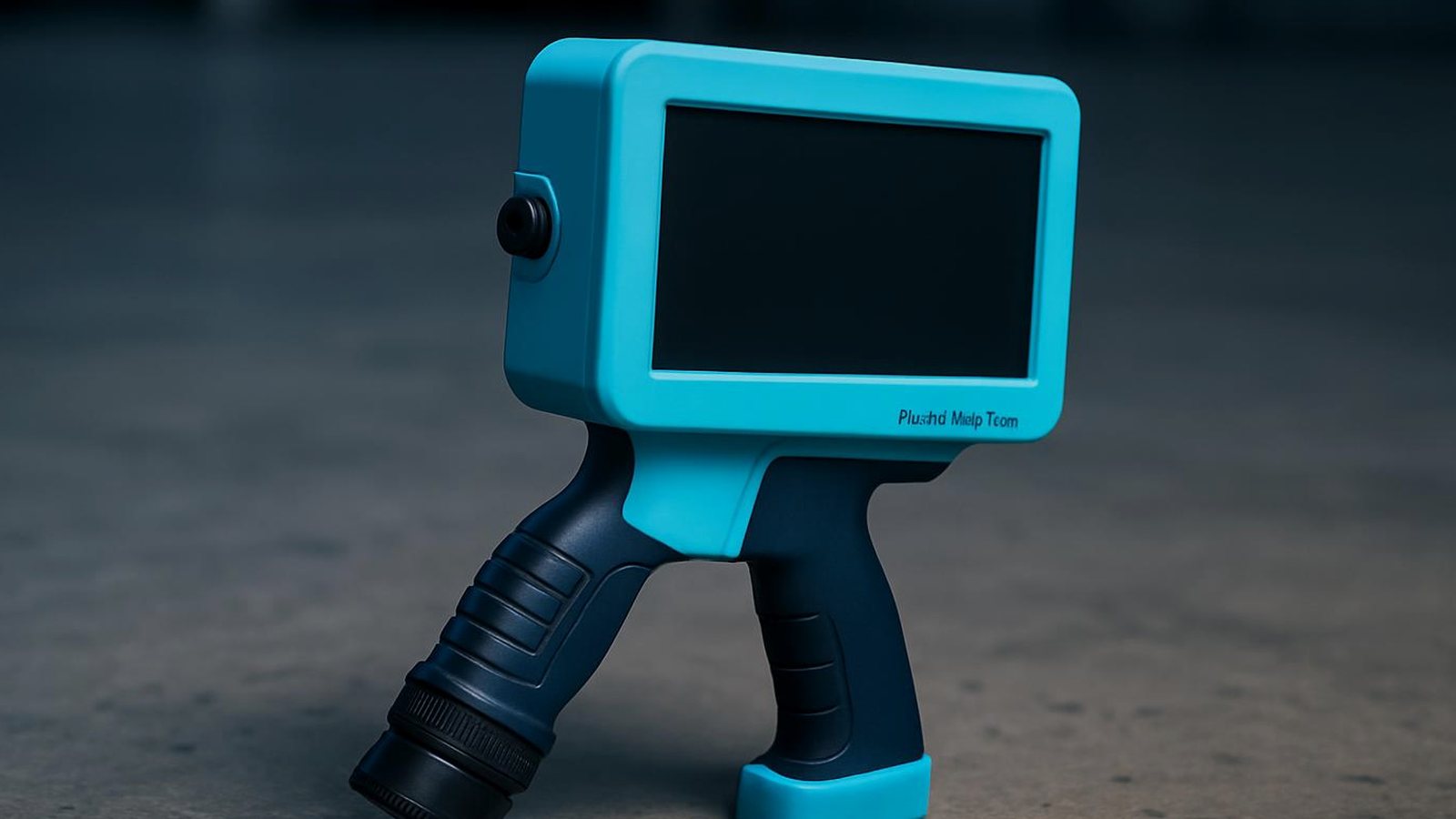
A Bloemfontein crew used a Promo Wand to test on-the-fly colour swaps for weekend promo packs. Here’s how we handled the sequence, challenges, and best practice.

Ask for a matching sequence through the contact form.
A local packer needed a fast, portable way to run promo packs with changing ink colours over a weekend. Fixed line coders could not keep pace with short marketing runs, nor reach the tent setup outside the plant. We supplied one Promo Wand handheld printer, set for quick cartridge swaps and spot checks. Every step was kept tight: one primary device, a single check card, and a marked cartridge note left with the site on handover. This approach suits operators who want focused, repeatable test runs on unusual surfaces or in pop-up bays, not those after permanent line installs.
Promo Wands and similar portable coders work best for short runs, mobile teams, or when order requirements change at the last minute. Event sites, weekend pop-ups, and small warehouses with varied stock profiles stand to benefit. This method does not fit high-volume, 24/7 lines or facilities where every code must sync with an automated ERP feed. If your line expects one code, one template, and zero variation, a fixed coder will serve better. For export, batch splitting, or frequent field swaps, a handheld wins on time and flexibility.
We confirm the substrate and tent setup before starting, whether it’s corrugate, shrink, or coated cartons. The device and cartridge are locked for the first run, and the site nominates a single owner for the bay’s check card. Photos of first good marks go to the group WhatsApp and are backed up to our office email for records. We do not add new substrates halfway through. If a power cut or rain interrupts, we store walk-height checks or template changes for the next available slot, not as a rushed extra.
Most South African sites face challenges like Highveld dust, overnight cold snaps, or mid-morning condensation if the tent is pitched near loading bays. Our team keeps UV or cold ink on hand for shifts running through midday or after a storm. Sites in Bloem, Gqeberha, or Mbombela all report similar issues, scrap and mistakes climb when second substrates or rushed swaps creep in before the main check is done.
Day one, the operator locks in one Promo Wand and the required cartridge. Day two, after setup, the first clean mark is photographed and pinned as the bay’s reference. Day three, walk-height and template alignment are checked twice, once slow, once at normal pace, to catch skips or ink dropouts. Day four, the operator tests outdoor or cold ink if required by the site’s shift timing. Day five, any scrap is logged with the coding lead, with a showroom or Midrand follow-up booked if anything remains unresolved. Exceptions, like unexpected rain or a carton change, are logged in one line and do not become mid-run add-ons. The process is deliberate, with each step traceable if another shift takes over.
If your setup looks like the Bloemfontein promo tent, short runs, irregular spaces, or quick swapouts, prepare these details for a clear answer. Send a message through our contact form with your city and the substrate, and mention 'Bloem promo tent' in the subject. This helps us avoid repeating early steps and keeps the advice practical. Expect a short, focused reply instead of a dense how-to. For other case studies in variable, mobile, or outdoor coding, see Projects.
Sites that rush substrate swaps or skip the check card step usually see higher scrap and confusion between shifts. Coastal crews should build in time for condensation wipes, even with dry-looking cartons. Shared fleets (where devices are moved between bays) need template loads documented, or fonts change mid-shift. Export bands should always test mark height from forklift eye-level before shipping. The best results come from keeping the checklist lean and steps visible to everyone on the shift, rather than chasing too many variables. For further examples, see the Durban cold store, Midrand aisle rollout, or East London coastal packs runs.
Verified Google reviews