Tzaneen, Limpopo
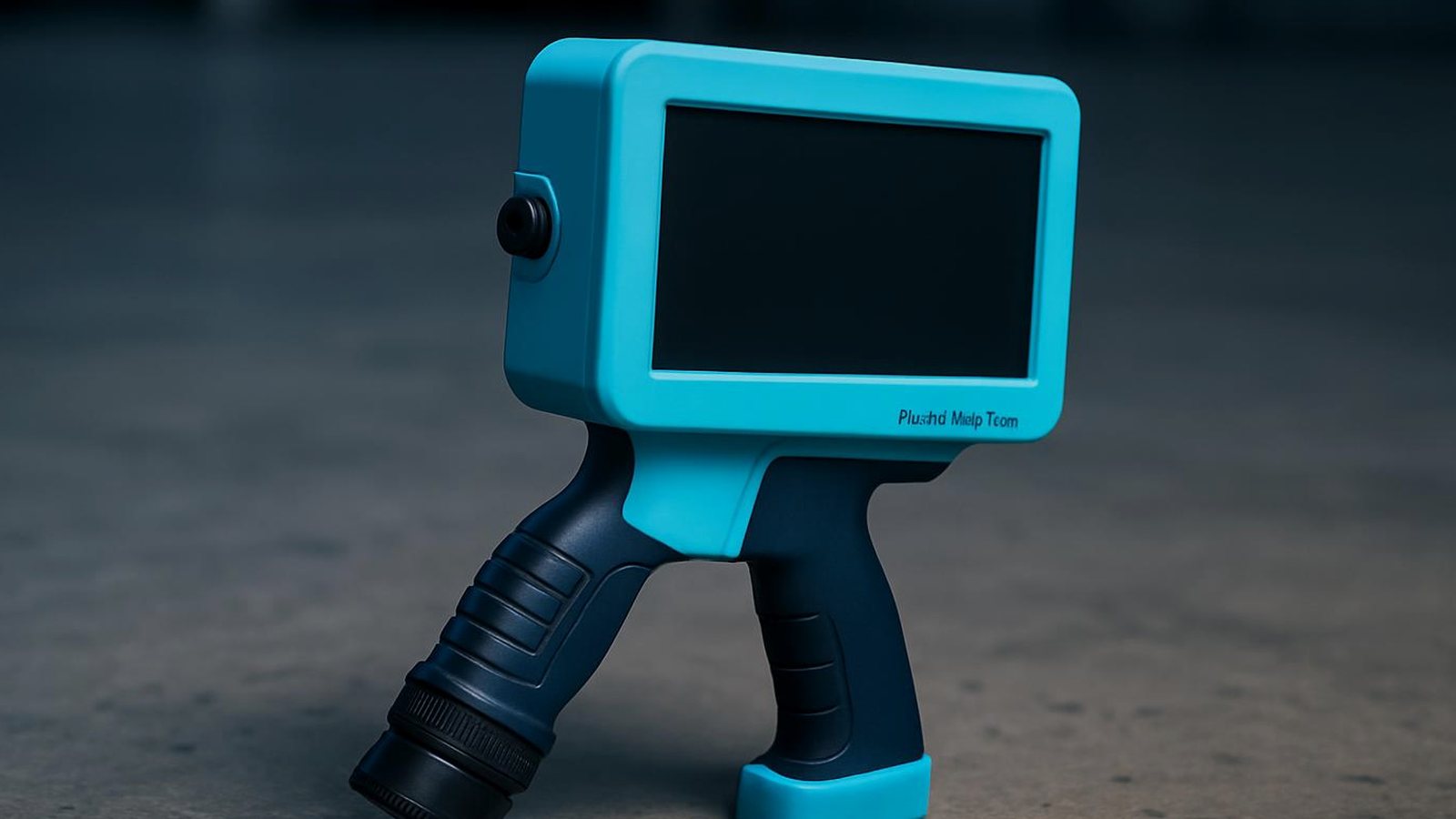
The FieldPath Mini brought clear, portable coding to a busy Tzaneen citrus crate yard, running crate marks before the fruit even reached the packhouse. Here we detail what worked, what to avoid, and how to prep your own sequence.
Ask for a matching sequence through the contact form.
Tzaneen’s citrus crate yards can see hundreds of crates looped through open air before reaching the packhouse doors. Fixed coders stay clean inside but crate marks often need to land outside, between sun and warehouse. With a mobile device, one operator can mark crates across the yard without shifting lines or needing extra cables. Still, what suits a Marmite factory or a city warehouse will not always suit a Limpopo farm field. Here, walk paths get muddy or dusty and the line snags are more about weather, shifting staff, or last-minute substrate swaps. That means each coding plan needs to lock to local variables, not just a generic process.
A handheld printer fits for citrus packers and yard teams that must move fast on crate loops, or when crates pile up outside before loading. Operators who like checklists, and can pin down a single substrate or crate type per shift, get the most from this method. Teams with three or more staff rotating on one station benefit if they keep a clear exception card and one main cartridge. This approach does not suit anyone who wants to code five different substrates in the same hour, or who never photographs their first test mark. If your yard shifts often between plastic, wood, and cardboard, a more advanced device with broad cartridge support may fit better.
At the Tzaneen site, the brief started simple: one FieldPath Mini, one check card, and one cartridge. The team walked the crate route, confirmed every substrate, and took photos before any printing began. The first mark went to the coding lead’s WhatsApp and then into the project folder. Each shift named a card owner so exceptions never went missing at shift change. The team refused to extend the job midway when a second substrate appeared, waiting for a new checklist to avoid rushed errors. Each day added one control: device locking, template checks, cartridge type, and finally a review of scrap with the lead. By the end, the marks stayed readable, and fewer crates went to waste.
Day one: operator pairs the FieldPath Mini with the correct cartridge, locks both, and walks the line for substrate checks. Day two: first mark is photographed, shared in the plant WhatsApp, and check card is pinned. Day three: operator checks mark height and template twice as crate speed increases. Day four: team decides if UV or cold ink is needed, swapping only if conditions demand. Day five: review any scrap or missed crates with the lead, and only book a showroom or Midrand follow-up if marks missed the standard.
Sites that skipped day two checks saw most waste when heat, high humidity, or template swaps cropped up. The yards that stuck to the sequence and kept communication simple had fewer missed marks and less confusion on the crate path.
If your operation looks like Tzaneen’s, outdoor crate loops, one main crate type, and staff ready to control the sequence, send a message through our contact form. Attach a photo of your typical substrate and tell us your city or town. Mention “Limpopo crate yard” in your subject line so the team can match your needs without restarting the checklist.
Avoid sending five substrate samples or vague job descriptions. The leaner your first email, the easier it is for us to suggest a device and a sequence from our project examples. Do not count on printing across every box or bag, keep the first scope specific and save time for exceptions.
Verified Google reviews