Gqeberha, Eastern Cape
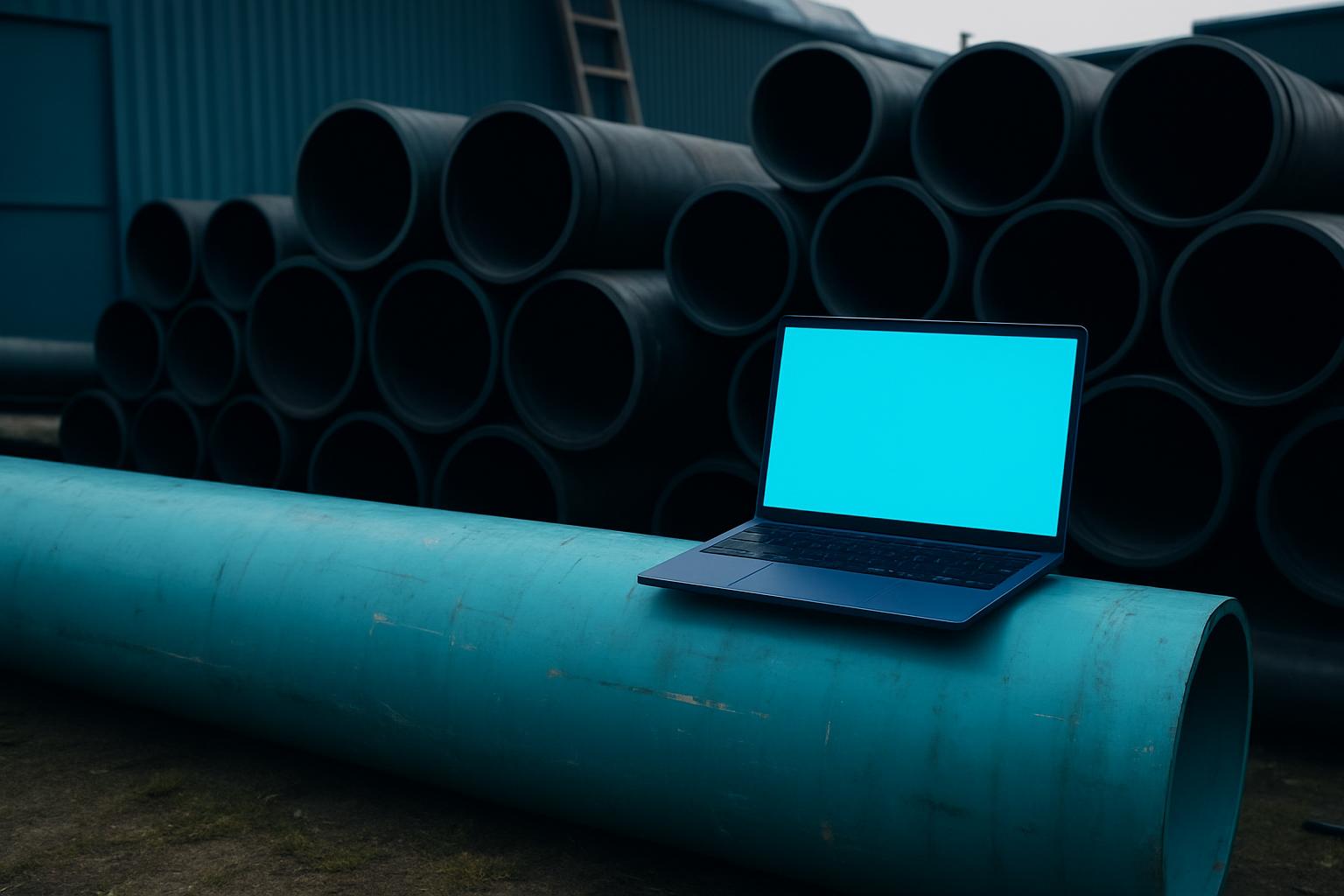
Pipe ends in coastal yards need clean, readable marks that handle oil and damp. Our Gqeberha project kept the mark crisp with a simple walk-through and tight scope.
Ask for a matching sequence through the contact form.
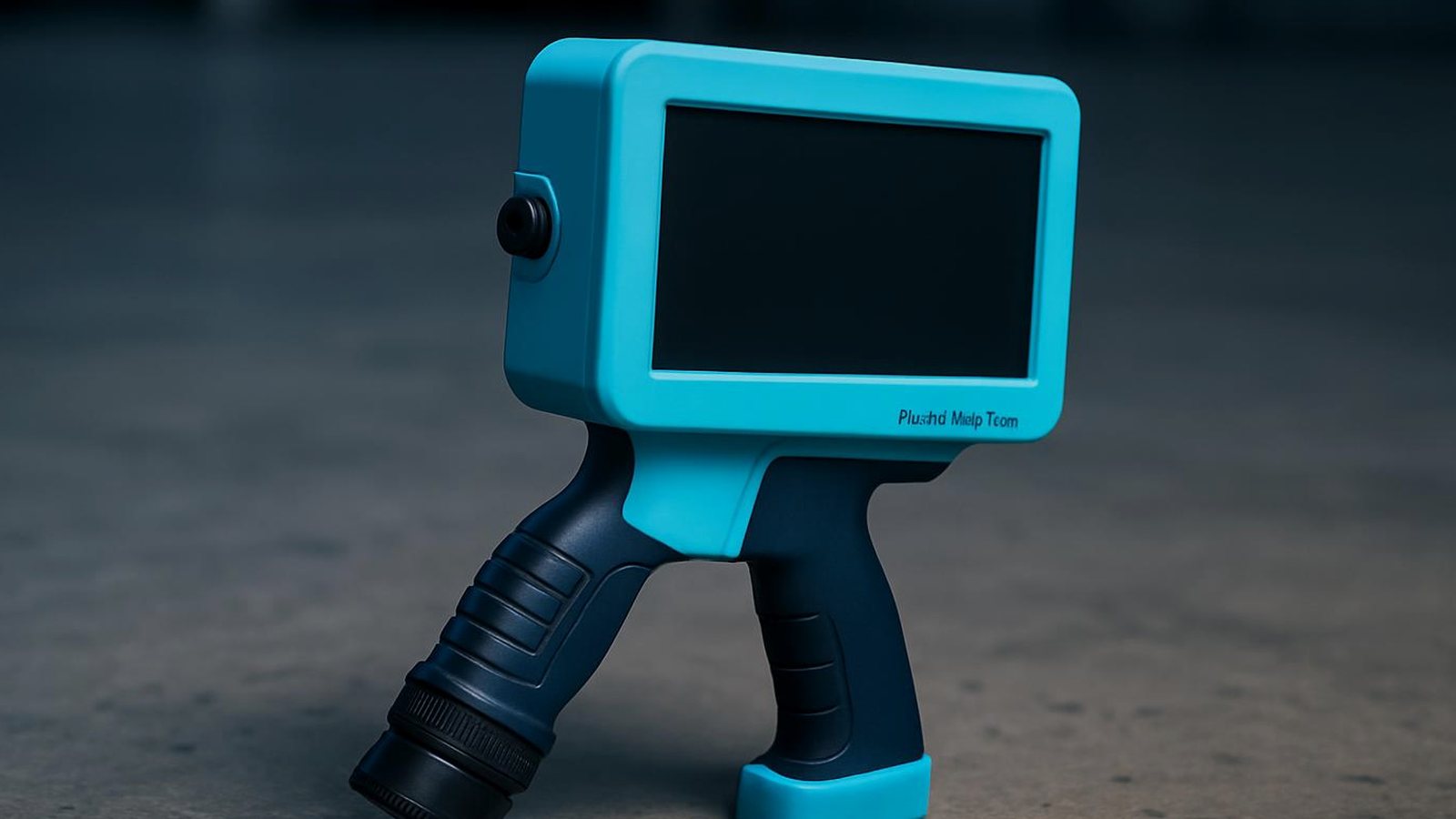
Gqeberha’s pipe storage yards deal with coastal condensation, oil-wiped steel, and shifting crews. For this job, the site needed clear marks on steel pipe ends ready for export, nothing fussy or overcomplicated. The coding lead chose a SteelMark Edge handheld printer for its reliable output on oil-prepped pipe ends. The brief was strict: one portable device, a check card pinned in the bay, and a cartridge labelled for site use after the team left. There were no add-ons or fancy upgrades, just a straight answer to a regular problem.
This setup suits operational managers, floor leads, or workshop crews who want a repeatable coding sequence without buying complex fixed units. If your bay rotates teams or works round-the-clock, it helps keep checklists tight and exceptions clear. It is not for those who want a fully automated or centralised coding line, this is for yards, mobile teams, and fast changes, where the walk path shifts as the stock moves. If you’re weighing up portable devices for other challenging substrates or conditions, browse our Projects page for more local examples.
The project rolled out in five steps, tailored to the pipe yard’s conditions. First, the operator and coding lead locked the SteelMark Edge and its ink cartridge on day one, doing a few dry runs on test pieces. By day two, the first successful mark on an oil-wiped pipe was photographed and the check card pinned in the yard for all shifts. Walk-height and template checks happened twice on day three, so marks were visible from the forklift aisle and survived a quick weather change.
Outdoor ink choices came on day four, UV for sunny bays, cold ink for early-morning rounds. On day five, the team reviewed any rejected pieces with the operator, noting every exception on a single line. A follow-up at the Midrand base or city showroom was only booked if anything stayed incomplete. This plan avoided the headaches that come with expanding the scope midweek, a second substrate or new area was always booked as a separate pass, not lumped in under pressure.
Sites that took early photos and kept the field narrow marked fewer dud pieces. Pinned check cards let a new shift run quickly through the same steps. Coastal condensation tips made a real difference, even if the carton felt dry, extra oil wipe and a fresh cloth averted most rework. When fleets of handheld printers were shared, font templates had to be bay-specific or the night shift would tinker with settings and confuse the next crew. Export runs needed taller marks for forklift loaders, not just close-in walk checks.
Reports sent to the plant’s WhatsApp and directly through our contact form meant no confusion about who logged what. A short email with a single photo cut through most substrate debates, and it kept the project folder tidy if anyone needed a follow-up.
If you want a similar sequence, gather three things before using our contact form. First, know your city and substrate: is it steel, pipe, carton, or something else? Take a photo of the surface you want marked, showing both the texture and any prep (like oil wipe, powder, or paint). Have someone ready to own the bay check card if you want to keep shift handovers tight. Mention 'Gqeberha pipe yard' in your subject so we do not start from zero.
Let us know if your substrate changes often or if humidity and coastal air give you trouble, these details save time on cartridge choice. Not every substrate suits handheld printers, so a clear picture and honest surface description lets our team advise without a long back-and-forth.
Portable coding with a tight, card-based workflow fits pipe yards, crate lines, and coastal teams whose walk paths shift daily. It is ideal when a full fixed inkjet install is not practical, or when a power cut or changing teams make simple checklists essential. If you expect all marks to look identical to laser-etched codes or your contracts require multi-stage digital logs, this is not the solution, fixed units or barcode systems might suit better.
For pipe yards facing oil, condensation, or regular shift swaps, a handheld device and a pinned check card keep it honest. For more technical fields or sites tackling different surfaces, see our Devices or Fields pages to weigh up what will suit your own operation.
Verified Google reviews