Polokwane, Limpopo
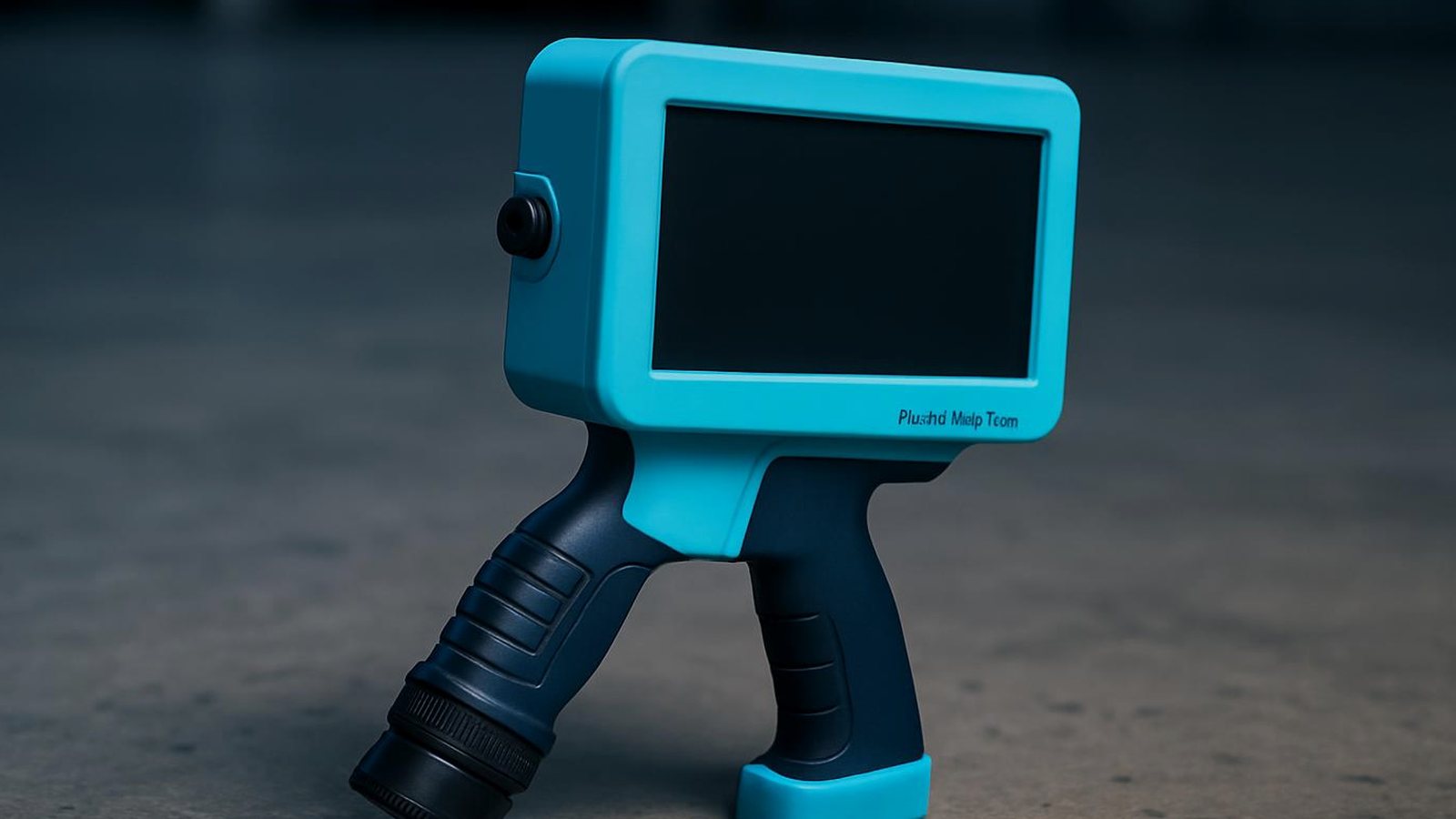
Our FieldPath Mini showed its value on Polokwane’s dairy crates. The sequence and lessons from a real loop show other teams what to expect.
Ask for a matching sequence through the contact form.
The Polokwane dairy loop put a single FieldPath Mini to work on returnable plastic dairy crates moving between a Limpopo packing floor and retailers. Portable coding needed to match crate speed, swap batches between shifts, and lock out mid-sequence errors. The brief was tight: only one device, one check card, and a written cartridge note the plant kept after we left. Photos and mark samples were shared with the plant’s WhatsApp and our own job records for full traceability.
This type of loop suits sites handling hundreds of reusable crates where labels and fixed coders cannot track every batch or handover. Highveld dust, shift handovers, and crate returns all test if a coding plan holds under real pressure.
Sites with just-in-time dispatch and visible crate rotation, like dairy, bakery, or beverage loops, find these field tests most relevant. Teams with only short-run single-use packaging or a fixed coder at every bay will not gain as much.
Packing crews, mobile teams, and operators on crate loops with shifting substrates or batch info benefit most. The Polokwane site needed to avoid errors during night shifts and keep exceptions visible to both the floor and the office. Fast-moving lines in municipal packing plants, regional cool rooms, and any floor with batch changes or crate-sharing between sites all see strong value.
If your operation works only with static cartons or never needs shift changes, a portable field device is overkill. However, for any business with delivery vans, returnable bins, or pressure to code before crates load out, this method saves time and lost trace info.
The trial ran over five working days. Day one, we locked the device and ink cartridge and assigned a bay card owner. Day two, the first good mark was photographed and the check card pinned for all shifts. Day three, the team ran walk-height and template checks twice to ensure consistency. Day four, the crew confirmed UV or cold ink, depending on outdoor or chill-room needs. Day five, scrap and exceptions were reviewed with the coding lead, and a follow-up was scheduled only for unresolved issues.
Scope discipline made the loop work. We did not expand to new substrates in the middle of the project. If a new crate type appeared, it became a new field path the next week, never a rushed add-on. Lessons and checks were logged in brief, specific lines, not full-page reports. Most weeks, a follow-up at our showrooms or in Midrand only happened if something was left unfinished.
A Monday morning crate batch arrived from the cooler. The operator checked substrate cleanliness, wiped condensation, and fitted a new cartridge. The check card sat at eye-level where both day and night shifts could see template settings. As crate batches were marked, the team photographed the first clear print, sent it to the group, and moved empty crates back to the return stack.
A second crate type surfaced mid-week. Instead of rushing a template swap, the lead logged it as a new field path for the following week, keeping the original checklist intact. At week's end, only crates with clean, readable marks left for dispatch, and any exceptions or smudges were briefed with the lead for review.
Most scrap came from ignoring walk-height checks or skipping day-two mark photos. Coastal humidity, sudden template swaps, or missing check card ownership caused errors and repacking. Shared device fleets need extra care with template management, and export crates need marks visible from a forklift.
If you want to model your site after the Polokwane dairy loop, prepare a clear photo of your crate or bin, list your main substrates, and note any daily temperature swings or handover routines. Send a message through our contact form with your city and crate count, and mention 'Polokwane dairy loop' in your subject. This ensures we do not restart from zero and can recommend the right device or field sequence for your crew.
Verified Google reviews