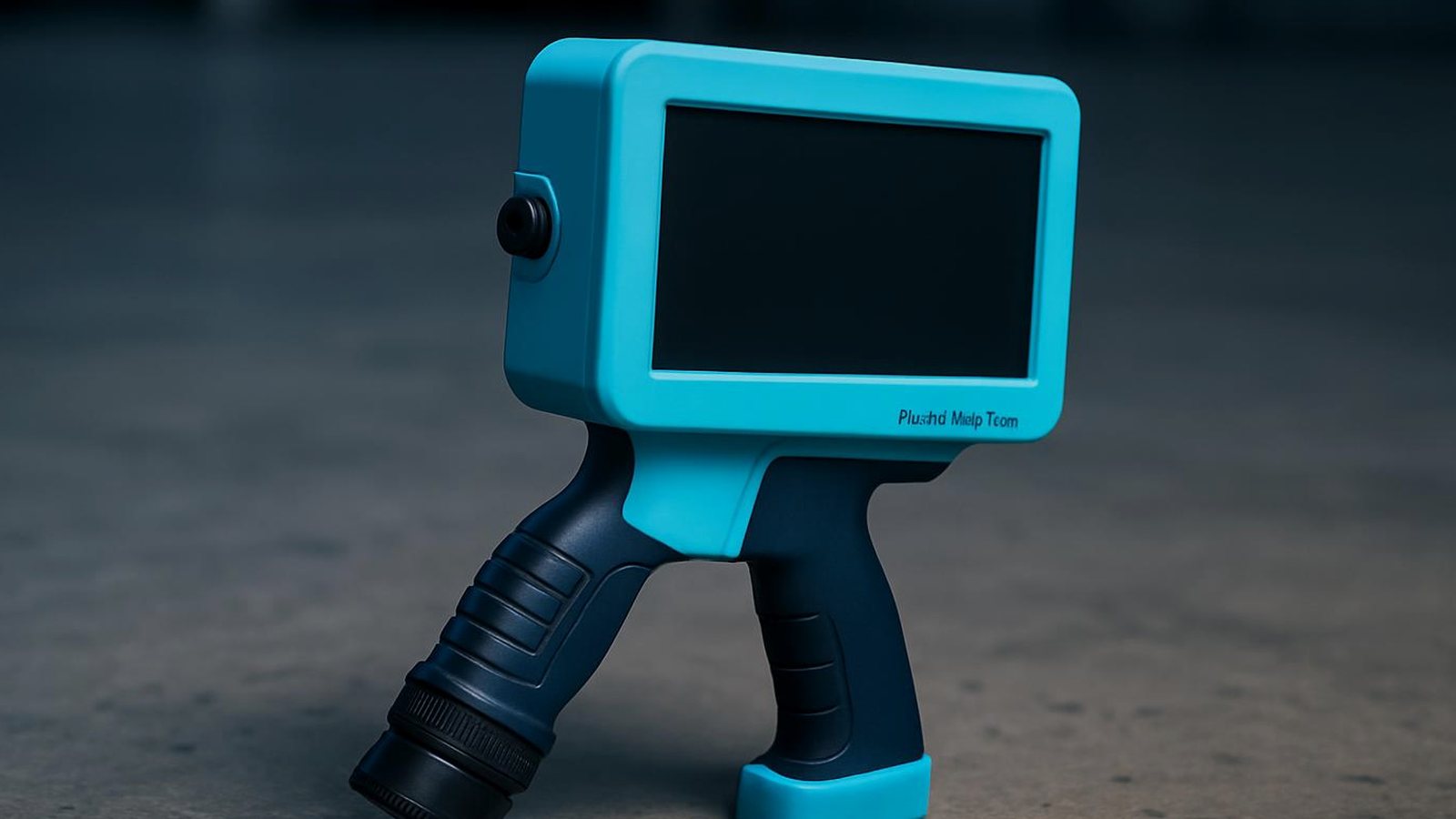
Resource
A well-timed battery swap keeps your MarkMate Pro moving across aisles without losing marks, especially in busy Gauteng or coastal pack lines. Use this note on your floor for clear, consistent rotation.
The MarkMate Pro battery swap note is a simple resource for operators who need to keep printing during long aisle walks or mobile SKU coding. When your MarkMate Pro leaves its charging bay and covers metres of product, a flat battery halts everything, often with a queue forming in the lane. Battery swap note’s been shaped by feedback from Highveld operators, coastal dispatch crews, and mobile field teams under power cuts.
This routine is best for line leaders, supervisors, and mobile staff who use a single unit for extended marking routes, such as those in warehouses from Germiston to Gqeberha. It is less suited to high-volume lines with fixed coders or when the printer can always return to a charger after every round.
On a typical floor, the operator prints this note and pins it at the point where battery change decisions are made, usually near a field rack or aisle marker. The first time you get a sharp, legible mark after swapping in a fresh battery, photograph it beside the note. This gives the next shift or visiting supervisor a visible baseline for expected performance.
When a unit leaves for its round, the operator checks the expected run time and compares it to the walk time. The swap happens before the battery icon falls below half, not when it hits red. This habit avoids losing marks when you’re furthest from the charger or in the middle of a multi-SKU cycle. Crews in humid Durban or dry Bloemfontein factories may see slightly different battery lives, so the note allows space for site-specific timings.
Battery swap notes matter most in environments with unpredictable routes, where the next load can shift timing, think van loading points, municipal warehouse lanes, or garden product yards where every crate is a different distance from base. It’s also handy when multiple operators share one MarkMate Pro between rounds, since everyone can see exactly when to change batteries without second-guessing.
This is not the right method if you already have a fixed charger at every line end, or if the MarkMate Pro never travels more than a few metres from its home bay. In those cases, the swap note is overkill.
At a distribution hub in Polokwane, a team leader prints the swap note and pins it at the aisle entrance. Each morning, they start the round with a fresh battery, mark the first box, and snap a cellphone photo. During the mid-morning rush, as staff walk crates to various dispatch bays, they swap batteries as soon as the indicator dips below halfway. The next operator glances at the pinned note and photo, checks the battery level, and heads out confident there’ll be no mid-aisle stops.
Changing batteries before the warning light means every consignment is marked, even if a sudden power-cut window forces a longer route. It also gives evidence for the QC file or when supervisors from head office visit the floor.
If you need an editable battery swap note or a version for your own quality file, send a message through our contact form. The team can supply a QMS-format file. To help us prepare it, include the device model, how many operators share the route, and whether you want the note paired with other site resources like Devices, Fields, or Codes notes.
Also mention if your floor is prone to high humidity, frequent power cuts, or other conditions that may affect battery run times. This helps tailor the note to your real shift patterns.
Many operators wait for the battery to reach minimum before swapping, leading to missed marks just as the next shipment arrives or as stock moves outdoors. Forgetting to photograph the first good mark often means no proof for supervisors chasing up missed or faint prints. Rapid battery drain on older units or after a power cut is another common complaint.
Always swap earlier than you think necessary, and keep a backup battery charged. Pin the note where everyone can see it, especially in shared or shift-operated environments.