Resource
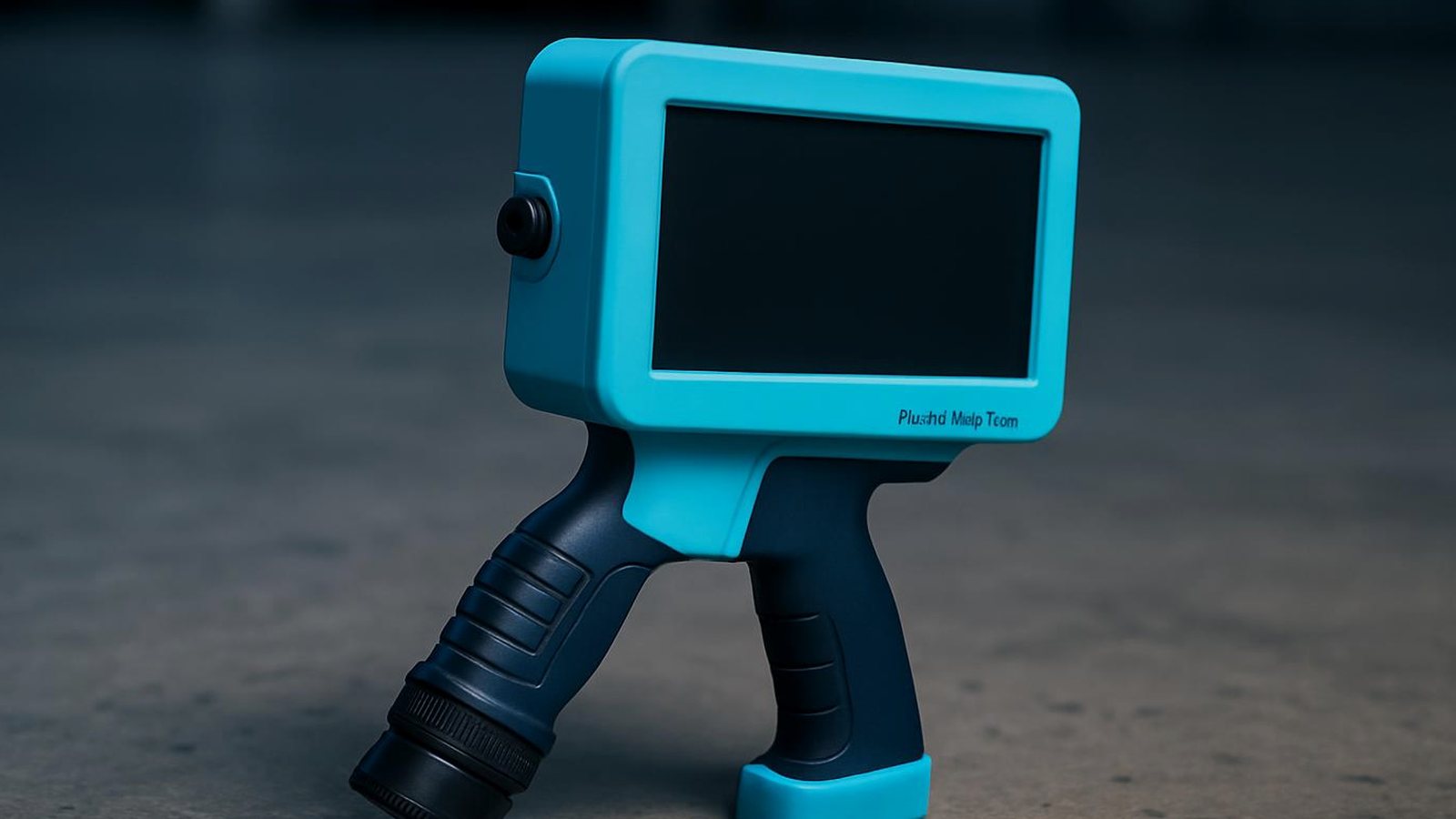
This overview explains how to use the CrateCode XL export band height guide on export freight, with tips for print rooms, QA files and crew checks.
The export band height card gives your team a fast way to check if printed codes and marks are the right size for export freight, especially when using the CrateCode XL. It is designed for packers, QA staff, and crews who work out of staging yards or warehouses where crate and carton heights can vary. It is not intended for checking every model or font, but for dialling in clear, compliant bands for lines sending goods beyond South Africa’s borders.
On most South African floors, teams print the reference card or request a QMS-ready version by using our contact form. Once printed, pin or tape the card near the coding zone. When a crew member prints the first crate or carton of the shift, they align the printed mark or band beside the card. If the mark falls within the band height reference, it is ready for QA. If not, settings get tweaked before rolling out the full batch.
Coastal depots, inland packhouses, and Gauteng export teams often use this card to avoid rejected cargo at trans-shipment or by overseas agents. The reference is especially helpful on busy days when different operators swap shifts or when power flickers during a power cut. The card avoids wasted cartons and repeat QC work.
Before you email us for a QMS (Quality Management System) file version, have your team confirm which CrateCode XL models and ink types are in use, and which export codes your buyer or logistics agent has specified. If you use more than one portable coding device, check with your print room which band size references are already in use. Tell us if you need any custom language or local terminology for your crew (for example: Afrikaans, isiZulu, or code format differences by province).
The QMS-ready card comes in PDF, sized for most warehouse printers. Attach the reference to your QA file so the auditor or team lead can print fresh copies. For general use, download the other resource cards as needed for starters, especially if you need to train new crew.
A Gqeberha fruit exporter prints the export band height card and pins it above the coding table near dispatch. The operator loads the CrateCode XL with a food-safe black ink cartridge, selects the export template, and prints a sample mark on a shipping carton. Lining the carton against the card, the operator sees the print edges match the reference band, so production can continue. The QA lead photographs this first sample mark beside the card, storing the image in the lot’s paperwork. Later, a shift change means a new operator runs a quick check before the next truck is loaded, using the same card for fast alignment.
Some teams forget to print a fresh copy of the card after cartridge swaps, which can cause confusion if old markings clash with new ink colours or fade under Highveld dust. Crews sometimes rely on memory for band sizes, but this risks export holds when shipments reach Durban or Cape Town port. If your site uses both fixed and portable coders, be sure all operators use the same height card to avoid mix-ups. Missed shift checks can lead to entire batches needing remarking.
If your crew needs the shift check card or oil wipe card to pair with export checks, these are available on our resources page. For support or a QMS version, send a message through our contact form and include your team’s needs. Our office in Germiston handles most requests for these items.