Support
Commissioning gets your portable coding fleet up and printing on day one, with no time lost to confusion or guesswork. We set up, check, and guide your team through first use.
Commissioning is for South African businesses bringing in several handheld coders at once, or setting up portable marking in a new line, warehouse, or remote depot. It suits packers, warehouses, manufacturing teams, or mobile operators who need their printers operational from day one, with no standing about. If you know how to handle your model and just need ink, spares or a quick fix, you can skip this step and tap into operator training or spares instead.
Not every team needs commissioning. If you already have experience with similar devices or if the new unit is a single replacement for an old one, you might not need the full handover. Solo operators who are comfortable loading cartridges, updating expiry dates, and fixing small snags may prefer a minimal handover by email instead.
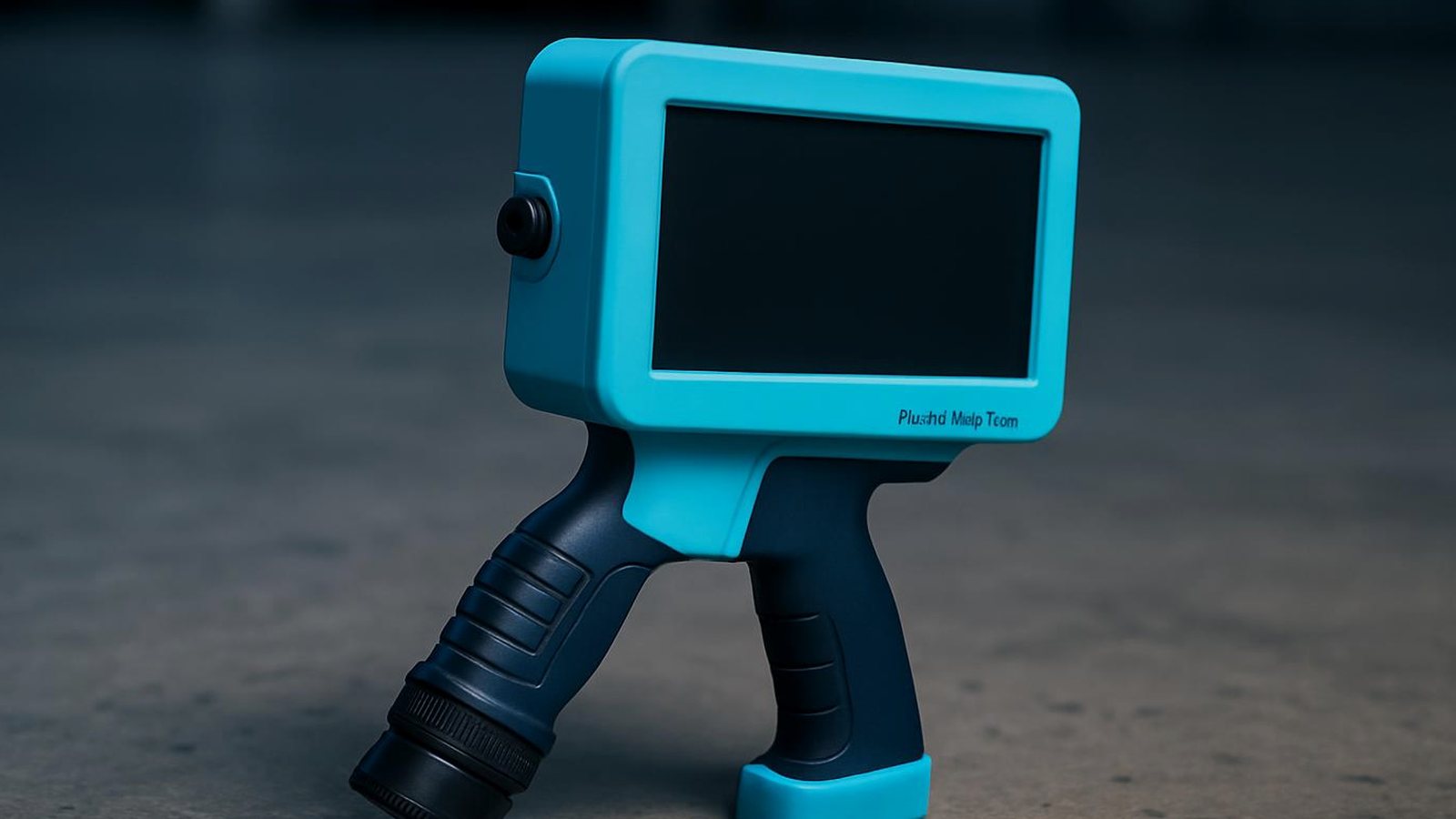
We bring your chosen handheld printer models to your site, depot, or receiving bay. Our team unboxes, assembles, and checks each device for transport bumps or loose parts. We load the right ink cartridges and run a test code on your actual cartons, pipes, or panels, whether it’s a Cape Town print room or a Gauteng warehouse. We set up the date and batch templates you need and help your operators get comfortable with the trigger, menus and battery. Commissioning includes answering immediate questions, checking print clarity on your surfaces, and troubleshooting small hurdles like paper jams or ink blotting in real-time.
Where electricity supply is erratic, such as during a power cut, we give tips for keeping batteries charged and protecting devices from voltage spikes. Local conditions matter, coastal teams get humidity advice, Highveld sites get dust precautions, and everyone hears how to clean ink heads with what’s on-hand.
A Gqeberha logistics firm upgrades from stencils to a set of three handheld printers to label cartons daily for shipping routes and municipal paperwork. On commissioning day, our team arrives at their warehouse and checks the carton codes match the fleet’s paperwork labels. Operators each practise printing on rough, glossy, and recycled surfaces. We set up the rechargeable station near their 230 V supply and show how to swap inks by hand if cartridge levels run low mid-shift. By close of day, codes are clear and consistent, mistakes are down, and both night and day shifts have tested the gear.
Help us get straight to the point by sharing a few details. The more relevant info you provide, the better we can assist on-site or by remote. Photos, pickup slips for new parcels, and a city name all help.
Please include:
The most common trouble during commissioning is mismatching printer settings to the local job, such as wrong time zone, template format, or ink for the material. Without on-site help, operators sometimes load the cartridge upside-down or jam print heads into rough stock, risking damage. Another pitfall is software confusion, especially when batch codes must match municipal, retail or export paperwork. We walk you through these early hurdles.
Don’t let small issues delay your next dispatch. Send a message through our contact form with your details instead of waiting for a call-back. You’ll hear back directly from our coding bay, not a distant call centre. For answers to common queries, visit our FAQ or see Returns if you spot a problem after delivery.
Verified Google reviews