
Cartridge
Pigment cartridge built for rough timber ends, suited for South African yards, sawmills, and mobile teams. Get marks that stay crisp from the bakkie to the bay.
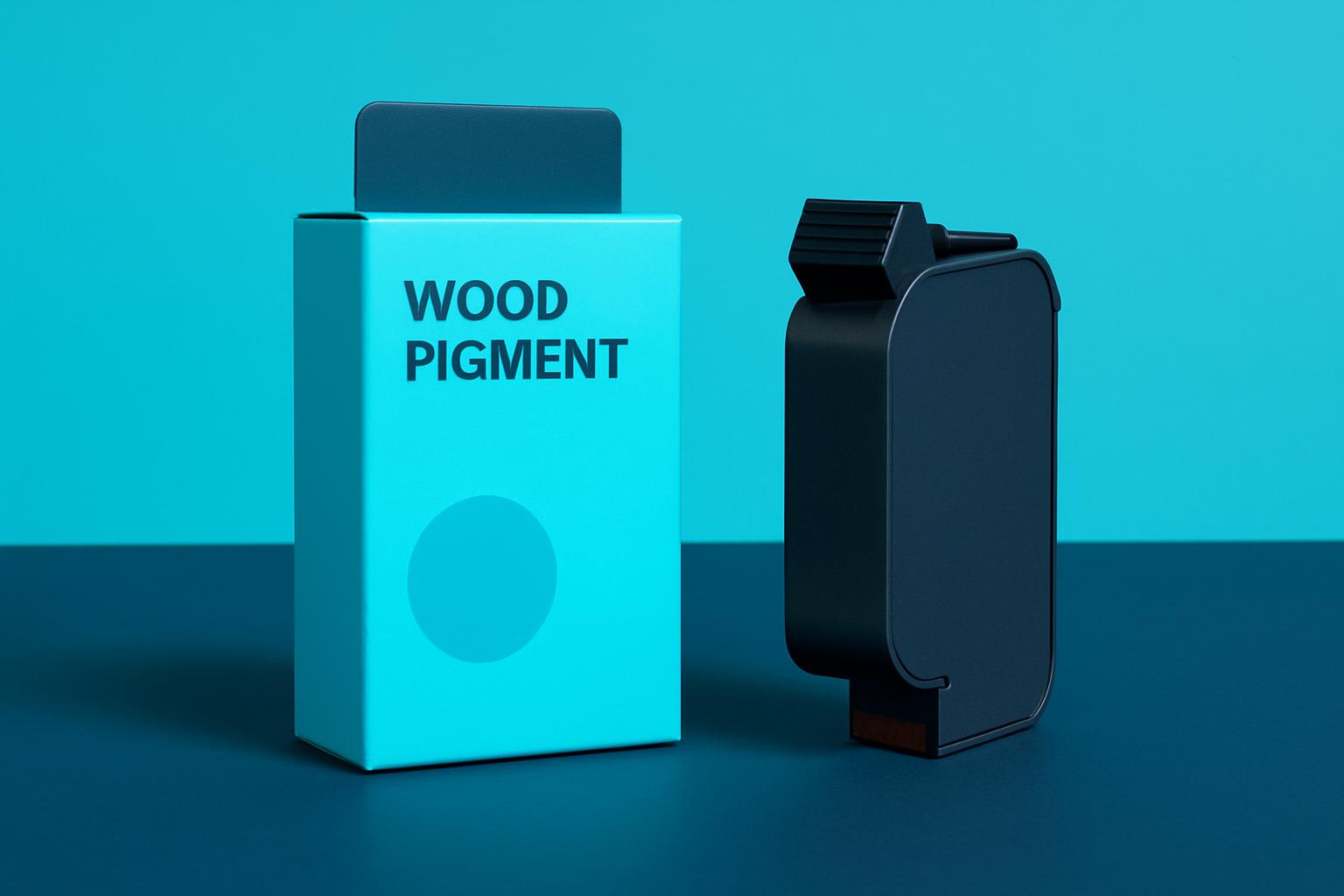
Wood Pigment cartridges are made for printing clear codes, batch marks, or branding directly onto rough timber ends. Thin solvent inks might ghost or disappear as soon as you stack the load, but pigment stays visible beyond the first rain or trip around the yard. If your timber is sitting out in the Highveld sun or riding coastal trucks from Durban to Gqeberha, weak marks will fade fast. A true pigment holds the line when your packs shift, get scuffed, or unload at a dusty regional yard.
If you need marks to survive timber handling, raw slab code jobs, or pallet stacks moving between open yards, this cartridge works in your favour. Many Gauteng yards, small hold mills, and builders' merchants prefer pigment for its staying power. However, if you work mostly with smooth film, sealed cartons, or promotional colours, you will need a different ink from our Soft Film, Promo Colour Set, or White Contrast ranges. Thin solvent or water-based cartridges are a better fit for factory board or retail-ready packs.
Swapping in a Wood Pigment cartridge is straightforward, but it pays to keep to a routine. Wipe the print head before and after a swap, and never leave a half-seated cartridge in the shared bay. Always log the change on a bay card, especially if you rotate operators or devices in a high-turnover yard. Store cartridges upright and shaded, as Highveld heat can dry out the tip. After you make your first good mark, photograph it for your log or to email as proof to your code manager. Showroom sessions at Sunnyrock can walk you through a swap if you bring a timber sample.
A Germiston timber yard needs each raw pine beam to carry a clear batch ID before loading for Bloemfontein. The operator swaps out a half-used black indoor ink for Wood Pigment, wipes the print head, and prints a row of test marks on offcut ends. After the operator is satisfied with the contrast and dry time, the code is run down the full pack. The bay card is updated with the first marked beam for the records. The marks remain readable after transport, through dust, vibration, and a round of Highveld sun.
We recommend you email a photo of your actual timber end, not just a sample from a supplier catalogue. Mention your city, which device you use, and whether you share cartridges between units. If you are mixing a fleet or planning a fresh stock order, it helps to mention which of our Devices you use and what other substrates you print on. Ronesh Reddy may follow up for a substrate photo if your request is for a swap.
Send us a message through our contact form for pack sizes and typical lead times. We reply from Sunnyrock most weeks, with practical advice for your floor.
South African conditions add noise to simple swaps. Highveld sun can flash dry a tip if left out, while coastal damp may thicken pigment residue if your cartridge is stored too long. Never mix packs for indoor and outdoor use, and always use pigment for grainy, uneven timber rather than a thin ink that may ghost. Keep Cartridges for different surfaces organised on separate shelves, and always keep promo inks away from your staple black or wood pigment so that event code jobs do not cause confusion in the yard.
A quarterly Care & Spares Kit can help keep nozzle tips clean, but it is not a replacement for picking the right cartridge for each job. If in doubt, bring a sample to a Showroom for a hands-on demo and advice specific to your material.
Verified Google reviews