18 Aug 2026
Timber grain mode is the method for coding rough timber or board ends without racking up scrap. Get the core steps and local tips for steady, legible marks.

Timber grain mode is a process note for marking rough timber or laminated board ends, especially where the grain runs wild and the surface is uneven. Most often, it is used in packaging bays, joinery workshops, and industrial timber yards where boards are cut, stacked, and coded for distribution. This approach is suited to South African teams working with pigmented inks and surfaces too coarse or dusty for standard carton coding. If you only mark sealed boxes or use a fixed line coder, you can skip this one and head to our Codes notes for carton or pipe work.
The steps are clear: select a pigment cartridge, check the substrate, and work at a deliberate pace. The grain mode reduces scrap on rough ends by locking in ink settings and controlling the pass speed, rather than racing through the batch. You walk the bay early, spot the stack, and capture the first good mark with your phone. In many Gauteng yards, power cuts can stop you mid-batch, so teams compress their checks into the morning power window. Carton swaps and offcut changes are common in the timber trade, so every mark needs a photo and shift date logged before break.
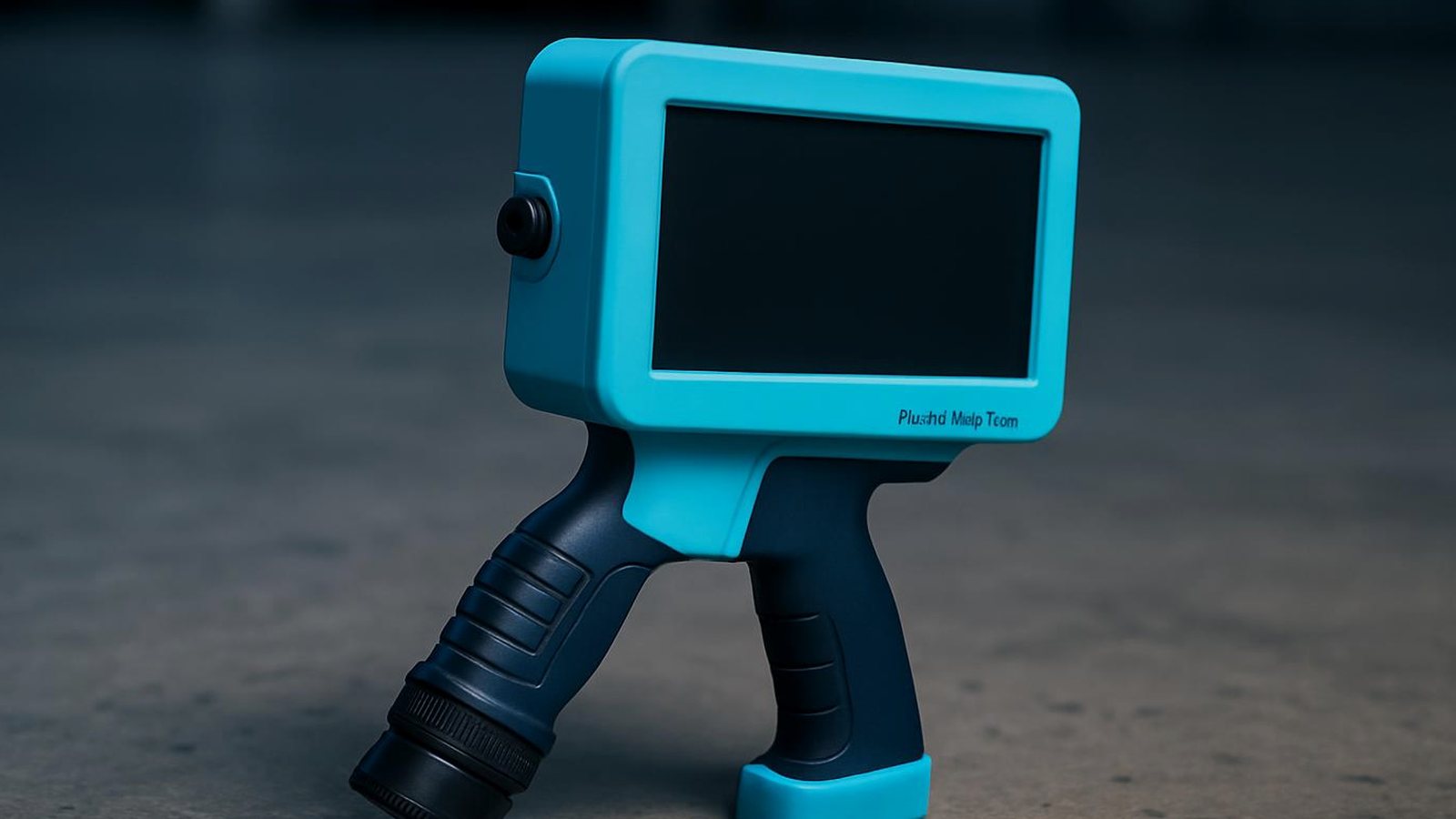
Let’s say you’re working in Bloemfontein on a batch of rough pine. You pull the handheld, slot in a pigment cartridge, and confirm with the yard lead that the substrate is true pine, not a composite. On a cold morning, condensation can form, so you separate the wipe tip before loading the template. Walking past the sun path, you check the stack for UV risk. The first clean mark goes onto a board, and you snap a photo on your phone, tagging the date for the shift log. Later, you spot a carton sample that doesn’t match. Instead of making up a new setting, you log the exception and hold on any changes until the right card is on hand.
When you need support, have a few things ready before you write. Before using our contact form, gather your current cartridge and template codes, the board species, and one line describing the problem. Note if UV or cold storage is affecting your run. It helps if you mention your location - Cape Town humidity or Highveld dust can change our answer. If you’re asking about a new substrate, share the supplier’s product sheet if it’s handy.
Boards produce uneven surfaces, so nozzle tips clog faster in Highveld dust or go gummy in Durban humidity. If your pigment ink dries out, don’t force it, swap early and log exceptions. Pharmas want quiet templates, but farm crate yards want UV marks that still read after the bakkie trip. Condensation in cold stores can ruin a run if you load a wet template. Always compress critical checks into any mains power window during a power cut. Export runs at Isando sometimes lose marks when handlers read band height from a forklift instead of on the floor. Never invent a new field or code during a shift just because someone brings in a carton. Always log changes and hold the process line.
Keep this checklist handy when coding timber or board ends. Most teams pair it with our Showroom sample cards or Highveld UV ink choices for deeper field tips.
Verified Google reviews