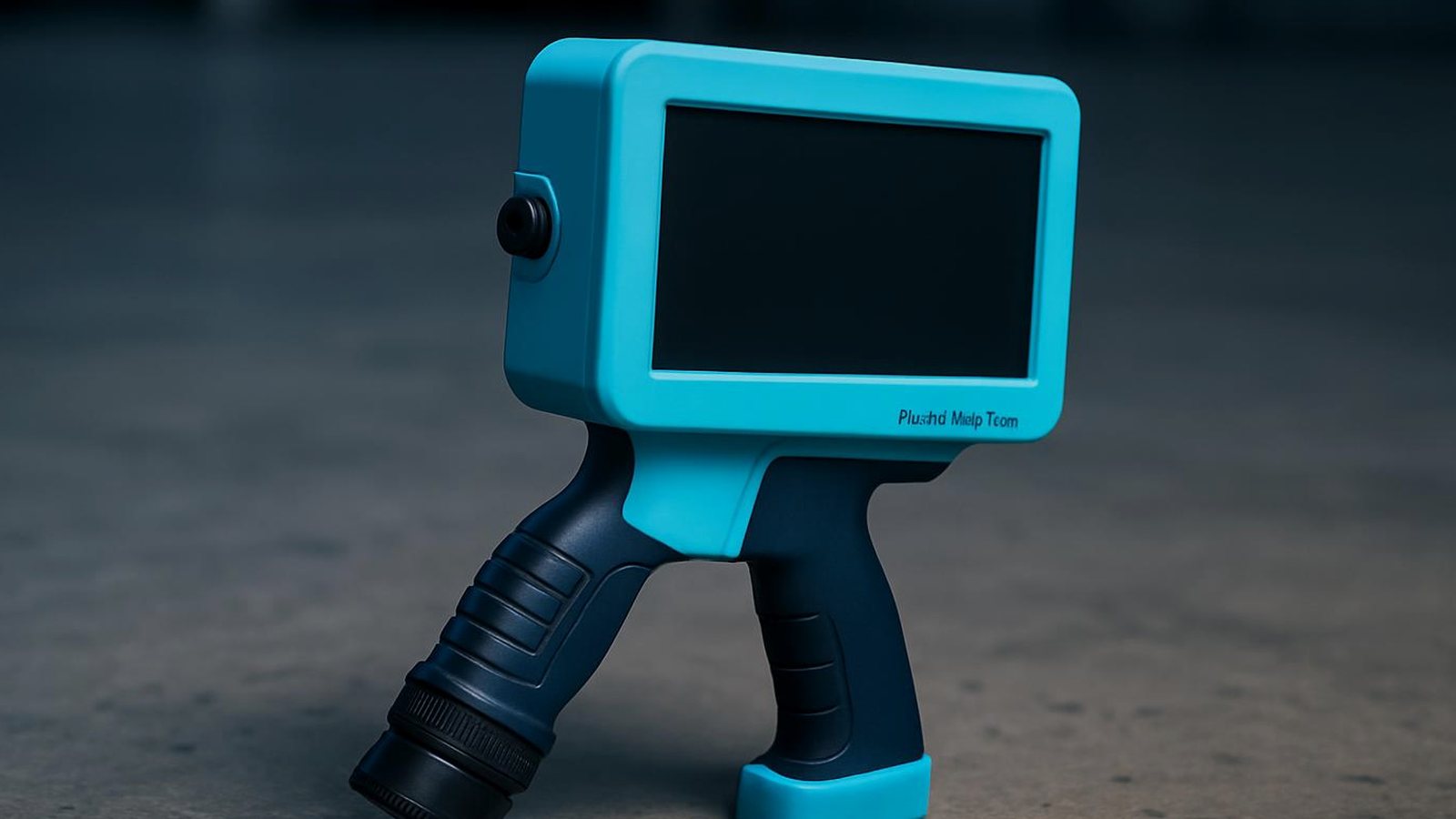
| Ink / cartridge | Low-bleed soft film ink |
|---|---|
| Print / walk | 12.7 mm · pressure-limited head |
| Power | USB-C · quiet motor profile |
| Typical fields | See Fields paired to this device |
Use the contact form if you want a sketch for your bay layout.
InkCell Soft process is our portable coding solution for soft and problem-prone packaging. Where standard contact heads smudge or crush corners, InkCell Soft gives you a pressure-limited mark, even on foam trays or thin film wraps. This handheld is made for lines that change substrates often and cannot rely on a fixed coder, from Midrand’s chilled distribution hubs to crate handlers in Polokwane. Operators dealing with fragile packs, cold-room condensation or mid-shift substrate swaps will find it fits their walk paths. If your route is mostly timber, metal or rigid board, or you need ink to set instantly on oily surfaces, another device may be a better fit. See InkCell Soft or Fields for alternate setups.
You start by loading your template, confirming the right cartridge, and wiping the print head. The cartridge uses a low-bleed, soft-film ink to avoid oversaturation. Each mark is pressure-limited, so pack corners stay intact. When a shift begins, especially in busy Highveld aisles or export packing in Isando, the first step is to photograph the first clean mark for reference. This becomes the reference if you have to restart after power cuts or a batch restart. We recommend logging your walk height any time you switch carton sizes mid-shift. Most crews run on 230 V mains and charge via USB-C; power cuts are not a problem for most shifts, as the internal battery covers the round.
Consider a Durban packer loading chilled fish fillets into foam trays. The morning begins with a new ink cartridge and a fresh template for the day’s batch code. The operator wipes the head, makes a test mark on a spare tray, and snaps a photo. Throughout the shift, as trays and films change, they check both the log card and walk height to match changes in substrate or pace. At 14:00, a power cut cuts the lights, but the handheld runs on its own battery. When a supervisor wants to confirm marks before dispatch, they review the saved photo and check the reference card. No packs are rejected for smudges or missed codes.
Prepare a few details before contacting our team. We need the exact substrate type, a clear photo of a typical pack, your normal walk speed, and which cartridge you have already tried. This lets us match the right InkCell Soft setup without guesswork or delays, especially if your shift changes between different carton types or films.
South African coding projects often stumble on details: a missing mark before transport, a smudged code in a damp storage bay, or template confusion when shifts change. InkCell Soft process sidesteps most of these. Short check cards stay at the loading bay, and every commissioning pack includes advice to photograph the first good mark of the day, this saves time when supervisors need proof, or when you have to restart after a trip or outage. Skipping cartridge checks can cause ink bleed or incomplete marks, so always confirm before the shift gets busy. If you are uncertain whether a field solution would suit you better, let us know and see our advice under Fields before expanding your scope.
If your batches rely on instant-drying ink for oily steel, timber or heavy crates, or if you need high-volume fixed coding, other devices may suit you better. The InkCell Soft process is best kept to soft substrates and sensitive corners. For guidance on the right setup, or full device comparisons, check the Devices overview or reach out via email. Send us your case, substrate type, typical shift details, and previous cartridge attempts at our contact form and we will help you choose the best fit for your floor.
| Ink / cartridge | Low-bleed soft film ink |
|---|---|
| Print / walk | 12.7 mm · pressure-limited head |
| Power | USB-C · quiet motor profile |
Verified Google reviews