Template bay service is there for the teams who run portable coding on the crate, the pallet, or in the back of a van. It suits any floor where a fixed coder cannot reach every SKU or dispatch window before the last truck closes. If your product lines move between packing areas or through Highveld dust and afternoon power cuts, Template bay service helps keep the job on track. We offer ongoing care, spare kits, and working checklists for operators who will not read a long manual at 6am. If you need one-off installation or deep troubleshooting, see our Projects page instead.
If your team does daily SKU swaps, runs lines through multiple zones or needs a coder that fits in the cab, Template bay is built for your pace. Crews in Gauteng, Gqeberha, and coastal plants with shifting demands use our service when weekly or monthly care is all their schedule allows. It's not ideal if you want a static print room or have engineering capacity for a fixed coder with full workbenches. Print teams who prefer everything bolted down with three-phase power won't get much from this service.
We keep things simple: operators get a schedule they can actually keep. Weekly wipes of print heads, monthly checks on batteries and seals, and a quarterly review of the spare kit. After a week of wind and dust, we remind teams to check outdoor shell flaps, especially in Germiston or Bloemfontein yards. If you're working with soft film heads on foam lines, expect more frequent wear and pack extra spares. Each service visit is arranged by message through our contact form, and we arrange timing around your operating windows when we can.
Real SA shifts run on practical checks, not moodboards. A missed batch code or a smeared carton mark matters more than any software theme. We write everything you need on cards that pin above the dock or in a kit box. Plant teams in Midrand and Isando keep a quick photo of the first good mark as their proof point. This habit pays off when you restart before sunrise, no hunting for the last working setup on WhatsApp.
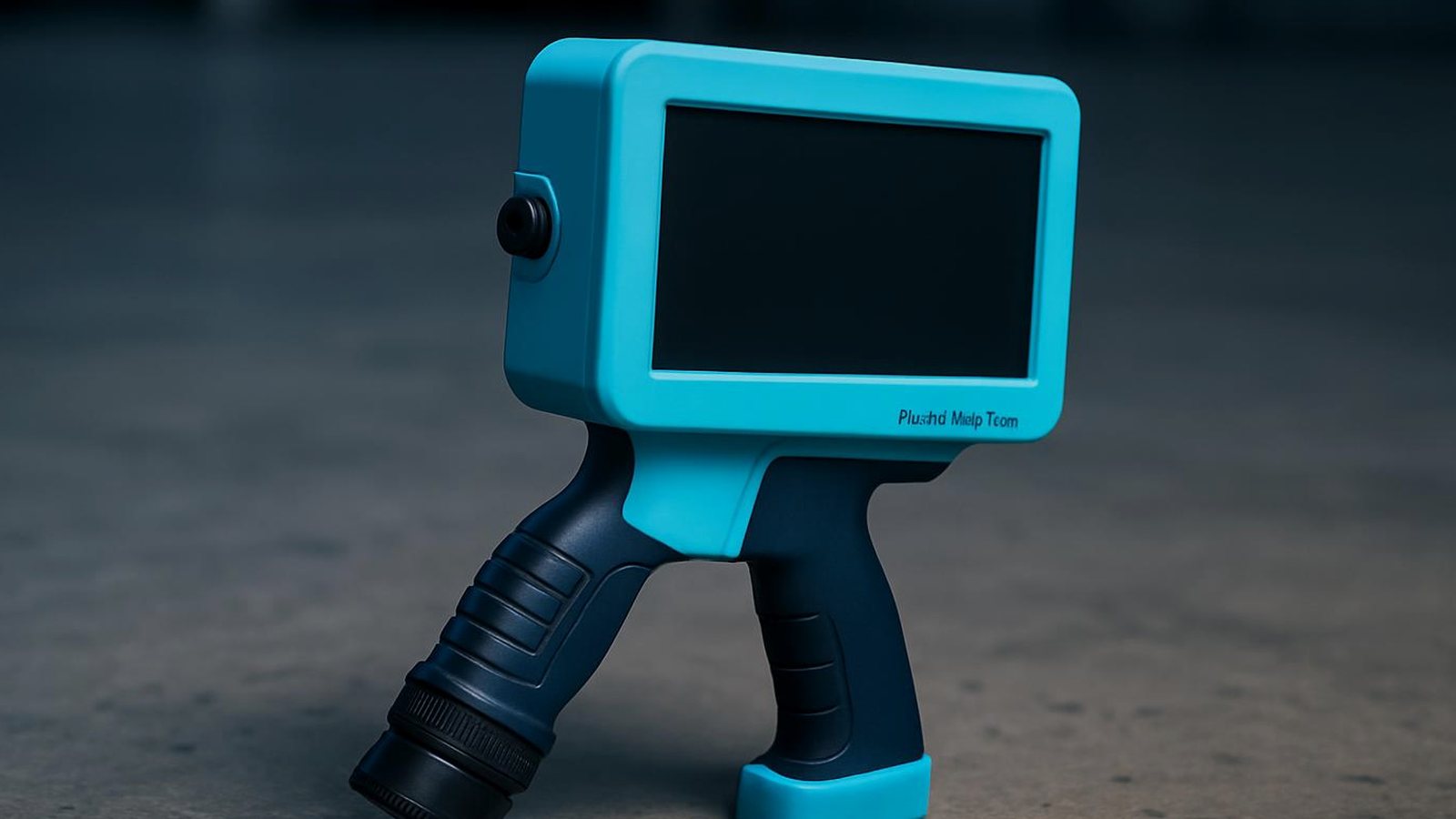
A Gauteng warehouse rotates operators across four packing aisles, coding both cartons and timber strips bound for different clients. One week sees Highveld dust; the next, a rush order lands at 16:45 before a long weekend. The Template bay handheld does the rounds with a spare kit and a print card pinned at the dock. The team snaps a photo of the first readable batch mark every shift. If a print head smears after three shifts on foam, they let us know. The support team walks them through a seal check and books a courier drop for a spare cartridge. No lost marks, and no delays on the next bakkie out.
Clear details about your kit, your substrate and your usual walking route let us give a useful answer. This helps us bring the right spares, match the cartridge to your ink and avoid wasted trips. Below is a checklist to help you prepare for a smooth Template bay service call:
The most common errors are stretched care intervals and missing photos. Operators often forget to send that first good mark, which makes troubleshooting harder when a shift restarts. It’s easy to skip the monthly battery check, especially in a busy coastal plant, but a flat pack at 14:30 can waste a whole dispatch. For best results, stick to the simple cards and keep the care cadence matched to your team’s real rhythm.
| Ink / cartridge | N/A · cartridge store shelf |
|---|---|
| Print / walk | USB + Wi-Fi transfer to handhelds |
| Power | Mains 230 V SA plug |
Verified Google reviews