Field
Direct, legible coding for metal and plastic auto components during real shifts. Stay on schedule and prevent missing batch or part marks at the gate.
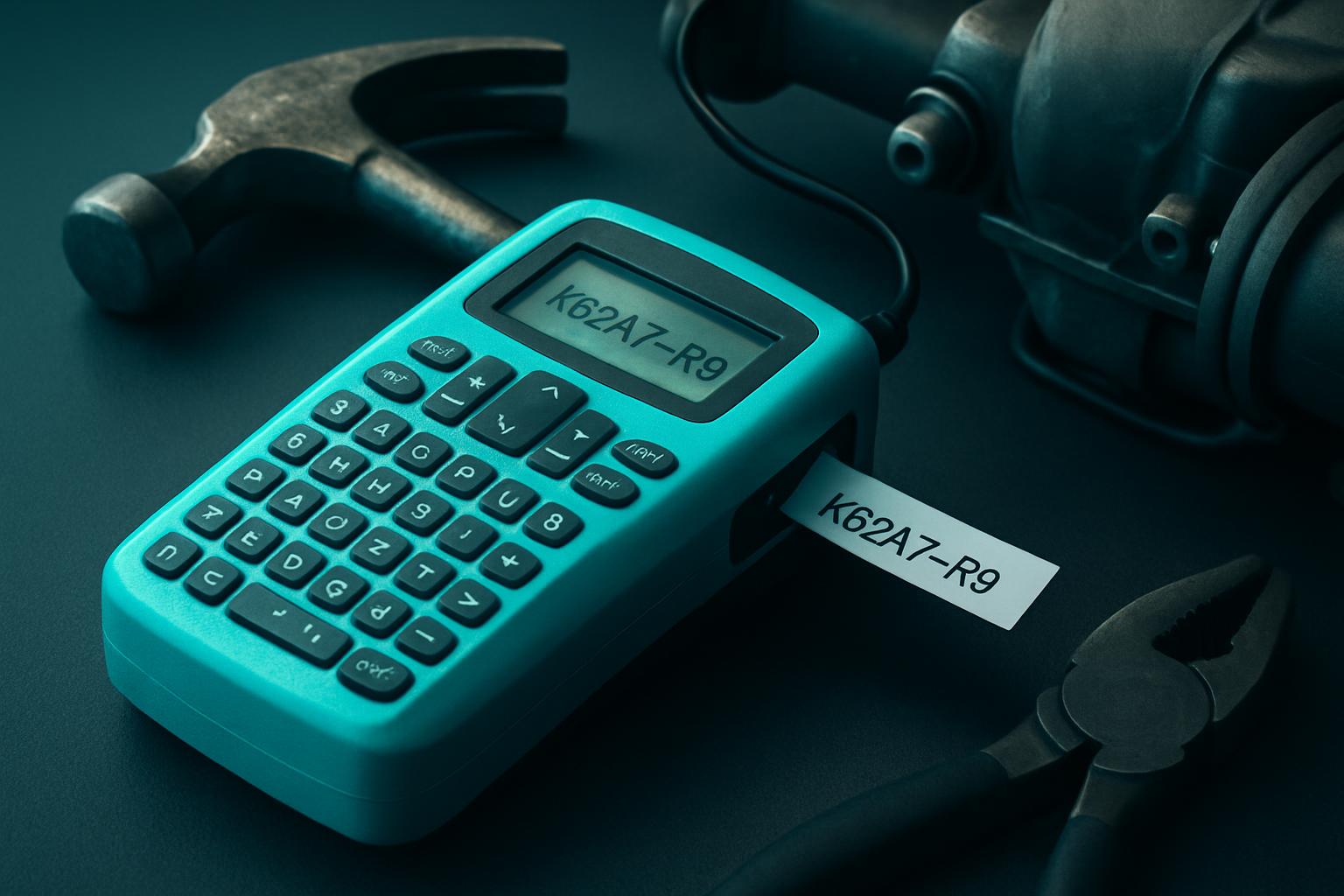
Use our contact form with the part material and target walk.
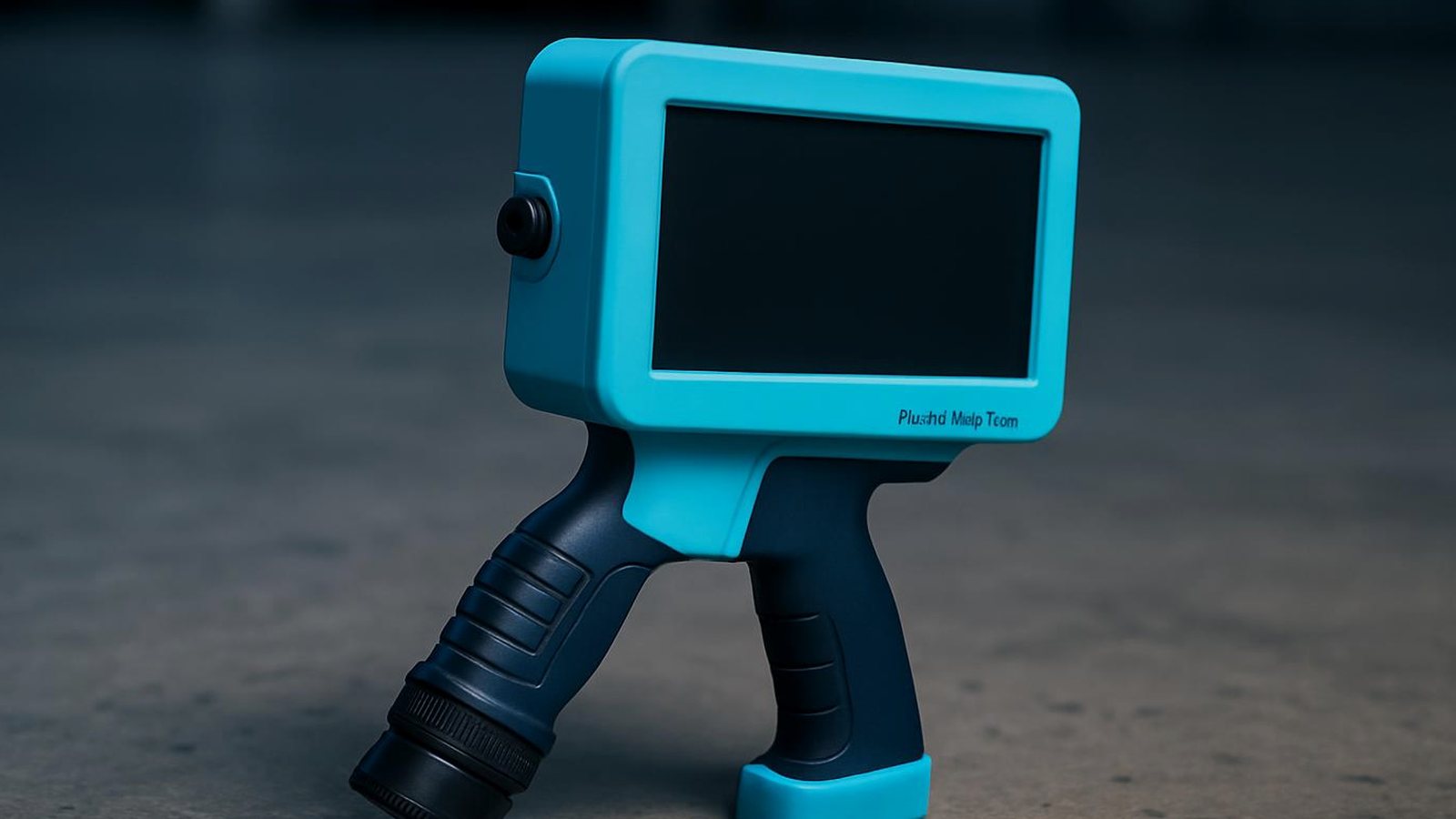
Auto components are rarely clean or secured in one spot for long. Every week, oily brackets and plastic housings are packed, racked, or inspected between repairs and power cuts. Permanent bench coders miss items that move between lines, carts, and warehouses. A handheld coder like the SteelMark Edge fills this gap when you need to mark a single batch on loose stock, confirm a changeover, or clear a crate for dispatch when the fixed line is down.
South African teams in Gauteng, Durban, and Gqeberha use portable printers on short notice to keep up with mixed substrates. This setup suits automotive suppliers, aftermarket importers, and contract packers with no luxury of perfect surfaces. Devices suited to this task focus on ink adhesion and keeping batch info consistent on the shop floor.
This method fits teams where components travel between work bays or where the week’s orders cannot justify a permanent print cell. If you code on brackets, hoses, boxes, or covers in areas with oil, dust, or changing temperatures, a portable device saves time. It suits foremen and operators who answer for each mark at dispatch or during audit season.
If your factory is running a fixed line 24/7, always coding the same substrate, stay with your installed coder. Our field method is not for high-speed, single-SKU flows. Heavy automation and robot cells do not need handhelds unless you handle frequent rework or off-site stock corrections.
Work starts by writing out the substrate and walk path, what surface you are marking and where you will walk with the device. Next, pick the main device (usually SteelMark Edge for metals and most plastics), and photograph the result on your first workable sample. Print or pin this check card for your week’s run.
Run cartridge and template checks early to avoid ink or code errors halfway through. If a part will face sun, heat, or cold, check if you need UV-resistant or low-temperature ink. When the day is cut short by power cuts, double up template and cartridge checks to fit the available power window. Review scrap pieces to spot any problem areas. If there’s a mismatch between the checklist and marketing photo, trust the checklist.
A codes note helps keep everyone’s language aligned. Every mark made should have a clear, repeatable reason your supervisor can check.
You’re in Germiston on a Monday, marking 100 mild steel starter motor brackets, some fresh from powder-coat, some coated in storage oil. Your team uses the SteelMark Edge with an industrial quick-dry ink cartridge. The operator writes: 'Mild steel, east bay, route via loading door'. The first bracket gets a batch code printed and checked. Operator pins the field card to the cage for later shifts.
On day two, a team member snaps a photo of the code after cleaning a section with a cloth. Cartridges are checked and replaced as needed. If a power cut is forecast, template and supply checks are doubled up. The final check card and codes reference travel with the batch through the finishing bay, so anyone on late shift can see what’s been done.
Before you send a message through our contact form, note the trickiest substrate (metal, plastic, or composite) as it is on the floor. Write the substrate and typical walk path in one sentence. If you already know which field checks are green, note them so our team can fill in the gaps. If there’s a field or device you’re considering (such as the SteelMark Edge), include that too.
A short, honest list about the mark and current gear is better than a long background. This keeps us sharp and helps avoid restarting the process when your week is already loud.
Teams often skip the photograph step or forget to physically pin a field card. This leads to missing codes at dispatch or mistakes during audits. Rushing cartridge checks can cause faded or smudged marks, especially on oily or curved surfaces.
Checklist shortcuts mean the wrong ink gets used on UV-exposed parts sent to Durban or components facing Highveld dust. Always confirm your device and ink match the substrate and storage conditions. When in doubt, check our devices list or reach out for advice.
Showrooms at Clearwater, Pavilion, or Baywest can continue a field process if you send a brief, accurate handoff note. Be honest about any missed steps. This protects later shifts from repeat errors.
Verified Google reviews