Field
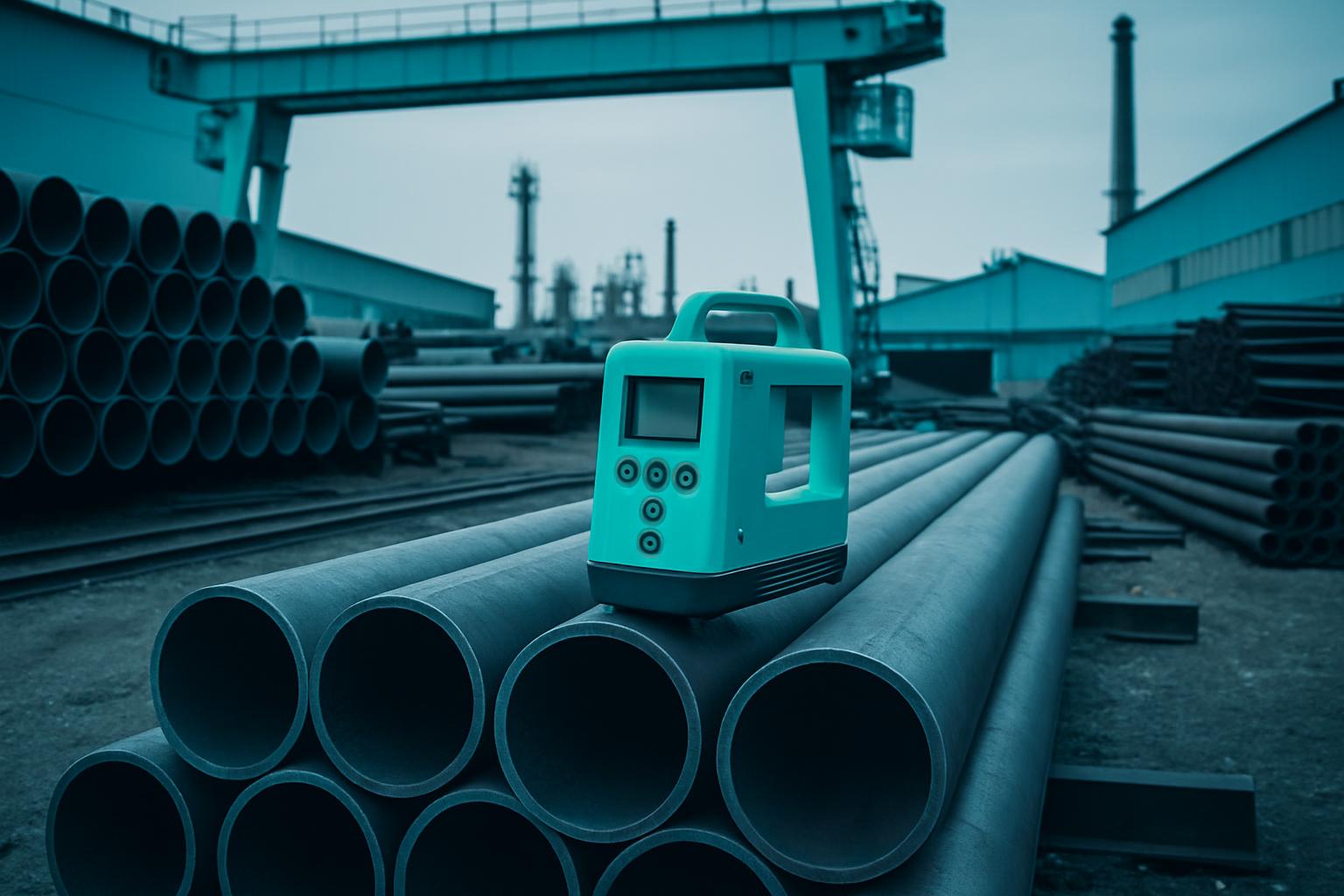
Pipe and steel yards need marks that stick where paper and plastic labels cannot. Our gear and checklist help keep batch codes and lengths visible from gate to contractor.
Use our contact form with the pipe or steel finish and target walk.
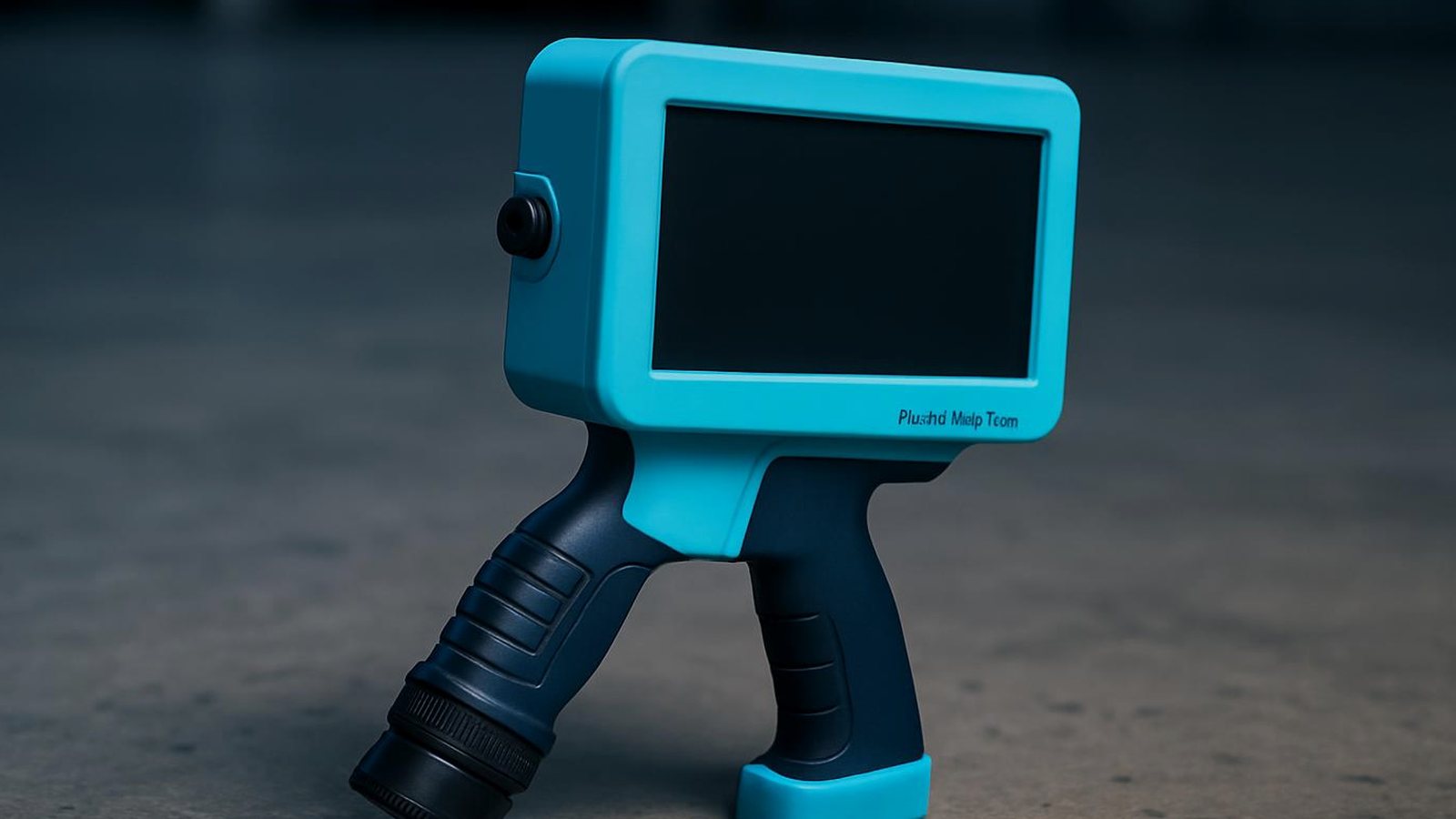
Fixed coders rarely suit the layout in most Gauteng and coastal steel yards. Pipes, tubing, and brackets shift across sheds, open bays and lorry beds before they reach the final rack. Paper and plastic labels often peel in Highveld dust, Cape Town salt air or Durban humidity. A permanent, readable mark at the end of each pipe is the only detail that survives from loading to installation. Handheld printing with the SteelMark Edge lets your team apply batch numbers, length codes, or job references directly to painted steel, galvanised tube or aluminium angles, wherever the stack lands. This stops confusion at the dispatch gate and avoids rework when multiple teams split a batch.
If you handle steel, pipe or fittings in yards where the stacks move and weather is rough on labels, portable inkjet is the practical tool. It suits supervisors, stores teams and mobile contractors who cannot predict exactly where the mark will happen. It is not for situations where every product runs the same way down a fixed line, or where automated taggers already print onto each steel length. If your process cannot pause for a checklist, or you rely mainly on electronic scanners and RFID for traceability, our field process may not be the best fit. Many of our busiest users are in industrial parks outside Polokwane, Gqeberha and Bloemfontein, managing orders that need clear, instant marks but not full MES integration.
Our process is a five-point field checklist to help your team run handheld coding under real pressure, even through power cuts or wet season. On day one, you write down the substrate and walk path, where and on what the mark goes. Day two, photograph the first sharp, readable mark using the SteelMark Edge and pin the check card where the night shift can find it. Day three is for running cartridge and template checks twice, catching clogged nozzles or template drift early. On day four, confirm if you need UV or cold-temperature ink, especially important for outdoor Gqeberha stacks or freezer-bound bundles. Day five, review any scrap or missed marks and decide if another handheld model is better for tricky surfaces. If a power cut squeezes your shifts, combine cartridge checks and ink reviews into one power window and never skip the core steps.
A yard supervisor in Bloemfontein runs a mixed stack of painted angle and galvanised pipe for a contractor on a tight schedule. Labels peel within a day in the dry winter air. The team leader writes down 'painted angle, yard lane three, marked after cutting' and assigns the SteelMark Edge as the main device. On day two, they photograph a clear 'BLM-23 2500mm' code on the bracket end and pin the card in the canteen. Cartridge and template checks on day three show all marks sharp. On day four, since half the order sits outside, the supervisor checks if the standard cartridge holds up to UV. They log one exception (a pipe slipped and missed the code) before showroom hour. By the following week, all bundles arrive on site with visible batch and length, without confusion or lost pieces.
Tell us your substrate (pipe, steel, bracket or other), where you want the mark, and where the coding happens, such as outside racks or indoor bays. Add the field name ('pipe and steel yards'), your city and which checklist items you have already completed. If your team already uses a codes note, paste the link so we can refer to your template language. We prefer a short, clear list to a long write-up. Codes notes help us keep your terms straight when teams change hands at shift change or at showroom handover.
Skipping the photograph after the first good mark often leads to missing codes when the shift changes. Crews sometimes forget to print or pin the field card, leaving no traceable record when something goes wrong. Rushing the cartridge check or ignoring UV ink needs can mean faded marks by the time steel reaches the customer, especially in coastal yards. Trying to combine the checklist with product photo shoots almost always leads to confusion. Hold the field list separate and make sure the next team knows what still needs checking. Honest notes in the handoff, even if half-complete, avoid wasted time and arguments at dispatch. If a problem repeats, bring it when you send a message through our contact form so we can recommend a different device or cartridge for that use case.
Verified Google reviews