Field
Get clear marks on foam edges and soft film pallets before dispatch. We guide you through proven steps for reliable coding that survives the trip.

Use our contact form with the film gauge and target walk.
Soft film wraps cover foam corners, polystyrene, shrink sleeves, and bubble wrap that cushion fragile units or multi-pack orders. These jobs land on producers, warehouses, packers, and mobile coding teams when a fixed coder would dent or blur the code. Handhelds suit short-run lots, varied sizes, and dispatches through multiple bays where gentle handling matters. We most often see this field in Gauteng packing rooms, Cape Town food assembly, and Polokwane couriers who pad each crate.
You need a handheld on soft wraps if you run multiple SKUs per shift, wrap at the last minute, or have batch codes that must stay visible on flexible or spongy surfaces. It is the right fit for teams who code by task (not production rate), and for units that transit from Gauteng dust to Durban humidity. Avoid this workflow if your mark requires deep indentations, or if marks will be cut away with the film by the end user. Bulk pallet operations with only two codes per day may not benefit.
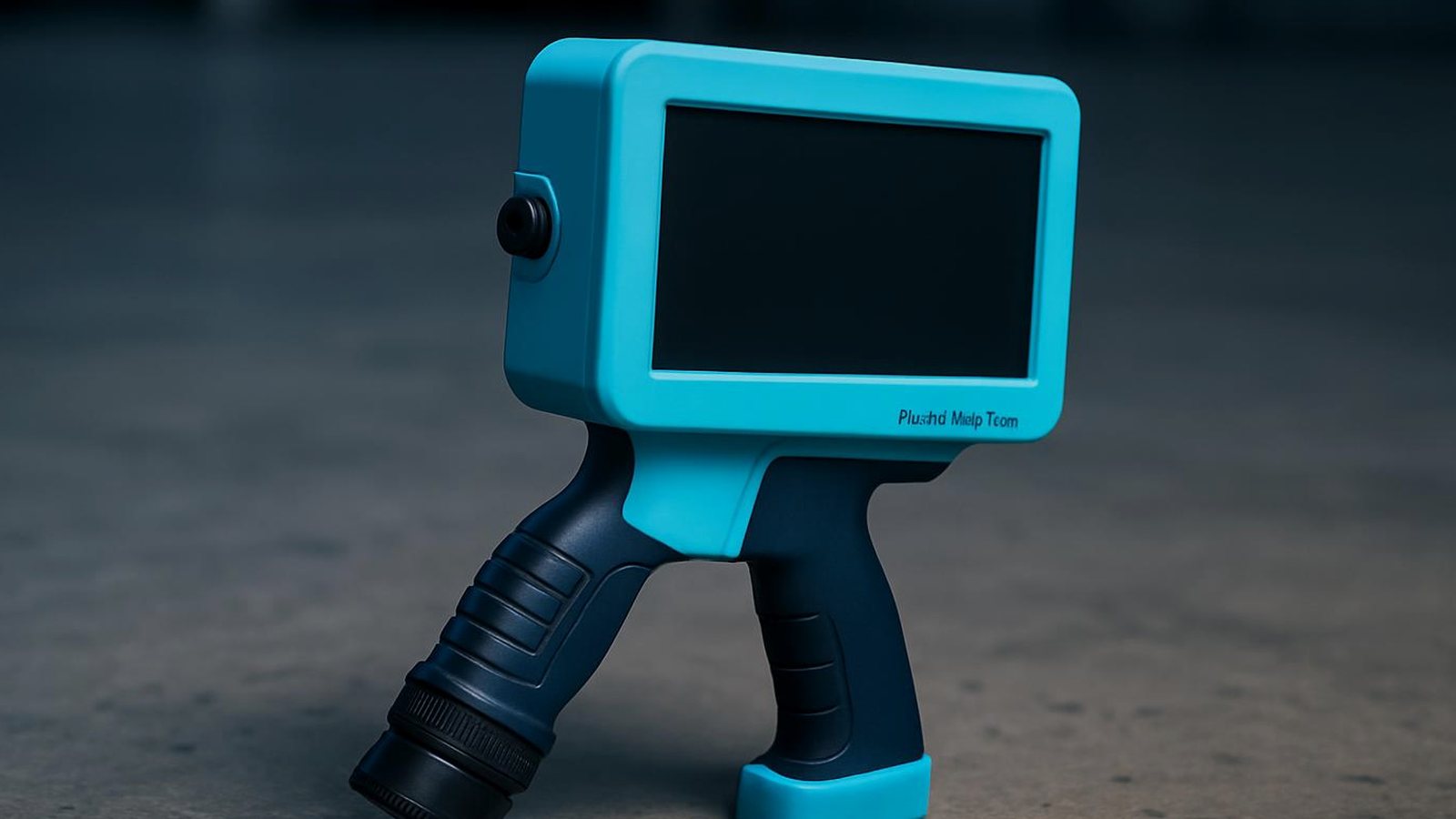
The InkCell Soft is our practical choice for foam, film, or layered plastic. Its gentle contact head avoids distorting the wrap, while quick-drying pigment inks leave legible marks even if the roll flexes. No need for heat or extra pressure. Operators appreciate the simple cartridge swap and fast startup after a lunch break. For jobs with coastal condensation or cold nights in Gqeberha yards, we can point you to the right outdoor or chilled-ink cartridge from our cartridges range.
Most SA teams follow a set process so the code lands where it should, even if the week runs loud. Here is how we see it work in practice:
Day one sets the substrate and walk path. The operator writes down the material and movement from wrap to trolley to outbound gate. Day two pins down the first good mark, confirmed by both the floor lead and a teammate. Day three sees two checks: cartridge ink quality and template. By day four you tweak ink for UV or cold if the batch will sit outside. Day five reviews what landed in scrap and if another handheld is needed. Where power is tight, as with power cuts, double up checks in a single window.
A Germiston packing team codes polystyrene foam corners used to protect tap fittings. On Monday, the owner emails us a photo of the wrap and the route the boxes will take from assembly to dispatch. By Wednesday, the team has printed marks with the InkCell Soft, stitched to a code reference card, and photographed the first pass. Ink smudged on one batch due to a worn cartridge, so by Friday the operator switches to a fresh ink pack and logs the exception. At the close, they send a message through our contact form a line about which checklist items are green, saving a repeat on their next order.
Include the film or wrap you code on, your city, and which checklist items have run green or need help. Tell us the main route your wrapped goods take: inside, outside, or both. Mention if you operate through night shifts or face unusual weather like coastal humidity. If your project links to another application, such as retail backroom or export pallet marking, let us know so we can keep language consistent across your teams. Email everything through our contact form.
Soft film wraps fail when the checklist is skipped or left half-finished. The most common mistakes are codes missing from ends, batch marks blurred by pressure, or using an ink that does not set in local humidity. Teams sometimes photograph perfect packs for marketing and forget to pin the checklist, which leads to missed marks in the field. Showrooms at Clearwater, Mimosa, Pavilion, and others can continue your field session if your handover note is clear about what still needs attention. Prioritise checklist steps over pretty photography, especially when the shift gets interrupted by power cuts.
Verified Google reviews