Cartridge
Oil-tolerant cartridges keep marks solid on greasy steel and oily parts. When standard ink smears, this is the field-ready solution for busy South African floors.
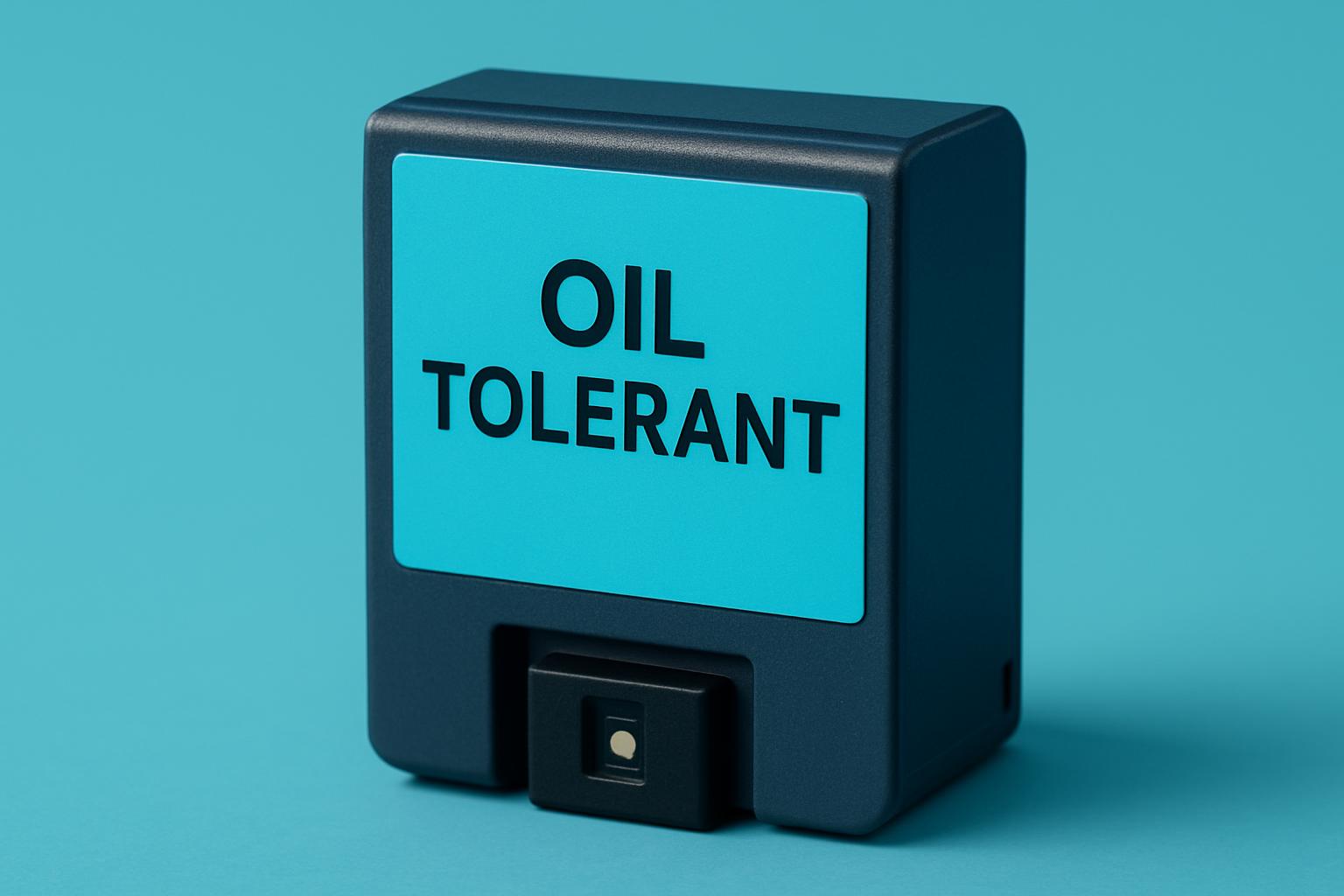
Some jobs bring oil as part of the territory. Metal yards, auto workshops, steel racking factories, and gear packing lines know the problem. Ordinary ink falls short on greasy or slick parts, smearing when handled or wiped. Oil-tolerant cartridges carry a purpose-mixed formula, gripping oily, cold-rolled, or machined parts where generic ink loses hold. These packs matter most where your mark must survive a bakkie ride, rough sort, or a week in an open depot, not just the next shift change.
If your team codes bare metals, lubricated shafts, or oily components, oil-tolerant cartridges outlast and outmark standard bottles. These are common in Gauteng steel yards, Durban tool packers and Highveld workshops with greasy stock. On the other hand, they are not a cure-all for wet timber, chilled cartons, or plastic wrap. For these, see our Wood Pigment, Cold Adhesion, or Soft Film packs.
Do not use oil-tolerant ink on porous materials that need deep-set, permanent marks - it sits on the surface and can ghost on rough or grainy packaging. Choose only where a slick, even finish resists normal solvent or water-based ink.
On busy floors, a few habits can mean the difference between a stable, readable mark and a wasted line of part numbers. Wipe metal before printing if heavy oil is present, but this cartridge is built to skip fuss on light and moderate residue. Always log swaps and store packs upright, away from the Highveld sun or warehouse heaters. Do not let a half-inserted cartridge sit in a mobile coder overnight, especially under power cuts, seal it or remove it before the next operator clocks in.
If you run mixed machines, keep oil-tolerant packs clear of black, promo, or UV cartridges. Accidental swaps waste ink and may foul the print head. A field photo is worth more than any brochure colour chip when it comes to matching substrate and ink, so email us a clear photo if you are unsure.
A Polokwane parts packer codes gearbox casings for dispatch. Standard ink smudges during handling, as leftover oil on the metal blocks adhesion. After testing an oil-tolerant cartridge, they see clean, sharp codes surviving all the way to the dealer. No double handling was needed. The packer wiped only the greasiest parts and logged all cartridge swaps on the bay sheet, keeping production organised. If they want the same on timber crates, they use Wood Pigment instead.
The surface you mark, whether carton, pipe, timber or metal, decides the coding head, so mention it with the line conditions on site. Mention the city and which handheld device your team is using. If commissioning a mixed fleet, tell us which handhelds share the same shelf so we can advise on pack separation. This lets us reply from the Midrand coding bay with practical answers on pack sizes and lead times.
Do not trust a cartridge label alone, always match to the job and surface. Oil-tolerant does not mean universal; it is made for light to moderate film oil, not thick grease. Avoid mixing packs or storing them near strong solvents. Some outdoor inks, like Outdoor UV, may be better for sun-exposed open yards. Always follow the operator card for swaps and cleaning, and never leave a printhead dirty before a pack change. If in doubt, ask us for a demo at our Showrooms with your own sample part.
Verified Google reviews