Cartridge
Cold Adhesion is the ink cartridge built for chilled cartons and plastics. It stands up to condensation, Cape Town humidity, and Gauteng cold rooms when standard outdoor or black fast-dry packs cannot.
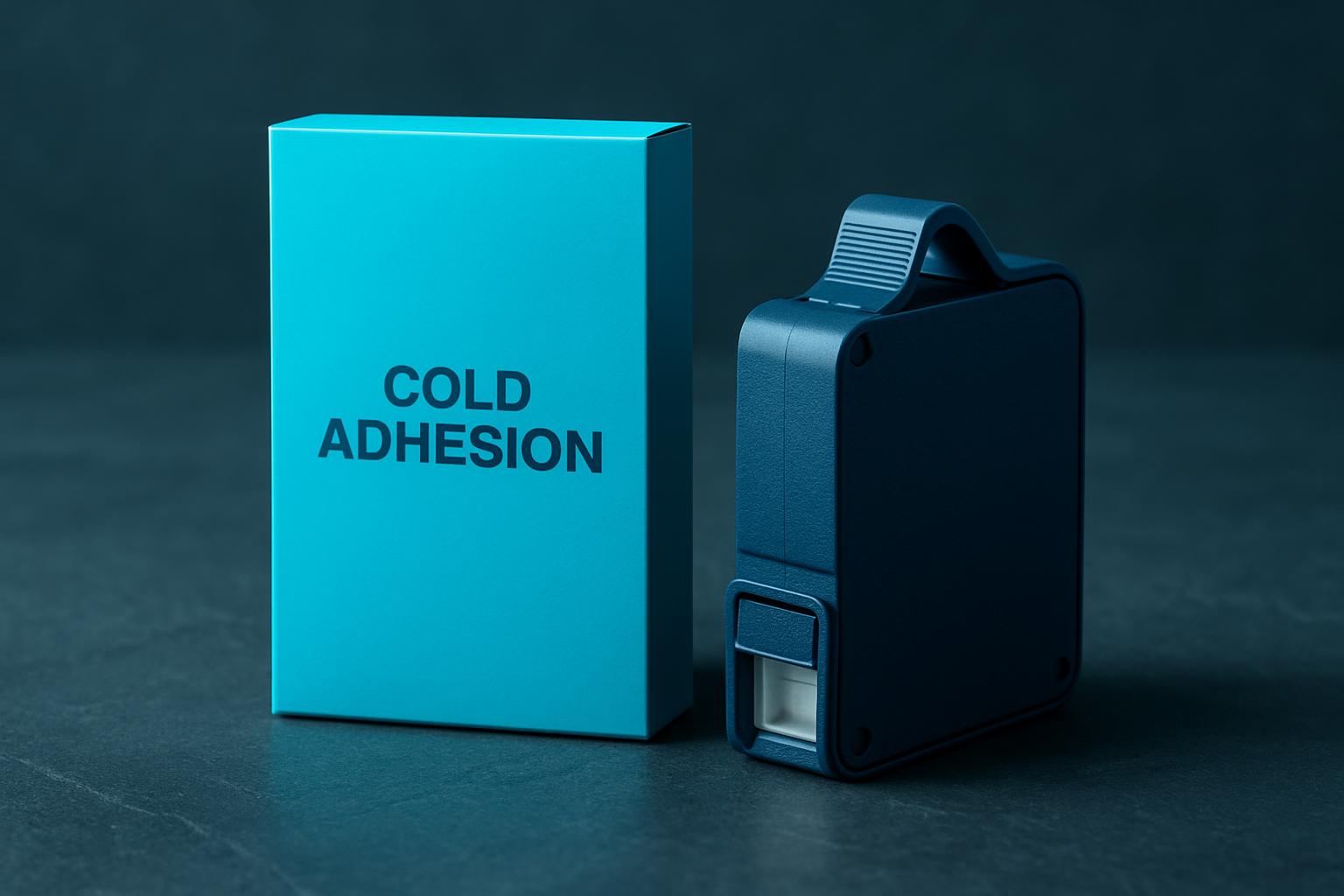
Cold Adhesion is our specialist ink cartridge for printing on chilled surfaces, like polystyrene, lined foil, plastic wraps, and coated cartons fresh from the cooler. Standard inks often bead or smudge when cartridges meet condensation or cold touch. Cold Adhesion sets cleanly so your mark stays visible through the handover, the chiller tunnel and the trip to dispatch. If your team packs at 4 degrees or stacks cases where condensation forms, this is the cartridge you need, not the usual Outdoor UV, Soft Film or Black Fast-Dry packs.
If you bag, wrap or tray-pack chilled products, from dairy and ready meals to cut flowers and seafood, Cold Adhesion helps your coding survive fridge runs and cold air. It suits mobile teams who code on arrival at grocers, or lines where condensation fights every mark. However, it is not for outdoor bulk timber, oily steel, or high-gloss promo work. For timber, try Wood Pigment. For greasy or oily packs, see Oil Tolerant. If your application is mainly paperboard or dry flexible film, the Water Clean or Soft Film types may last longer. Always check which device takes the cartridge, email us if the bay shelf runs mixed models.
Chilled rooms near Durban coastlines, Bloemfontein municipal halls, or Bloem packhouses all face the same struggle: water on cold surfaces. When the morning shift lifts product from the cold store, standard ink marks lift, blur, or even vanish. Cold Adhesion bonds fast on a damp touch, surviving the transfer from your chiller to a bakkie or truck. We see these packs last from the production line to the municipal tender delivery, without extra reworks for failed marks. Our own Midrand coding bay uses Cold Adhesion on demo cartons pulled from the fridge before site visits.
A Gauteng cheese packer codes product inside a walk-in chiller at 3 degrees. Marks from a regular black cartridge blurred by noon, after the cartons sat in condensation. Swapping to Cold Adhesion, the team wiped down the handheld nozzle, loaded the new cartridge, and printed a batch of barcodes onto PE-lined cartons. The marks dried without beading, stayed sharp as stock went to the loading bay, and survived a full delivery run to Polokwane. No more relabelling needed before dispatch.
We give better advice when you send clear photos of your substrate, show the typical carton, film, tray or board, plus a mark if you have tried another ink already. Mention which handheld device is in use, and the coldest temperature the product faces. If you manage several models or have a mixed coding fleet, list them in your email. This prevents sending the wrong type when power cuts delay normal swaps.
For swaps in a busy production area, log each cartridge on your bay card, store upright away from direct sunlight, and keep chilled, outdoor, and promo packs separate on the shelf. One overlooked step can mean a wasted shift or late delivery.
Leaving a half-swapped cartridge in a shared machine can clog nozzles or result in a dry start for the next operator. Always finish cartridge swaps before starting a new template. Do not mix Cold Adhesion with fast-dry or water-based packs in one device cycle. Batch mixing leads to weak marks and more supply calls. Store packs away from Highveld sun and coastal damp to keep shelf life steady. For more substrate-specific tips, browse Codes notes or review Cartridges for comparisons. If unsure, book a demo at our showrooms and bring a sample pack for testing.
Verified Google reviews