12 Sep 2026
Batch coding before dispatch keeps every box traceable, even when the van is loaded at sunrise. Here’s a repeatable routine for coding leads and bays.
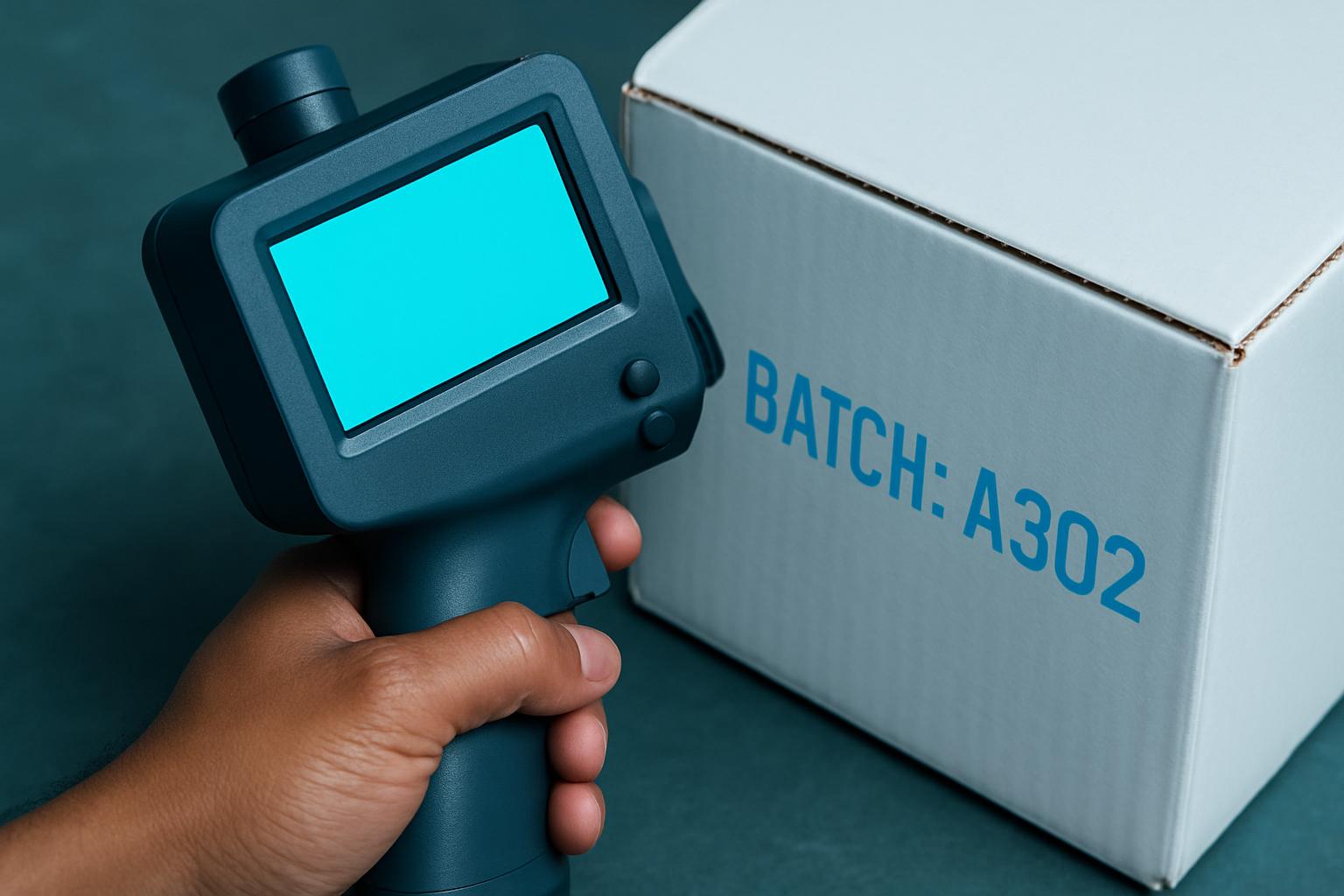
South African teams with fast-moving goods, changing cartons and early van calls know how easy it is to miss a mark under pressure. This process is for warehouse leads, coding bay operators and mobile packing crews who need to keep every SKU batch marked, even when the bakkie is idling and paperwork is stacked. If your product mix or dispatch routine changes every week, or you rotate devices between crates and cartons, you need a system that holds up at 06:00. Those who run only fixed line coding, or never swap cartons, will not need this routine, best to skip to Font size on crates or Carton aisle marks that stay readable instead.
From Germiston to Gqeberha, most mornings start with a substrate check, quick cartridge confirm and a first mark photo before the crate is sealed. You walk the bay with the shift lead, match the day’s substrate on the card and store a phone snap of the best early code. Outdoor UV shifts call for a walk along the yard’s sun path. Cold store runs split wipe tips from template loads to avoid condensation streaking a full batch. Freight and pharma teams add a quick template quiet test before loading. Every exception goes in the log, not on the next operator’s sleeve.
When a power cut hits, the window to swap cartridges or templates tightens, so we always compress checks to fit the mains schedule. On weeks with soft carton switches, freezer rooms or export handling, the bay lead checks the spare pack and hands over with a clear one-liner.
It’s 05:45 in Midrand. The coding bay has fresh cartons for a last-minute promo. The operator checks the substrate on the bay card, loads the morning’s cartridge and prints a batch code. He or she takes a photo of that mark, stores it with today’s date, and logs that the carton is a softer board. The sun is up, so the team walks the crate yard to check UV visibility. A condensation risk is flagged, so the wipe tip and template get prepped separately. A quick spare cartridge check before the aisle opens, and a one-sentence note is ready for the next lead.
We deal better with one clear email than a chain that buries what’s actually on the box. Before you send a message through our contact form, make sure the following are ready. You don’t need to write a novel, just keep each item clean and the mark visible in photos.
If you need device specs, check Devices. For cartridge queries, start on Cartridges to match the substrate. The Showrooms page lists bays where you can see marks in person.
The biggest traps are rushed substrate swaps, no mark photo, or logging exceptions on scraps instead of the shift note. When someone brings a new carton halfway through the morning, never create a new coding process mid-shift. Always check the cartridge condition after handling in Highveld dust, and double-check water-based marks if you’re on the coast, Durban’s humidity scrubs codes faster than anyone likes. Forklift handlers at Isando may load from odd angles, so band height matters. If you ever need a checklist for power-cut interruptions, see Power-cut restart cards.
It’s best to finish all checks before decorative or sample work. If the power cuts, protect the checklist first, don’t rely on memory once the bay is busy.
Verified Google reviews