14 Jun 2026
Get crate labels right for South African yards, from bakkie readability to sun and condensation checks.
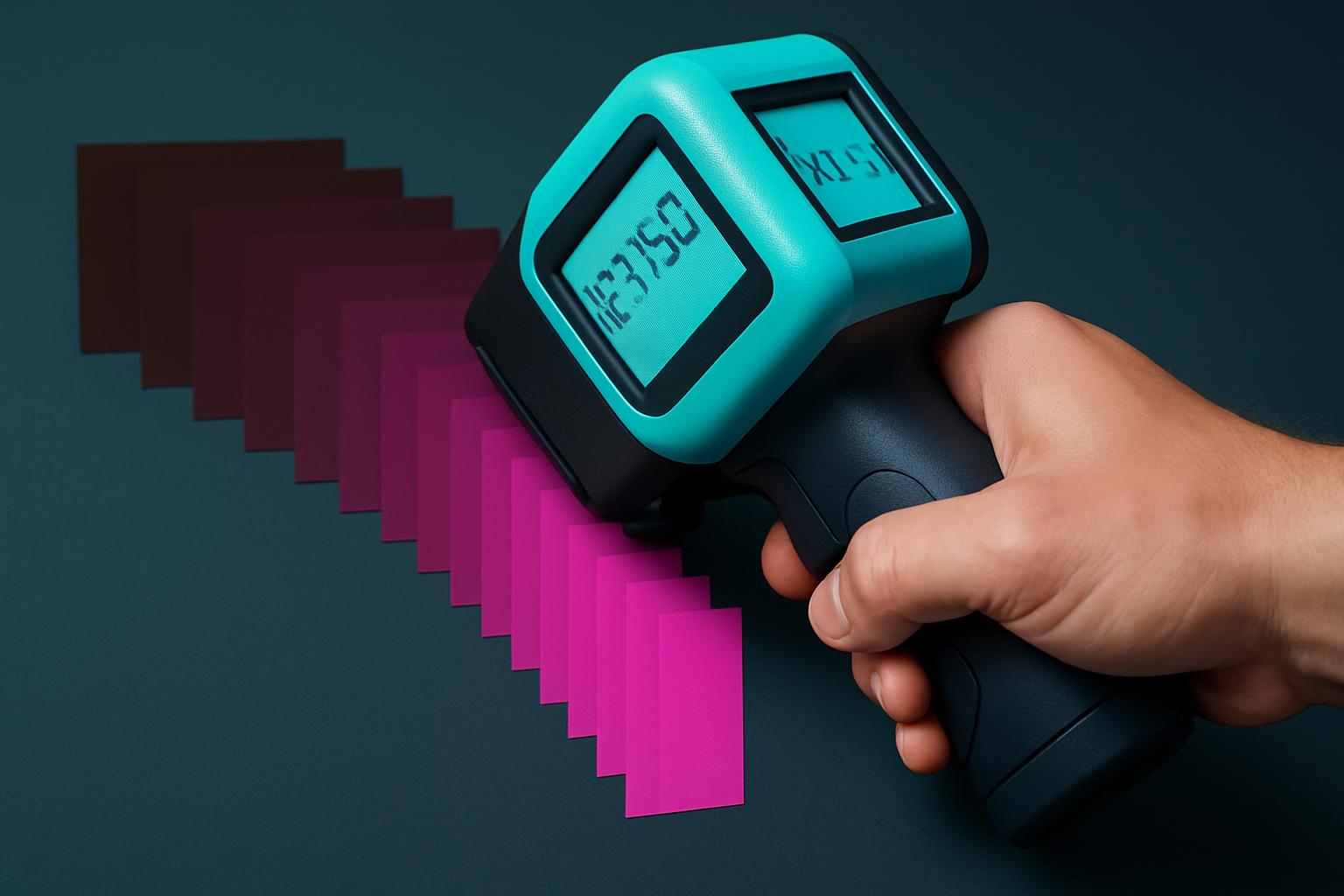
Font size on crates is a real concern for operators working outdoors, in mixed weather, and under pressure to load pallets before another power cut. A mark that looks big enough on a sample panel might disappear when a forklift driver has to spot the code through warehouse glare or Gauteng dust. The right font size means fewer double-checks, fewer phone calls about missed SKUs, and less wasted time in the yard. We wrote this for crews who already own a handheld coder and need to get usable marks onto wood, carton or plastic crates before the next shift starts, not for buyers speccing out a new device.
Yard crews, coding leads, and field teams marking crates for visibility from a bakkie or up on a tail lift will find these notes specific and repeatable. This advice fits best for operations where labels must survive dust, sun, or damp in Highveld and coastal yards, and where bottle-necking the workflow for perfect presentation is not an option. If you mark only for controlled, indoor picking rooms or tiny packaging units, font size is less of a risk so start with a template review, not this checklist. Anyone still in device selection mode should read our Devices guide first.
On a real floor, you confirm the substrate (timber, plastic, or carton), load the right cartridge, and mark a sample crate with your target font size. The first good mark is photographed and stored with the shift date. In a timber crate operation on the East Rand, for example, the lead runs a test mark at 20 mm text height and checks the legibility from a bakkie window. If sunlight or reflection causes trouble, the font size is tweaked. If water-based ink is used near Durban, the mark is checked after 30 minutes to see if humidity has smeared the edges. All these details are kept on the bay card and handed over before lunch.
A crate line near Midrand handles pine crates for palletised goods. Operators use a portable coder with pigment ink. At 06:15, the lead confirms pine substrate and swaps in a high-contrast black cartridge. The first mark is set at 18 mm font height. The lead takes a photo of the code from the bakkie door, checks against the shift card, and logs it. By noon, Highveld dust starts settling, so nozzle care is added to the routine. The shift handover includes the photo, cartridge batch, and a note about midday glare. When a new carton arrives unexpectedly, the team does not lose time inventing new checks, they log it, store the result, and send a message through our contact form if the mark fails visibility on the new material.
Before sending your question or report, collect clear details so our team can offer specific advice. Photos taken at typical reading distance matter more than descriptions. Include the substrate type (timber, carton, plastic), intended reading distance, time of day, and whether the crates are stored indoors or face direct sun. Mention if your mark must survive condensation, as in cold stores, or heavy abrasion through repeat handling. We respond best when you send the photo and context in one go, not as a drip-feed over days.
Font size errors on crates usually trace back to mismatched expectations at shift change, rushing template edits, or losing the only walk photo. Forgetting to re-check after a carton swap or ignoring substrate changes is the fastest way to confuse a forklift crew and cause relabelling later. Another common miss is not consolidating cartridge and template checks during power-cut windows, which raises scrap rates. Keep your process tight. Lock your template for pharma lines (template lock details), and check nozzle care steps (nozzle care in a loud week) if you see drift or clogging mid-shift.
Verified Google reviews