08 Jun 2026
Secondary pack rooms near offices or quiet bays need simple, low-noise marking steps.
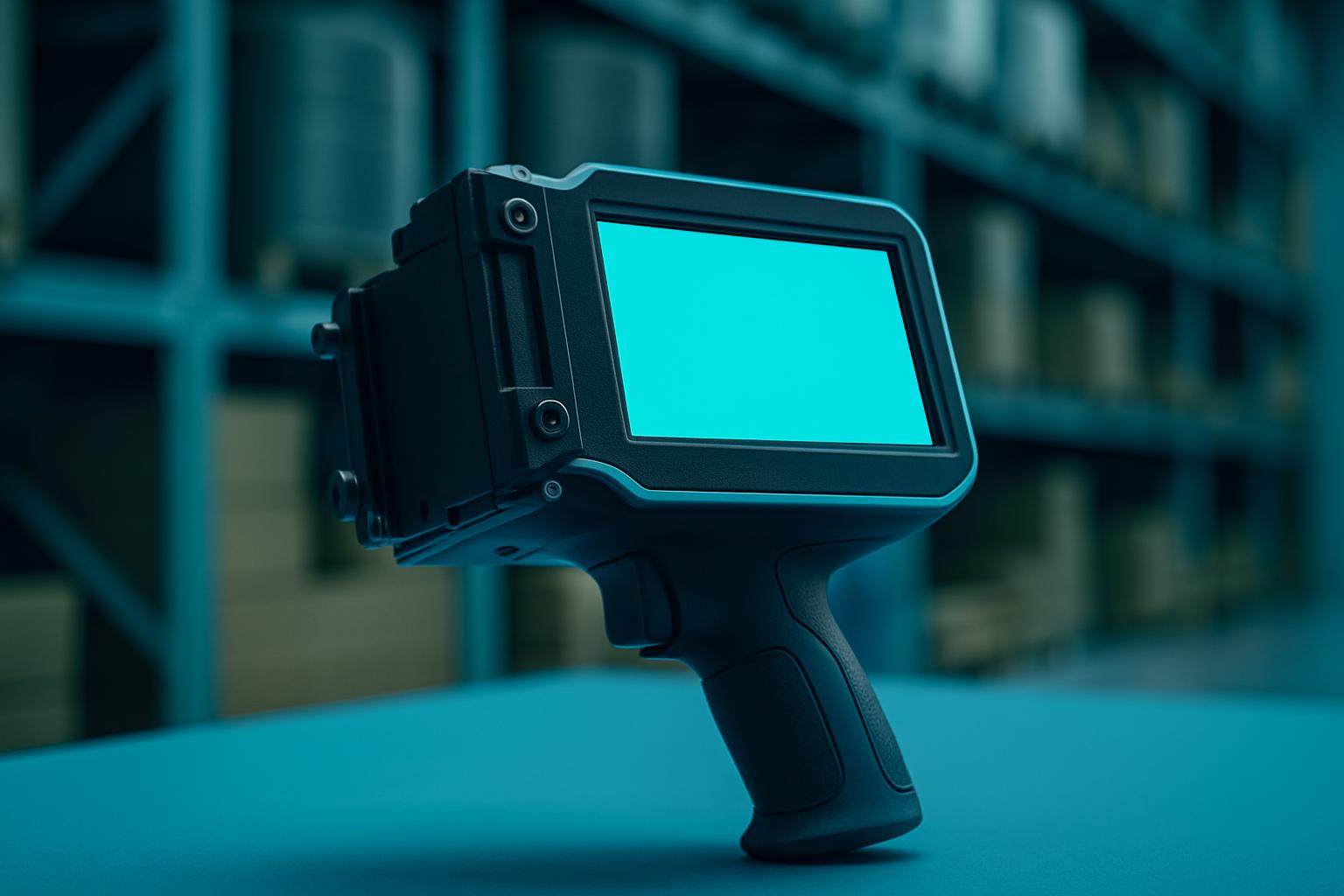
Marking secondary packs in South Africa often happens in tight spaces, sometimes with offices or boardrooms right next door. A quiet coder makes a real difference, especially for pharma, cold chain, or export lines that need clean batch marks but cannot run noisy conveyors or high-impact stampers. Successful teams keep cartridge swaps calm, templates locked down, and exceptions recorded in a way that anyone can repeat at 06:00. The less drama there is in the marking bay, the more predictable the shift will be for the next crew. This approach suits operations with nearby meeting rooms, admin teams, or regulatory staff who value a controlled environment.
If your pack room shares a wall with accounts or QA, you will benefit from quiet, cartridge-based handheld printers. These units fit best on pharma secondary pack lines, cold chain hubs from Midrand to Cape Town, and export carton checks at Isando. For rural pack sheds and noisy farm crate yards, noise is less of a concern, UV durability and dust resistance matter more. Teams running sealed or steel-walled container bays can prioritise mark clarity over noise. Large-scale bottlers or plastics plants with existing fixed coders may not need handhelds except as backup or for seasonal extra lines.
Begin each shift with a clear deck. Walk the floor, check the surface you will code (carton, foil, or plastic), and ensure the right cartridge is loaded. Take a photo of the first good mark and note the substrate and target height on your bay card. If you need to change cartridges or update a template, log one line in the handover register. Always keep the spare pack checked before anyone opens the aisle. If you expect a cold snap, manage condensation by loading templates before a wipe, not after. During power cuts, compress both cartridge and template checks into one power window.
Any exceptional cartons, new substrate, print drift, or UV issues, should be logged and flagged to the next shift lead. Teams prefer short emails through our contact form over long chains that hide the problem. For more on adapting to local conditions, read our coastal damp carton marks and font size on crates notes.
At a Midrand cold chain site, the secondary pack room borders the operations office. Each morning, the shift lead checks the bay card for substrate and target. The operator loads a black, water-resistant cartridge, prints a test mark, and photographs the result. Any change in carton thickness is entered in the log. A carton sample from the export QA gets one test print, which is logged and reported through our contact form if there is drift or smudging. Condensation from the night’s chill is separated from the coding area to stop wet tips. At noon, the lead hands a ready sentence to QA: “Lot code and date locked, none missed, one smudge on sample B.”
The afternoon faces a power cut. Cartridge and template checks are rushed into one block before the inverter gives up. No new substrate fields are improvised, the process sticks to what was logged that morning.
Teams that get clear guidance include a photo of the first mark, the current cartridge code, the substrate type, and any exception noted in the log. If a carton or label feels different, mention this. List your cold store or outdoor handling if relevant. Ms Rushda Majiet and the team can assess the issue properly when the email is to the point and includes a date-stamped image. Find extra field advice under fields and cartridges.
Do not create extra mark fields mid-shift due to new carton samples, stick to the logged template. Mixing wipe and template steps in cold rooms can raise scrap rates. Skipping the first mark photo makes it harder to trace substrate problems when a batch comes back from export. In power cuts, always protect the checklist and push all checks into the earliest power slot. Avoid long email threads that hide which carton went wrong; a single, labelled photo works best.
Verified Google reviews