12 Aug 2026
Template lock keeps expiry layouts steady for every pharma shift, so lot codes run clean even when cartons or cartridges swap hands. Here we detail the practical steps and typical hazards South African teams face.
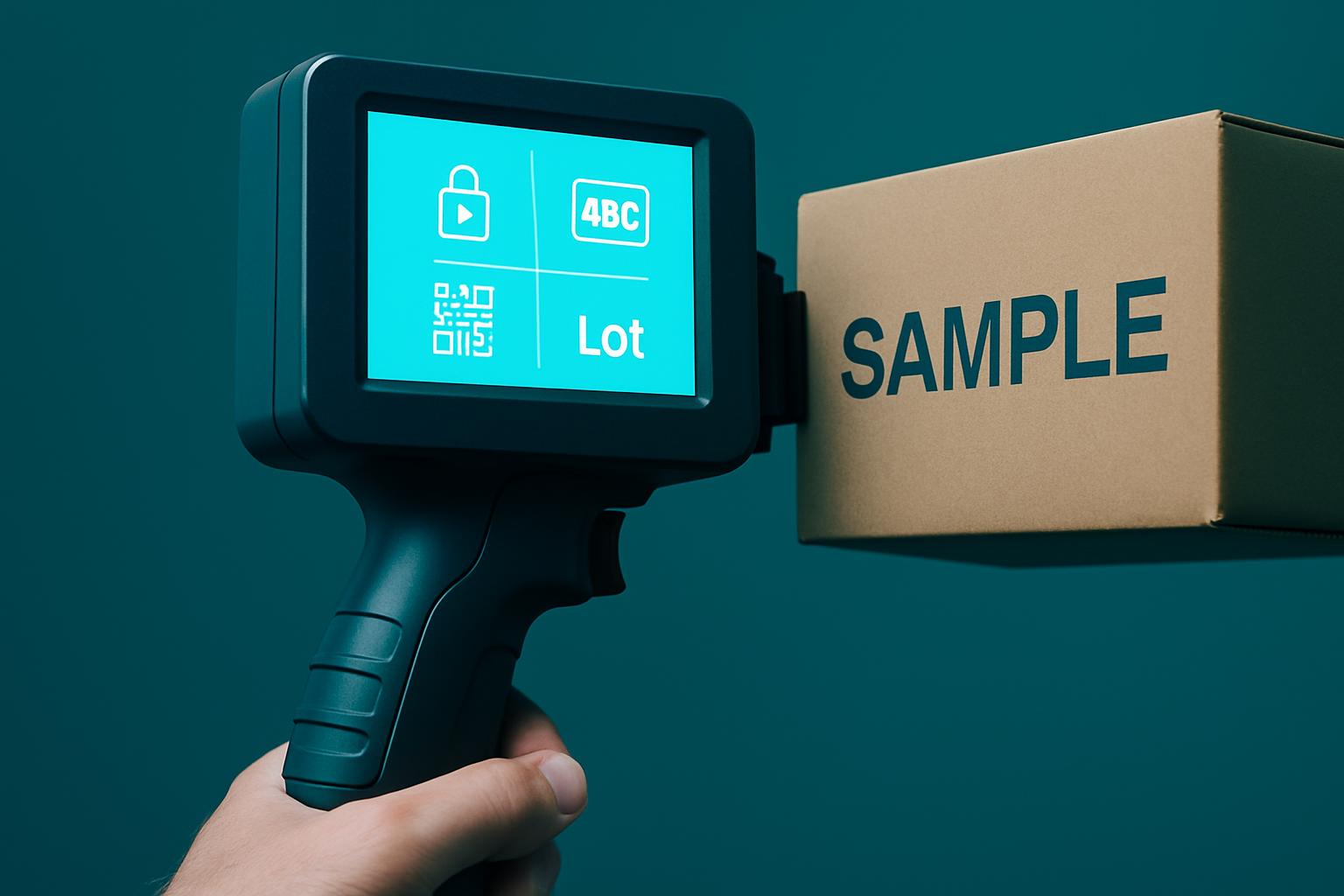
Template lock is the process of holding a fixed expiry or lot marking layout through an entire shift, regardless of how many times you swap operator, cartridge or carton. In fast-moving pharma and cold chain rooms, it cuts out the risk that someone silently tweaks a field or adds a digit when loading a new batch. For South African marking teams, whether in a Midrand cold store, a Gqeberha packing line or a Bloemfontein crate yard, template lock stops subtle errors from slipping onto cartons under pressure. Without this, it only takes one missed line handover for a morning’s output to lose compliance paperwork or need rework.
Template lock suits any floor where changing staff, cartons or cartridges during a shift is routine, and where incorrect expiry or lot marks would force scrapping or repackaging. Coding leads in pharma, vaccine storage, contract packing or medical devices see the biggest benefit. If your team works from a single table, marks only primary packs, or every shift has the same operator from first to last box, template lock may be less urgent. Mobile crews, cold stores with frequent power dips, and export teams working with bilingual cartons often cannot afford to skip it, the risk is too high. If you only run promo colour swaps without mess or simple timber marking, this system may be overkill.
On the floor, you load a pre-set marking template onto your handheld printer at the start of shift. You lock the expiry and format, so even if you swap cartridges or pause for power cuts, the layout remains frozen. Every first good mark is photographed and logged with the shift card, using your team’s usual phone or tablet. When you change substrate, from foil sachets to cold cartons, for example, you confirm the template is still loaded and mark the change on the bay card. If outdoor UV or cold chain is in play, the lead takes an extra walk to check for condensation or sun-strike affecting code quality. If anything unusual happens, power cuts, a surprise carton sample, or a cartridge swap outside routine, you log it as an exception in one line, so the next lead can see what changed and why. For more detail on UV, see coastal damp carton marks.
The Gqeberha operator starts her shift with a handheld printer already loaded with a locked expiry template for a flu vaccine batch. Substrate is chilled cartons. She confirms the correct cartridge and takes a photo of the first good mark with the shift date. An hour in, a power cut interrupts. When the backup comes on, she checks that the template is still loaded and that the wipe tip is dry, as condensation could blur the next code. Mid-morning, the foreman brings a new carton supplier’s sample. The operator logs this as an exception before marking it and waits for the all-clear. At handover, she gives one sentence for the next lead: ‘Template locked, cartridges checked, one exception, new carton sample at 09:40.’ The archive now has a clear chain if a batch fails audit three weeks later.
Before emailing us about template lock, prepare a short scenario: your usual substrates, how often you swap cartons or operators mid-shift, sample expiry layout, and any history of carton confusion or misapplied codes. If you have power cuts in your area or run in high humidity, mention this. It speeds up our advice if we can see photos of your marks or handwritten shift cards. If you already use a shift checklist, include a scan or screenshot. Send a message through our contact form with your questions.
Unlogged exceptions, silent template tweaks and unsynchronised cartridge swaps cause the majority of pharma coding issues in South African warehouses. Documenting every field change, logging the first mark, and not inventing new templates mid-shift will save both cartons and paperwork. Compress template and cartridge checks into one window during short mains power slots. Train each shift to hand off one clear sentence at end of run. For quiet secondary pack rooms, see quiet secondary pack rooms for related advice. If you lose track, or a scrap rate spikes after a carton change, email us for floor-based troubleshooting before the next dispatch leaves.
Verified Google reviews