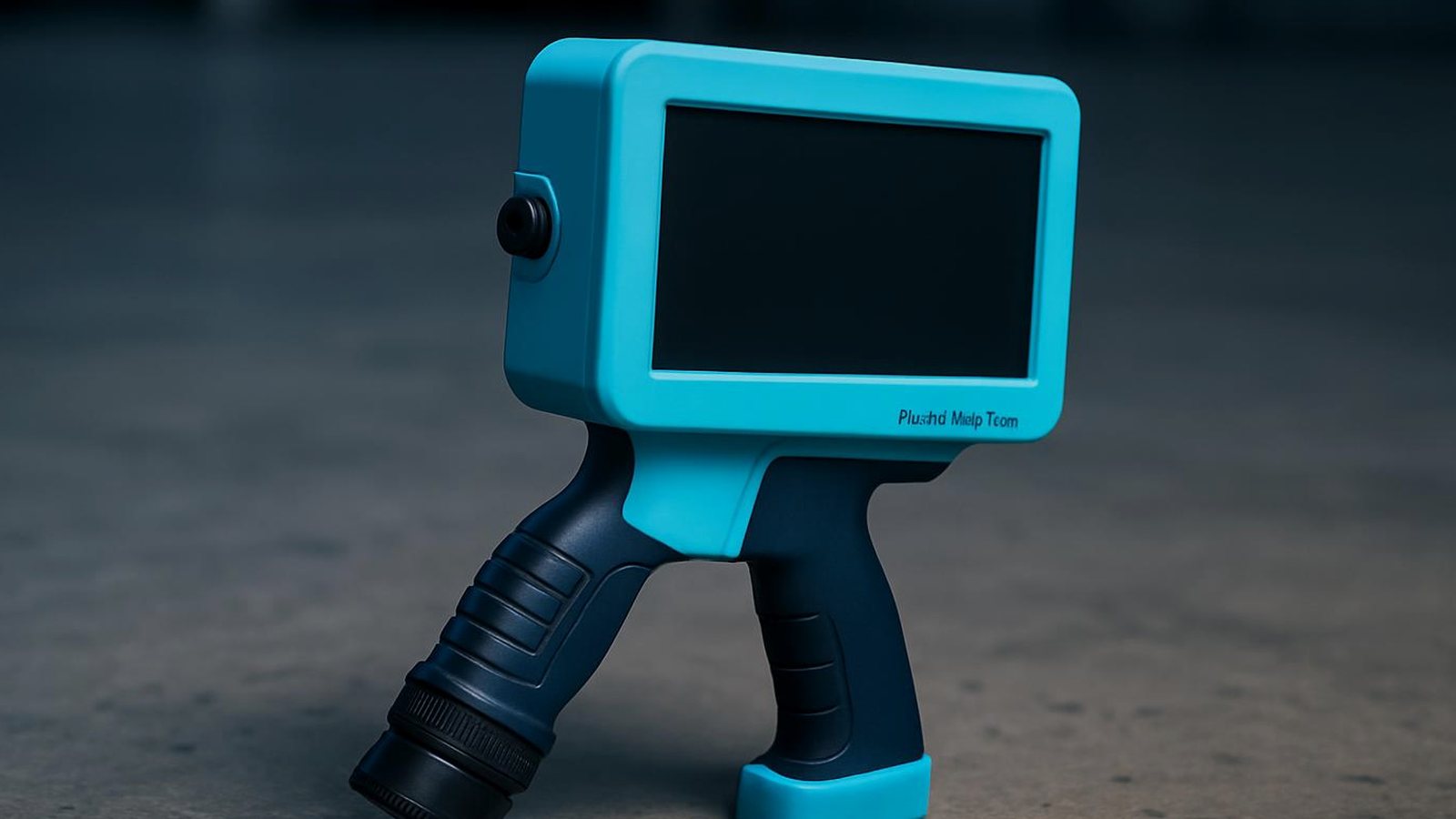
| Ink / cartridge | Low-temp adhesion cartridge |
|---|---|
| Print / walk | 12.7 mm · condensation wipe tip |
| Power | Cold-rated pack |
| Typical fields | See Fields paired to this device |
Use the contact form if you want a sketch for your bay layout.
ColdChain Mark process is built for South African cold stores, mobile pack bays, and any dispatch area where a fixed coder cannot reach every chilled SKU before the crate heads out. It suits operators who have to mark boxes quickly on the move, with condensation forming and time running short before shift change or power cuts hits. This process uses a portable coder with a cold-rated cartridge and a workflow designed for the short walks, wet substrates, and noisy aisles found in Midrand, Gqeberha, Durban or Bloemfontein’s temperature-controlled facilities.
If your cartons, foam trays, or timber boxes move through chilled rooms and marks must stay readable despite moisture and cart vibration, this process is for you. It is not for ambient warehouses with dry stacks, or for lines that can lock in a static coder for every shift.
Each coding round starts with your operator loading the template, confirming the correct cold-room cartridge, and wiping the print head. Condensation is expected, so we include a wipe tip for the 12.7 mm head. After marking the first carton, operators must photograph the first clean, dry mark before the aisle noise or a hand truck makes it hard to check. The workflow fits local rhythms: short cold-room walks, fast crate swaps, and interruptions from noisy plant gear.
On the Highveld, we see cartons moving through export tunnels in Isando on winter mornings. In Cape Town, humidity can challenge ink adhesion by mid-day. ColdChain Mark process is set up for cross-town routes, quick field swaps, and unpredictable municipal paperwork. We keep the instructions short so your team can still code cleanly when the line manager swaps the template mid-hour.
A team in a Germiston cold store needs batch codes on 200 chilled cartons before noon. They start by loading the day’s batch template, check the cold-rated ink cartridge, and wipe the print head for condensation. On the first carton, the operator prints, waits five seconds, and photographs the mark to log it. When a new carton type arrives halfway through, they note the walk height change and pin a quick note above the bay. By 11:45, all marks are dry and legible before the bakkie driver loads the crates.
If the mark smears or the code does not cure, the operator checks the walk path and swaps to a fresh cartridge. No one consults a thick manual or waits for head-office feedback. The process is built for what goes wrong and gets your team back on track before SARS paperwork or the next delivery queue.
Before using our contact form, have these details to hand. This helps us recommend the right setup, template, and ink, and gives us a reference if anything stalls mid-shift. If you already use a cartridge, note which type and any challenges you have seen in your bay or field.
Our team sometimes asks for a photo of the substrate or walk area to match the process correctly. Quick details about your line, walk speed, and shift setup can save time when pairing your device and field.
Many South African coding shifts run late when marks get rushed, or details are not logged the moment cartons change. Forgetting the first good mark photo leads to confusion if a code smears halfway through the round. Mix-ups happen when the cartridge is not cold-rated or the template does not match the carton field.
Operators also skip the head wipe when aisles fill up or pressure builds to keep moving. These shortcuts mean more rework during busy weeks, especially in coastal plants with high humidity. Stick to the check card, log walk height changes, and take that first photo without fail. The ColdChain Mark process is practical, not theatrical, built for people who will not stop to read forty pages when a line is moving.
For more on how ColdChain Mark can fit your setup, see our ColdChain Mark device page or the service options. Learn about compatible cartridges and explore other device matches under Devices. For workflow matching, review Fields or check the language under Codes.
If you need a bay sketch or face a new challenge with chilled marks, send a message through our contact form. Our Germiston team answers operator questions most weeks.
| Ink / cartridge | Low-temp adhesion cartridge |
|---|---|
| Print / walk | 12.7 mm · condensation wipe tip |
| Power | Cold-rated pack |
Verified Google reviews