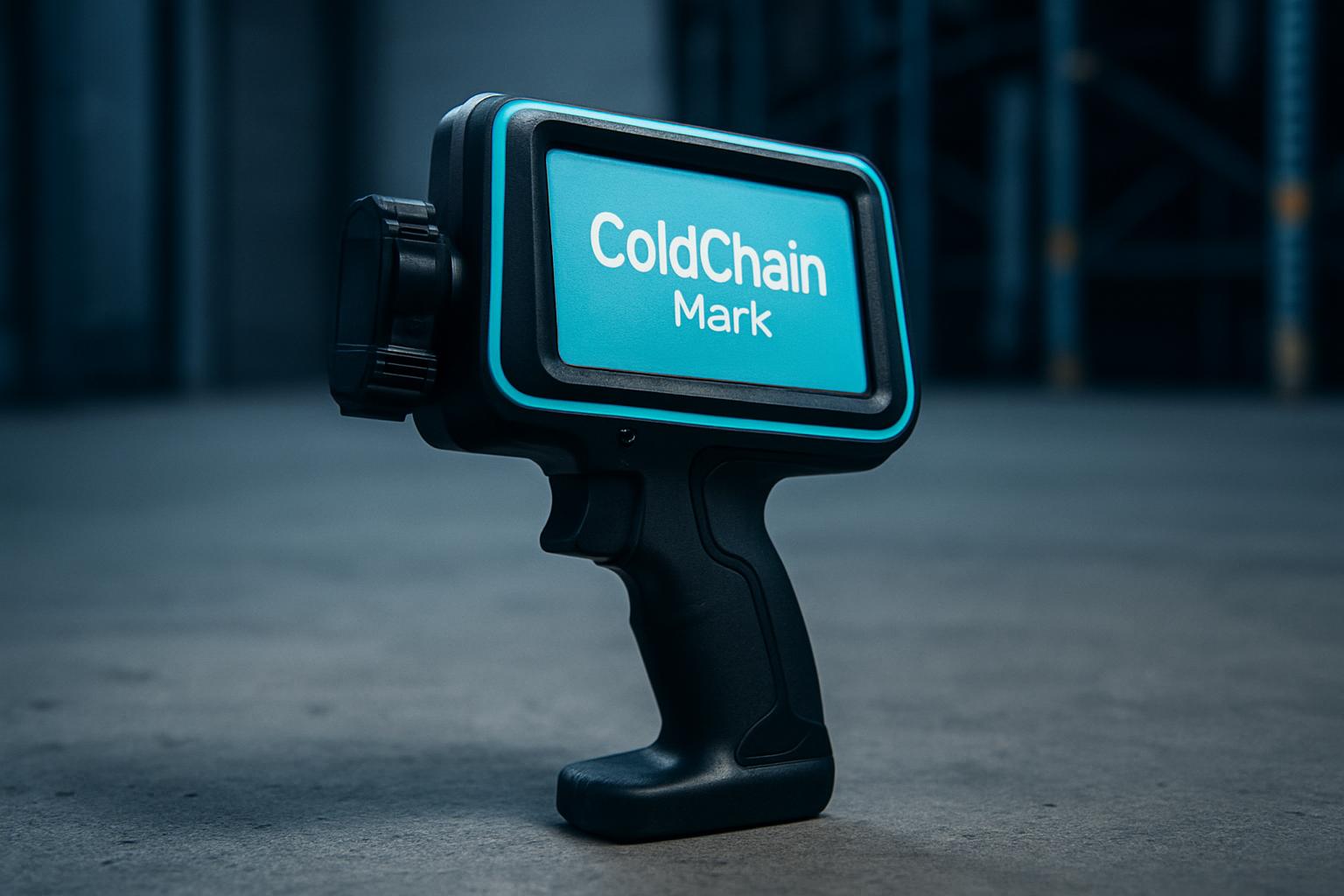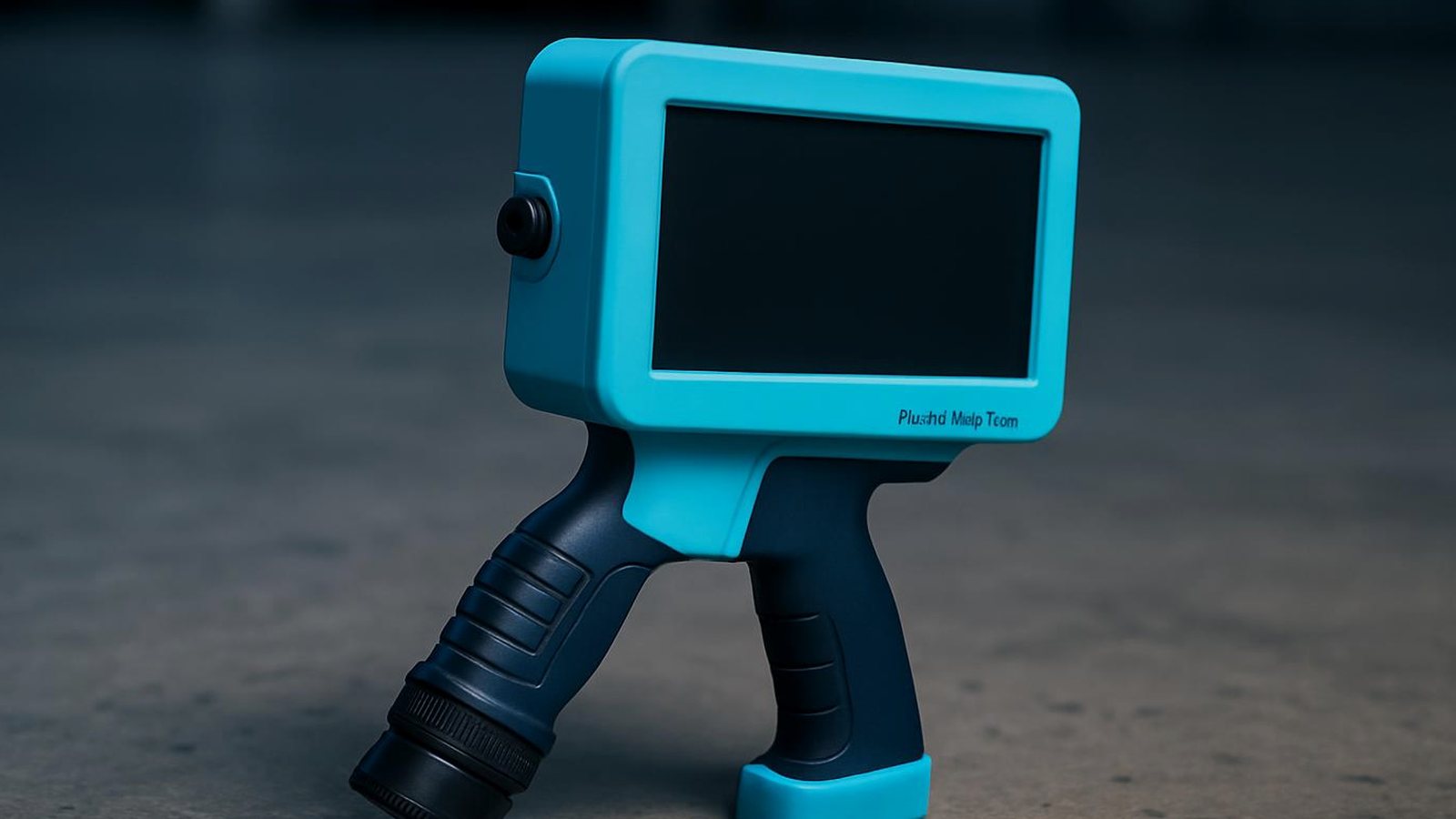
ColdChain Mark is our handheld coder for South Africans working in cold stores, walk-in chillers, and dispatch lanes where condensation collects on cartons before the truck rolls out. If your morning starts with iced-over sleeves and ends with paperwork for Midrand or Durban, this is the tool that keeps your marks clear and your batch records accurate. Fixed coders often fall short when walk paths are short, teams move fast, and not every carton follows a perfect line. ColdChain Mark keeps up with the real pace: no fuss, no sticky templates, just coded cartons ready for the next load.
This device suits line-side operators marking export batches on cardboard, polystyrene, timber, or barrier films during Gauteng's hottest weeks or coastal cold snaps. Operators in municipal stores, farm packhouses, and food service rooms get practical results without needing to page through manuals or adjust a dozen settings. If you are working with oily steel, soft foams, or highly irregular substrates, we help match you to the right ink and cartridge from the start.
ColdChain Mark thrives in busy chiller aisles, short cold-room walks, and small team operations that cannot stand around waiting for a fixed coder or a visiting contractor. It is the right fit for bakery dispatch after 4 AM, meat plant chillers in Bloemfontein, or warehouse bays in Isando when the bakkie needs a mark before sunrise. It handles condensation, quick aisle swaps, and template changes mid-shift.
It is not built for extremely high-volume automated lines, non-stop wet floors, or industrial surfaces like oily steel unless paired with the right cartridge and ink. If your operation requires codes on timber or foam at crate yards, Timber Batch or FieldPath Mini may better suit those field paths. If you need large prints for crates, look at CrateCode XL. We always match tool to floor, not the other way around.
The most common shift begins with the operator loading the handheld, checking the template card pinned above the dock, and running a quick test mark on scrap carton. The first good mark gets photographed, no exceptions, so the team has a reference if the line needs a restart or a supervisor calls at 5:40 AM. Most teams run Midrand hubs, Isando export weeks, or Polokwane crate yards using this habit.
The operator selects a template for the specific batch, checks the cartridge (especially if it is a shared fleet), and confirms the mark against last week's notes. With a single trigger press, ColdChain Mark prints batch numbers, dates, or short product codes at the speed you actually walk, not the speed an engineer imagines. If you work in an environment with Highveld dust or coastal humidity, the device is designed to wipe down easily and hold its mark, not fail halfway through a shift.
At a logistics centre near OR Tambo, a team has 600 cartons to code before the first export truck leaves at 7 AM. Each carton gets a batch code and pack date to meet the consignee's booking policy. The shift lead loads the ColdChain Mark with the right cartridge for carton stock, checks the batch template card, and asks the first operator to do a test mark on a spare carton. They snap a photo of the result, file it with the shift handover, and run the full batch with two quick cartridge swaps. There are no missed marks or WhatsApp scrambles. When a supervisor from dispatch asks for proof, the photo is ready. The device is wiped down and left on charge for the next team. This process keeps the workflow honest and calm, even during a power cut.
To help us match the right ColdChain Mark setup to your floor, please prepare the following before you send a message through our contact form. A quick photo or two of your substrate and a line note will save time and cut email rounds. We do not ask for long specs, just the basics your team lives with every week.
If you are unsure which cartridge you need, see our cartridges catalogue or ask which device suits your field under Fields. We will check your walk speed, not the warehouse average, and point you to the best fit.
Some teams rush the first test mark and skip photographing the result. That is the fastest way to lose track when a power cut resets your templates. Never rely on memory, file the first good mark. Cartridge types swapped between products can cause smudges or faint prints, especially if someone grabs the wrong pack after lunch. Always check the cartridge matches both the substrate and the template card.
If your walk path regularly moves between chilled and ambient areas, condensation may build up and affect print quality. In that case, mention it in your email. For challenging substrates, the InkCell Soft cartridge can often fix the mark. Teams that code both crates and cartons should consider a Care & Spares Kit to keep shifts running across changeovers. If your marking task changes week to week, see our Codes notes to align your language with the right device.
| Ink / cartridge | Low-temp adhesion cartridge |
|---|---|
| Print / walk | 12.7 mm · condensation wipe tip |
| Power | Cold-rated pack |
Verified Google reviews