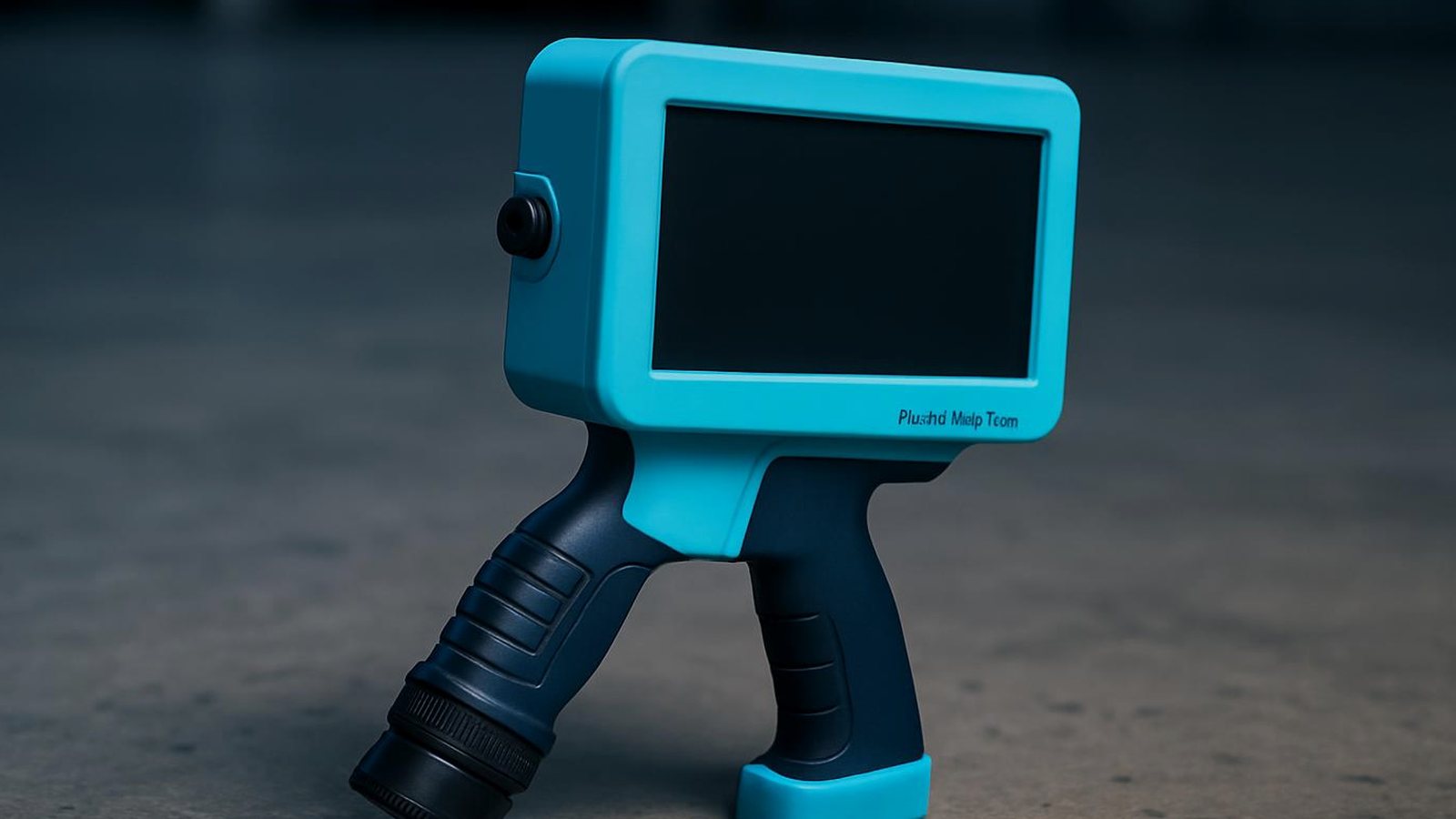
ColdChain Mark service is built for South Africans who code at the pace of their shift, not the pace of a boardroom. This care programme supports portable coders in places where fixed machines or print rooms just can't reach every crate, carton or bottle before it leaves. The service suits packhouses, mobile crate yards, cold chains in Bloemfontein, food plants in Gqeberha, and anyone moving product through wet, cold or outdoor work. It does not suit those looking for back-office automation or a fixed installation where ambient control and constant staff cover printer care.
If your team shuffles between cold rooms, open yards, and different substrates, ColdChain Mark service gives you clear routines and spares that handle South African dust, humidity or mid-afternoon power cuts. You get advice and tools that suit the floor's real tempo, not a one-size-fits-all corporate promise.
We keep service simple. Wipe your print head weekly, check batteries and seals monthly, and review your spares each quarter. Outdoor casings need dust flap checks after a week of Highveld winds. Soft film print heads wear faster when you swap foam SKUs. If your walk path changes, or marks start to smear in a cold room, we help you match care to the job.
Pair your device with a Care & Spares Kit for a quarterly pack. Pin the short care card above your dispatch bay for any operator to reference after a shift. If a nozzle looks tired, tell us through our contact form and we’ll say what to check before a visit.
Let us know if power shedding hits your line, so we can time calls or visits when you have mains. Tell us which substrate you mark (cartons, foam, timber, steel) and your typical shift walk path. Each detail helps us advise on a care plan or spares list that fits your actual floor, not just a brochure.
If you are starting with a new team or moving marks between substrates, mention this early. We set up check cards and care notes to prevent rework and give you the habits (like always photographing the first good mark) that prevent headaches at 05:40 when the next order lands.
A Midrand fresh produce packhouse receives citrus late Friday. The shift moves between a chilled room and a loading bay, with temps swinging between 4°C and 26°C and a concrete floor that stays slick on busy days. Your operator uses a ColdChain Mark handheld, starting each shift by photographing the first good date mark on a carton. The team wipes the print head as part of routine, checks the casing for dust, and glances at the care card pinned to a steel bracket near the roller door.
By month-end, the battery warning light triggers a check and a quick message through our contact form. Our Germiston team replies with spares availability, reminding you that soft film nozzles may need review if you’ve worked on foam trays all week. Nobody has to hunt for a forty-page manual. The job gets done, and the bakkie leaves on time.
The main issues we see are missed wipes, forgotten power checks, or marks made on an unexpected substrate. It’s easy to skip the care card or let a nozzle go uncleaned during a rush. In the wrong conditions, like Highveld dust or coastal condensation, skipped routines can mean smears or dry runs. Some teams forget to photo the first good mark, which forces WhatsApp panic before sunrise, not a calm restart.
The ColdChain Mark system is not for those who want to automate everything or who rely on one operator to run eight jobs at once. It’s about keeping the handheld matched to the job, the spares in arms’ reach, and communication easy. When in doubt, start at ColdChain Mark or jump to Fields to pick the routine that matches your week.
| Ink / cartridge | Low-temp adhesion cartridge |
|---|---|
| Print / walk | 12.7 mm · condensation wipe tip |
| Power | Cold-rated pack |
Verified Google reviews