Field
Salt air and humidity near Durban, Gqeberha, and other coastal yards make reliable batch coding a challenge. Here we detail how South African teams keep marks readable and processes tight in wet, busy conditions.

Use our contact form with the carton board and target walk.
Humidity along the coast makes product coding unpredictable. Damp cartons, condensation, and salt air at Durban, PE, and East London yards can smudge ink, fade expiry codes, and clog print heads. Floor teams need a field routine that keeps batch data clear, regardless of weather or power-cut interruptions. Coastal humidity runs suit operators who do not have time to redo missed marks after a lorry has loaded, or to fuss over ink selection when rain hits suddenly.
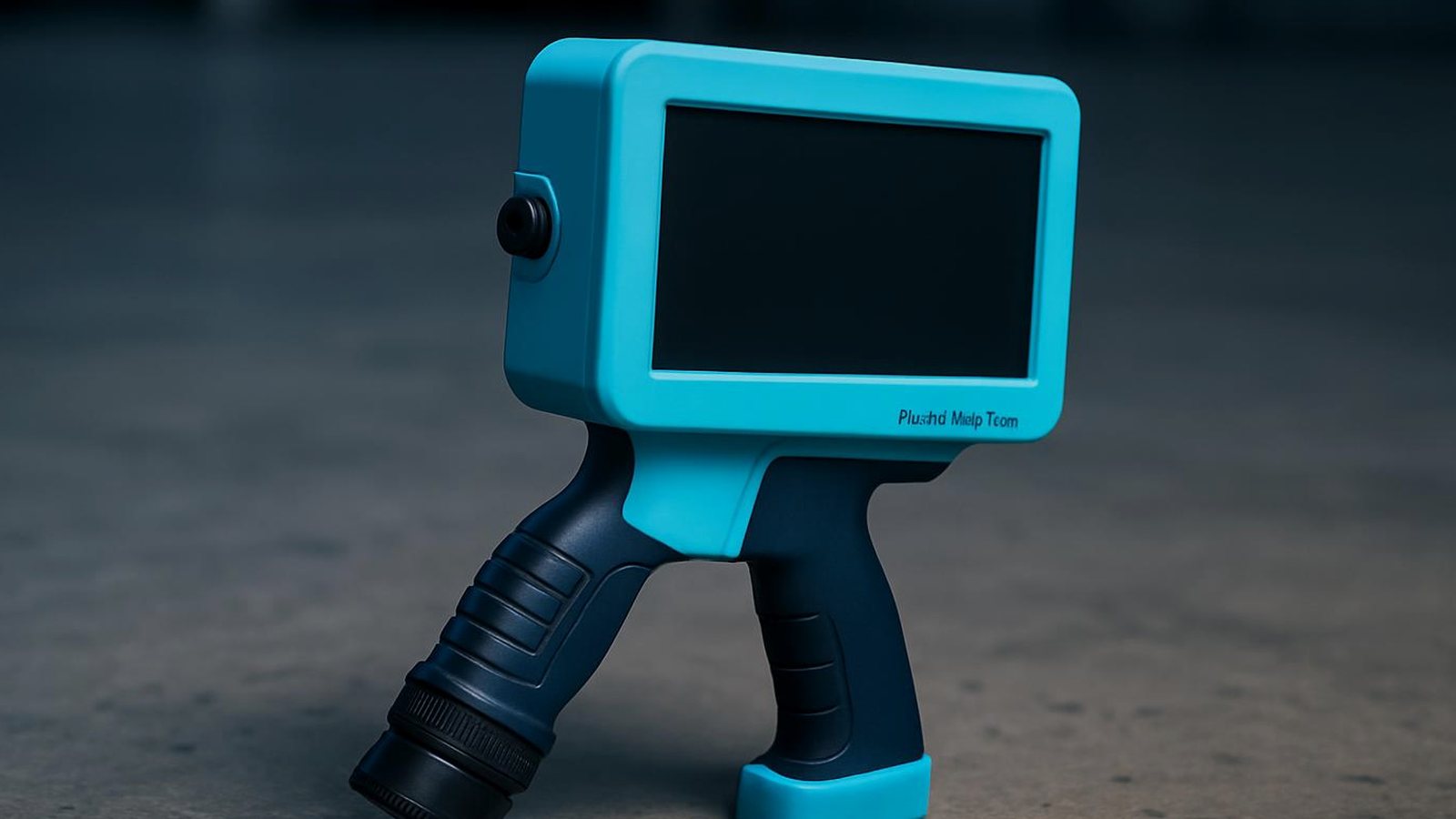
Our recommended tool for these runs is the ColdChain Mark handheld printer. It is rugged enough for wet cartons and crates, with quick-swap cartridges for different inks. The method below applies to yards, pop-up dispatch bays, and vans that seldom see the same substrate or humidity profile twice.
This checklist was made for South African businesses close to the water, where cartons or crates are handled outdoors or under leaky awnings. If your product moves through Durban Harbour, Gqeberha factories, or coastal depots, you already know the risk: batch and expiry marks that blur before the gate. Teams running mixed packaging, or with short staff cycles, get the most from this process.
However, if you only print on dry, flat surfaces indoors, or where temperature and humidity are tightly controlled, the full coastal routine may slow you down. Similarly, if your workflow needs fully automated lines or if you never print on water-affected stock, see our retail backroom or auto component fields instead.
The field sequence starts with a practical target and locks in the right tool from the beginning. Day one, the operator writes down the substrate (such as wet kraft carton in the PE loading area) and the intended walk path for marking. The team then selects the ColdChain Mark and snaps a photo of the first successful code on the actual substrate. Day two, that photo gets pinned to a field card or job sheet, visible for every shift change.
Next, cartridge and template checks run twice, once before shift and once after high humidity or rain. Day four, the team confirms if the SKU needs cold-storage ink or UV-stable ink, especially for crates left outside for hours. Day five is for scrap review and checking if another handheld may be better for the week ahead. South African crews often rush the process, but missing day two is the fastest way to send blank boxes to the gate.
A Durban dispatch team needs clear batch numbers on cartons that arrive sweaty from early-morning fog. The operator notes 'wet folding carton, Zone 2, walk path from carousel to van.' ColdChain Mark is picked for its quick ink swap. First, a test code is printed, photographed, and pinned to the weekly board. Day two, cartridge and template are checked after a mid-morning shower. By day four, cold-storage ink is loaded as half the stock sits outside in salt air until late. Scrap is tracked and any unread codes are flagged. When emailing us, the team attaches the substrate photo, confirms which steps are ticked, and lists any issues with ink pickup on wet packaging.
A focused email makes troubleshooting fast. Before you contact us, get a clear photo of the actual substrate with its visible moisture or salt streaks. Write the city and field scenario, for example, 'humid yard in Gqeberha, cartons under shade net'. Tick off which steps of the field routine are already done and note if you have already tested multiple ink types. You do not need to start the story from scratch; if you are moving showrooms or rotating teams, just list what is incomplete.
Attach a codes note if your language needs to be repeated at other sites. We send a device suggestion, codes note, and cartridge match for your setup. If you need more structured guidance or want to continue the project at another branch, see our showrooms or projects page.
Missed or unreadable codes often happen when the check card is skipped or when the first photo is left out. Decorative marketing shots do not help when batch queries come from a retailer. Teams sometimes use the wrong ink, especially after a power cut, or keep using a template that dried up from salt exposure. Always protect the field checklist when compressing steps due to power cuts, rather than focusing on presentation shots.
Handovers between branches or teams run smoother when the codes note is included and you are honest about unfinished work. If your team skips cartridge checks or fails to report exceptions before showroom hours, blank cartons and missed recalls wait at the yard gate. Keep practical routine above pretty outcomes and review the step sequence before a busy shipping window.
Verified Google reviews