Field
Handheld coding for cold store cartons needs a process that handles condensation, shifting teams and tight dispatch. We give you the field sequence, checklist and working example for reliable marks.

Use our contact form with the tray or carton and target walk.
Cold store packs cover any carton, sleeve or crate that moves from a chilled environment to the truck. Gauteng teams see condensation on the line by 9 AM, while Durban and Gqeberha fight shifting humidity. When fixed coders cannot reach every outbound carton or when the line is too cluttered for a permanent station, a portable coder becomes essential. Cold store packs suit food processors, dairy dispatch, fresh cut produce, and any operation that moves chilled goods in a hurry. The work is not for dry goods or ambient cartons: condensation and low temperatures change how ink interacts with different packaging layers.
If your cartons come straight off a cold conveyor and head for mixed loading bays, you need more than a marker pen and a best guess at batch tracking. This field is right for warehouse leads who must guarantee a readable mark on cold, damp, or glossy surfaces. Operators who frequently swap between SKUs or distribution zones see the most value. It does not suit lines where every SKU already passes through a fixed coder or where ambient conditions are stable and simple. If your team is handling export pallets or film wraps, see our export pallet marks or soft film wraps field pages.
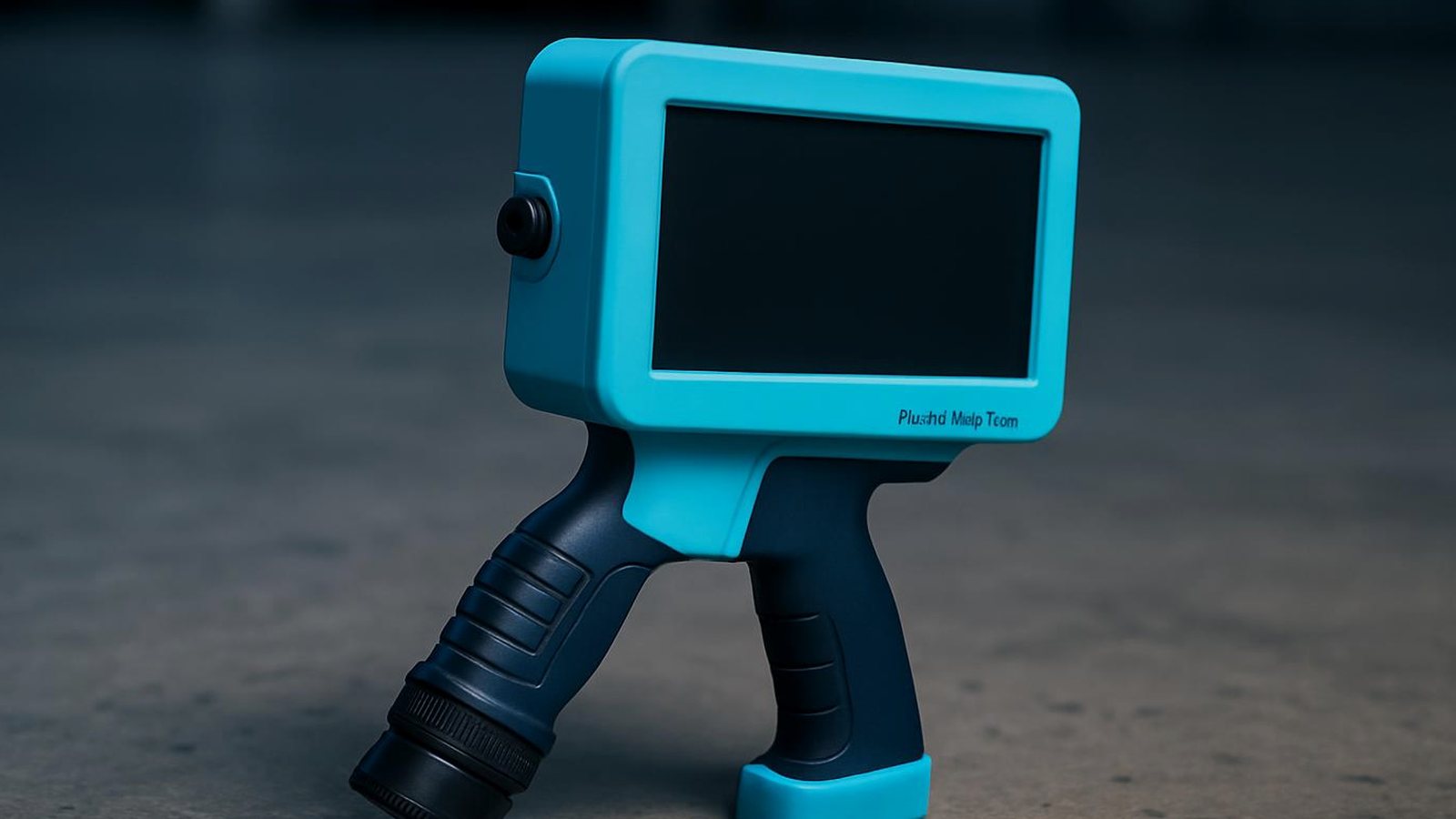
South African cold store teams run against power-cut windows and compressed handovers. Our field approach uses the ColdChain Mark handheld coder, paired with a codes note. The sequence is simple: define your substrate (carton or tray), note the walk from storage to van, and identify the operator. Photograph the first clean mark and print or pin a check card for the week. Cartridge and print template checks must be done twice, even when the floor is short-staffed. For SKUs requiring outdoor exposure or UV resistance, confirm ink choice before the morning rush. A codes note should be kept up to date, this stops marking language and numbers from drifting between shifts.
A warehouse in Germiston sends mixed fruit cartons to independent retailers in Gauteng and Limpopo. Cartons are chilled, stacked in the corner of a cold room, and often leave for loading just as the afternoon power cut hits. The lead operator selects ColdChain Mark, completes a walk path note, then snaps a photo of the first black-on-white mark. They print a check card and pin it above the loading gate, so the next shift sees exactly which cartridge was last used. The foreman runs two template checks before the rush starts. By Friday, the operator logs two failed marks from cartons with wet corners, prompting a review of ink choice and timing. The process prevents missing batch codes from heading off-site, and no one restarts from zero at the showroom handover.
Before you send a message through our contact form, gather your typical substrate (carton or tray), the actual walk route from storage to van, and a note of which checklist items are already complete. Let us know your city and if you have showroom handovers planned at Clearwater, Pavilion, Tyger Valley, or any other showroom. This helps us advise you on device fit and ink, and to point you to the right codes note for your field.
Cold store pack coding fails when teams skip the photo step, rush through the template check, or let the checklist blur with launch photos for marketing. South African crews sometimes compress checks during a power cut, risking incomplete marks on cartons that will be rejected at retail gates. Operators also under-report failed marks when staff rotate quickly. Always keep the codes note distinct from any branding work. Schedule a review at the end of each major handover or showroom shift. If you find patterns of failure, switch out ink or refer to cartridges advice before the next week starts.
Verified Google reviews