Field
Mark every farm crate with confidence, even when the yard is dusty and the crates move by bakkie. We help you keep the code visible from the packhouse to the depot.
Use our contact form with the yard crate type and target walk.
Farm crate yards are where field-picked produce, bins, or trays collect before heading to distribution. Marking each crate here means dealing with early-morning dew, Highveld dust, direct sun, and quick loading cycles. A good code stays visible after a ride through muddy orchards or rough roads. If you operate in Eastern Cape humidity, Gauteng dust, or Western Cape sun, your marks need to last until the last crate comes home. We work with managers, pick teams, farm hauliers, and anyone who needs to identify crates fast once the bakkie returns.
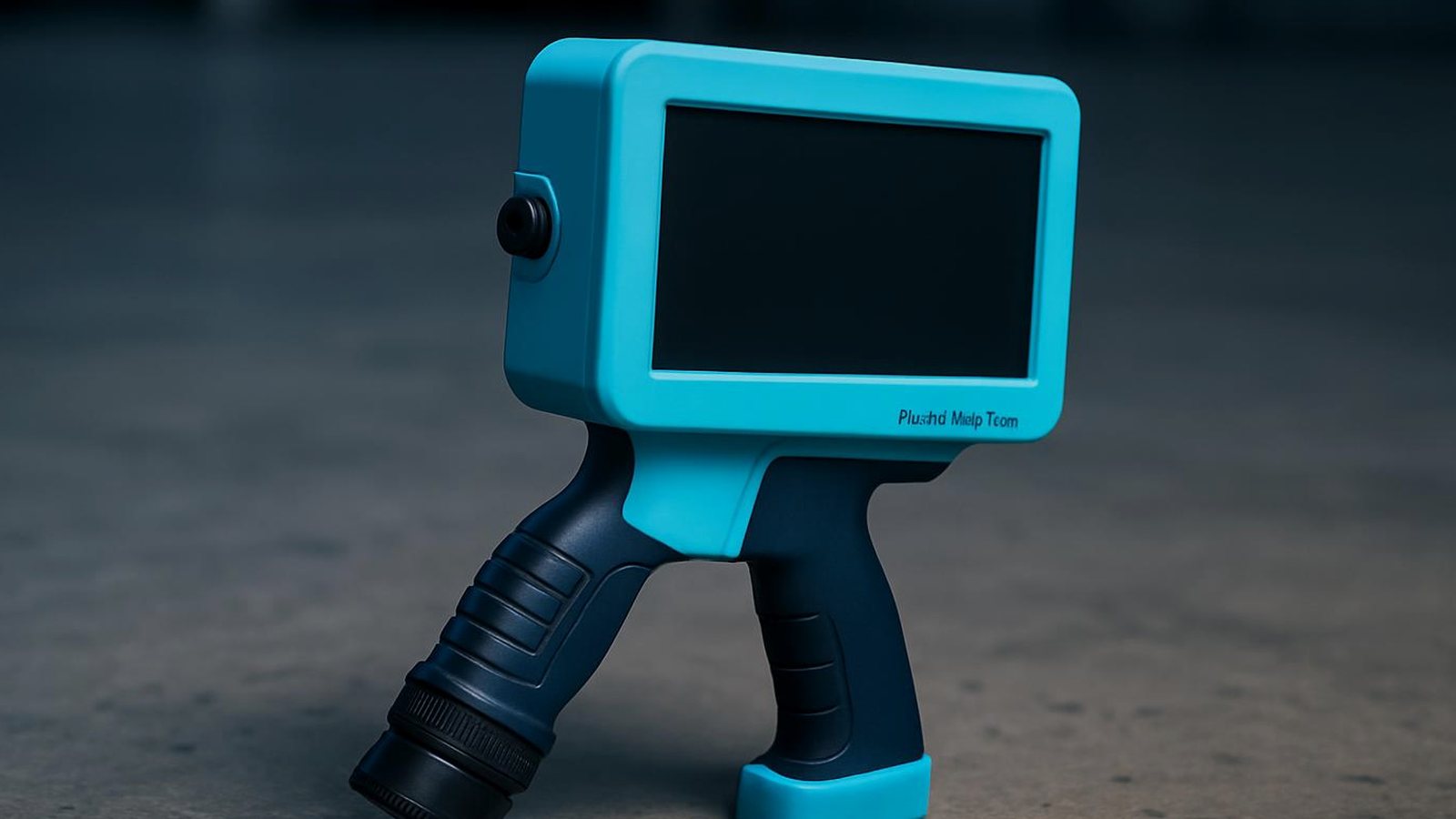
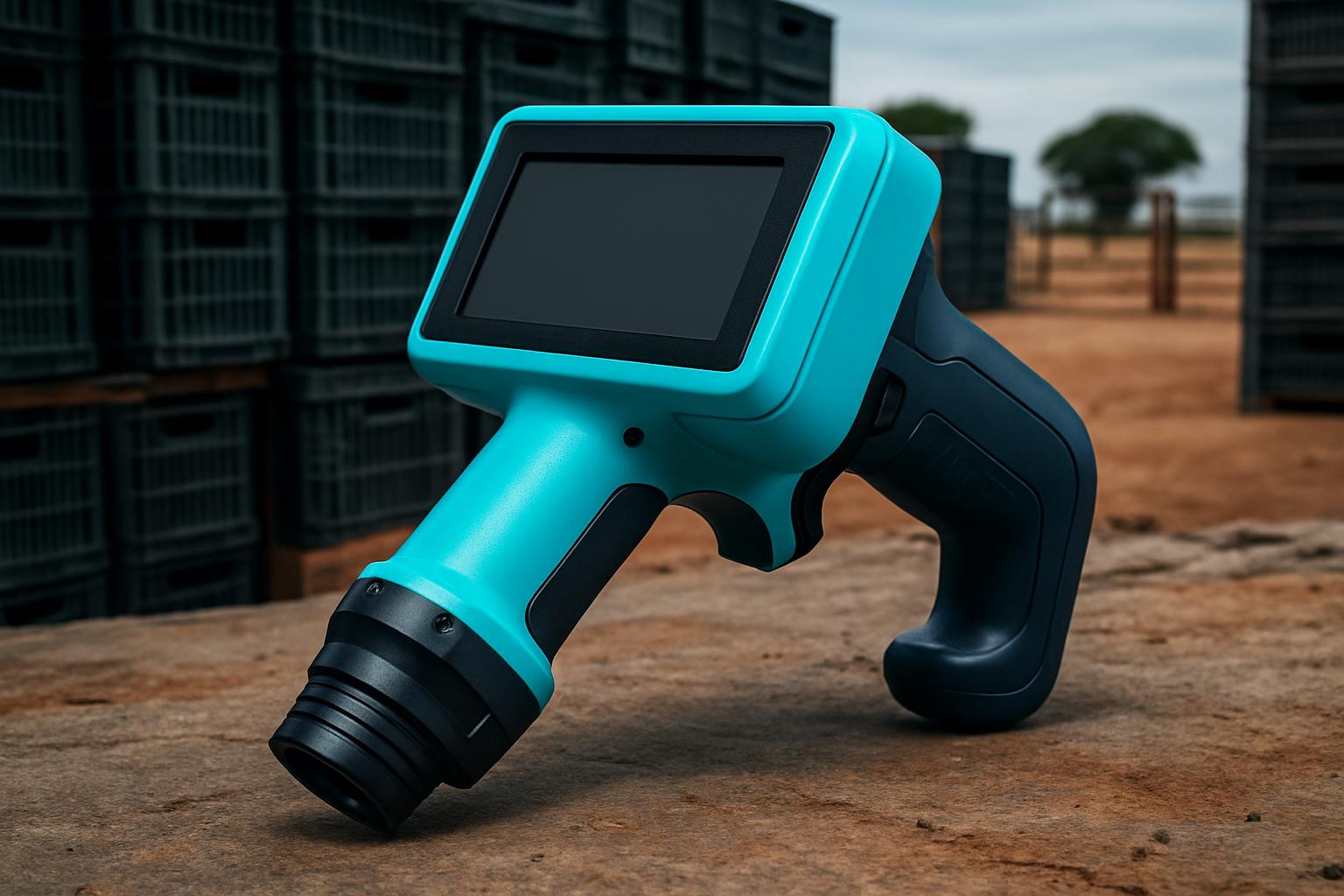
Fixed coding gear rarely fits the unpredictable paths, open-air spaces, or the fast-moving crates typical in these yards. The FieldPath Mini is our primary tool for these jobs, trusted to put a clear mark on plastic, wood, or metal in the open. We help you balance speed and code consistency, whether your team is two people or a whole shift.
Portable coding in farm crate yards suits operations where crates are often moved by hand, bakkie, or tractor, especially when the path from field to yard is unpredictable. If your team codes crates before they reach a packing shed, or if outdoor marking is more reliable than a fixed print station, this approach fits. Owners, farm foremen, and shift leads in Limpopo, Stellenbosch, or Piketberg use these tools when every crate needs traceability no matter the weather or route.
It does not suit productions with fully automated conveyor lines, shrink-wrapped pallets, or crates that never leave controlled packhouse environments. If you require ultra-fine text or photographic images, these handhelds are too practical and purposeful for such tasks. Bulk exporters and cold storage operators may find more value in cold store packs or warehouse carton applications.
Start by walking the typical crate route, from the harvesting field to the yard, noting where marks are needed and what material you must print on. The operator records this walk and pins a codes note for consistency. The FieldPath Mini is prepped with the right cartridge (UV or cold ink if required) and checked against the planned mark. Once the first good code is photographed, a field card is printed for the week and pinned to the operator’s work area.
South African yards usually run during power cuts, so plan power-dependent checks in one efficient window. The checklist discipline helps avoid skipped steps, especially photographing the first mark, so nothing gets missed when the next truck rolls in. If the weather turns or the yard fills, your backup is a clear codes note and prepped device, not a memory of last week’s mark.
A citrus farm in Tzaneen needs every bin coded before leaving the yard gate. The foreman emails our team a photo of a typical bin and describes the route taken from orchard edge to the yard loading zone. We recommend the FieldPath Mini for its battery run-time and ability to handle the region’s late morning heat. The operator photographs the first successful mark on a crate, prints the field card, then logs which shift lead is responsible for the substrate check.
Batch codes hold through handling, and the stacked bins reach the packhouse without confusion. When the process changes, crates start coming from a new orchard, a quick update to the codes note keeps everyone marking with the correct template, not guessing or hoping last week’s process still fits. The foreman can hand over with confidence, knowing every crate’s ID holds from yard to truck, no matter the power or weather that day.
Have these details to hand for a crate-yard coding query:
Teams often skip photographing the first mark, leading to codes that fade or run when crates are stored outside or handled roughly. Skipping a daily template check invites the wrong date or batch to slip through. Always separate the true checklist from any marketing or asset photos, the checklist is for the team, not the catalogue.
If a power cut shortens your testing slot, combine the cartridge check and template check in a single power window, but never skip verification. When crates come from more than one route, log exceptions before the daily rush starts and update the codes note so handover is clean. Showrooms from Baywest to Tyger Valley can continue the field without resetting progress if your handoff note is honest about what’s unfinished. For similar outdoor or regional coding fields, see Highveld outdoor batches and coastal humidity runs.
Verified Google reviews