30 Apr 2026
A first good mark photo saves time and confusion for mobile teams coding away from the line. See how this habit keeps your field jobs clean and traceable.
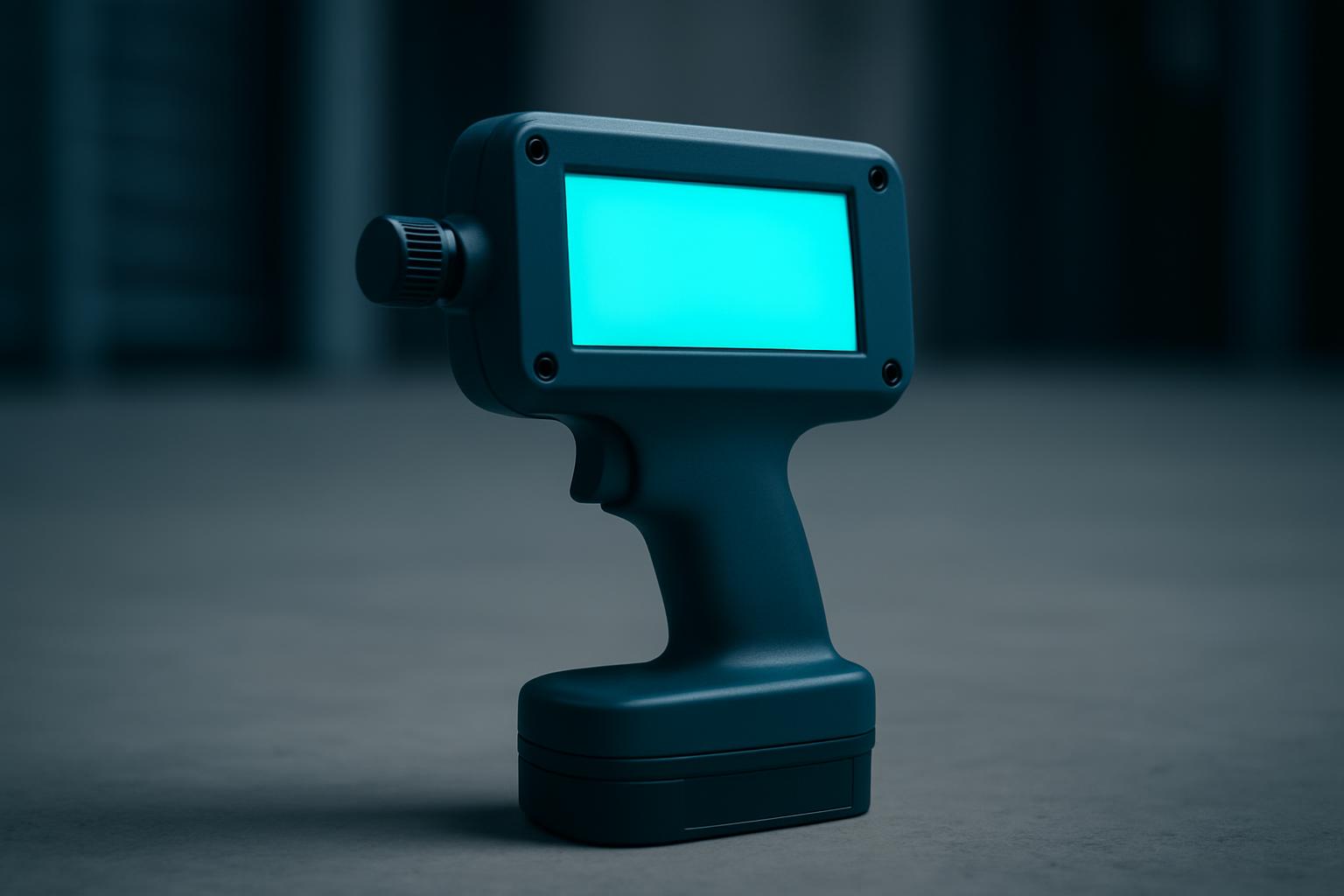
The first good mark photo habit means taking a clear photo of the first print that passes your check, right after setting up a handheld printer on a new SKU or substrate. This habit creates a practical record of what the mark should look like on that shift, with that cartridge, on that carton or crate. It's a routine for floor operators who move between sites, queues, or changes in the bay. The photo becomes a simple ‘folder start’ that can be referred back to if anything drifts or questions are raised. Teams in Gauteng or the coast find this habit helps avoid confusion when cartons change mid-morning or when coding rotates between crew members.
This approach fits operators and coding leads in South African yards, warehouses, farms, and dispatch teams where the job isn’t always at the same station, or where the substrate or packaging changes often. It is most useful if you already have a handheld device and a set route or bay card to follow. If your packing or marking happens in a fixed, controlled room with automated print inspection, or if you only print on one substrate for weeks at a time, you may not need this habit. For owners new to portable coding, start with the Devices page and return here once your team is ready to capture that first good mark.
In a typical Gauteng morning, the operator loads a fresh cartridge after confirming the carton type for the shift. Before the first run goes out, the operator prints on a test pack, checks that the print is clean and readable, then uses their phone to snap a clear photo. The shift date is written either on the bay card or noted with the photo in the crew’s shared folder. If a condensation problem comes up while working in a Polokwane cold store, that photo will show what a dry, correct mark looked like before the shift heated up. This prevents confusion later when team leads hand off to the next shift or have to answer questions from management.
A fruit packhouse in Gqeberha gets a new run of export cartons. The coding lead receives a soft, uncoated sample. She loads a solvent cartridge, checks the template, and prints the first test on the new board. After confirming the ink is sharp and the code is sized for the crate, she takes a photo, carton, date, and code all visible. The image goes into the shift folder before the morning gets busy. Midweek, a storeman flags faint ink in a later batch. The lead refers back to the photo, identifies that the cartridge swap happened midday, and can show management the original good mark. This avoids guesswork and shows the exact difference between the start of the run and where the issue began. For other examples, see Carton aisle marks that stay readable and Export pallet band height.
Several missteps can water down the benefit of the first good mark photo. Missing photos lead to team arguments about when a drift started. A blurry or distant photo may hide the flaw you’re trying to prevent. Failing to mark the date or SKU loses the point of the record. In wet coastal rooms, not flagging condensation risks false blame on cartridges. When the photo is stored in a private gallery instead of the shift folder, nobody can find it when needed. Always double-check clarity, label, and folder before you roll the next carton. For more on nozzle checks, see Nozzle care in a loud week or coastal damp carton marks.
Verified Google reviews