12 Jul 2026
When the bay is noisy and carton swaps run hot, nozzle care needs a repeatable plan. Here’s the routine that Ronesh Reddy asks coding leads to follow in a busy week.
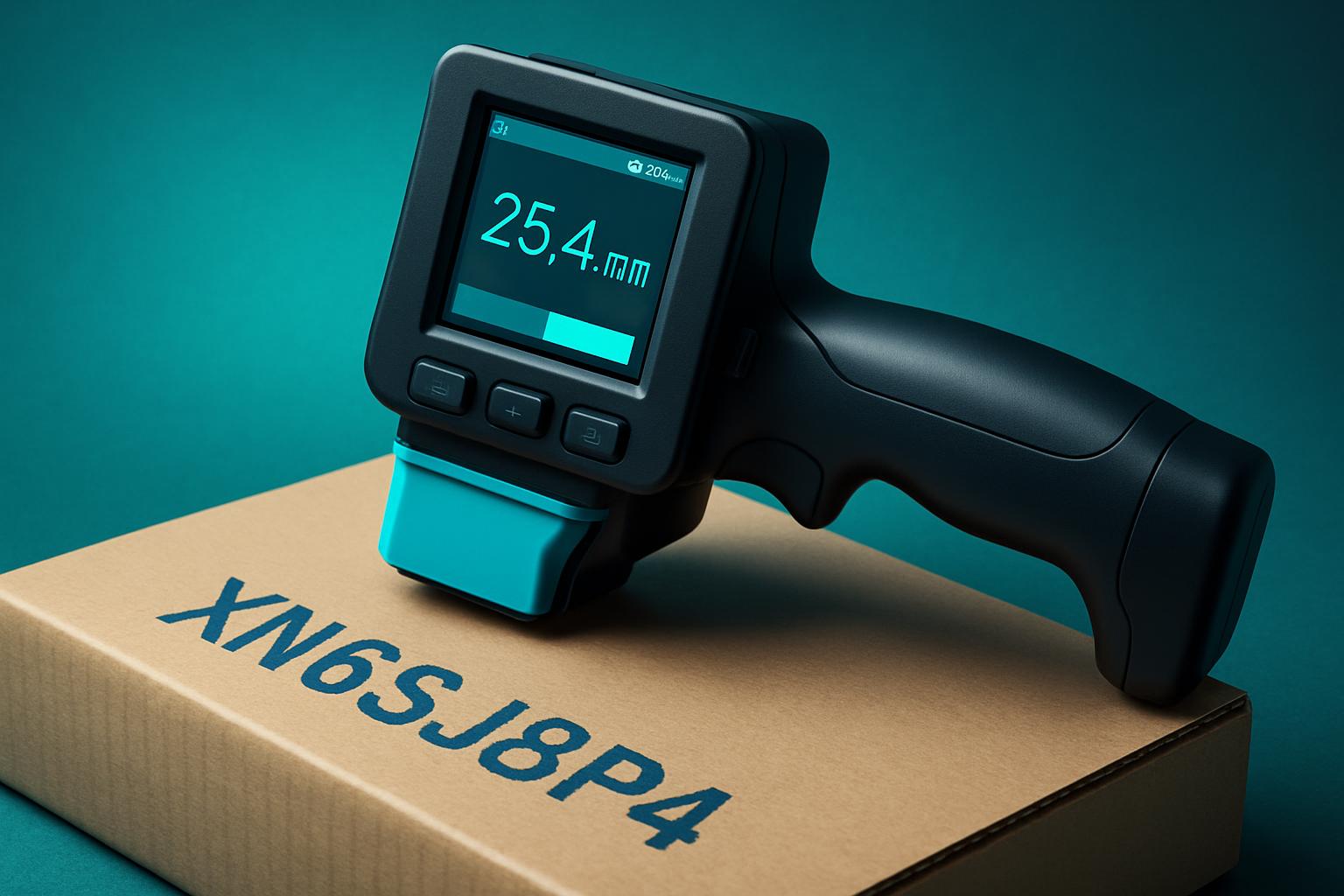
Nozzle care in a loud week is a practical routine for marking crews who already run handheld coders on South African floors. It comes from the real backlog days Ronesh Reddy has seen at Midrand and in industrial parks from Gqeberha to Polokwane. This is not for showrooms or first exposures. The advice is meant for leads and operators who must protect print quality despite staff rotation, carton changes, coastal humidity, or Highveld grit. If you need a deep-dive into cartridge options or substrate behaviour, start on cartridges and fields, then return once your floor is up and running.
This routine suits coding leads, foremen, and warehouse teams who already own a portable inkjet unit and face real bottlenecks. It earns its keep in bays where cartons, crates, or foil packs change mid-shift and outdoor light or cold-store condensation must be managed. If you are on day one, or still choosing a device, start with Devices. Marketing teams or logistics planners who only need coding for a one-off event should use promo colour swaps without mess or call for a demonstration instead.
This is not for people shopping for a new printer, nor for spec sheets and moodboards. The tips below assume you already have a workflow, have seen one good mark logged, and need language your crew will actually repeat when the line gets loud.
The floor routine here is designed for repeat use. Read the steps once, then use them as a spoken checklist during changeover or before the first lunch bell. Cover each point and you will protect your marks, even when a power cut chops a shift or a new carton arrives without warning. The routine keeps each handover clear and the nozzle tip ready for the next order. When outdoor or cold-store work is involved, adjust the steps for sun path or condensation risks.
It’s a Thursday in Isando. The coding lead receives a late batch of carton samples and the forklift operator reports the sun is pushing glare across the bay’s eastern wall. The routine starts: confirm the substrate is the new carton, then check the installed cartridge matches the correct ink for that carton stock (water-based for absorbent, solvent for laminated). A test print is made and photographed. The operator logs ‘new carton, print height 15mm, ink swap at 07:15’ in the shift log. Outdoor UV risk is noted, so the team walks the sun path with the yard lead. They check that all spare packs are on hand for the afternoon shift. The bay card is updated before anyone unloads promotional stock. Any drift or issue is photographed and set aside for a message through our contact form.
If something drifts off target, prepare a short message through our contact form. Attach a clear photo of the problem, one line on the substrate and cartridge, date of the shift, and any action already tried (wipes, swaps, template lock). This gives our team the details needed to pin down the issue without unnecessary back-and-forth. Do not wait for the shift to end if the mark drags, splinters, or washes in humidity. If the question relates to outdoor marking or a special substrate, mention your region (Gauteng, Cape Town, Durban, etc.) so local dust or weather can be taken into account. For common nozzle queries, try cartridge shelf order and Highveld UV ink choices before you write in.
Nozzle slip or clog is most common when teams rush swaps or improvise a procedure in the middle of a shift. Highveld dust is fast on nozzles, while humidity near Durban or Gqeberha means water-based inks can smear unless swapped for the correct cartridge. Never invent a new field or template mid-shift just because a sample landed without warning. Always compress cartridge and template checks if you know power cuts will slice the afternoon. Store the first good mark photo every shift, not just when you remember. This is the fastest way to catch drift before it costs a batch.
If you face repeat problems, see our notes on batch codes before the van leaves, auto part oil wipe, or soft foam corner marks.
Verified Google reviews