06 Jul 2026
For crews who face soft foam corner marking, pressure-limited heads prevent cratering.
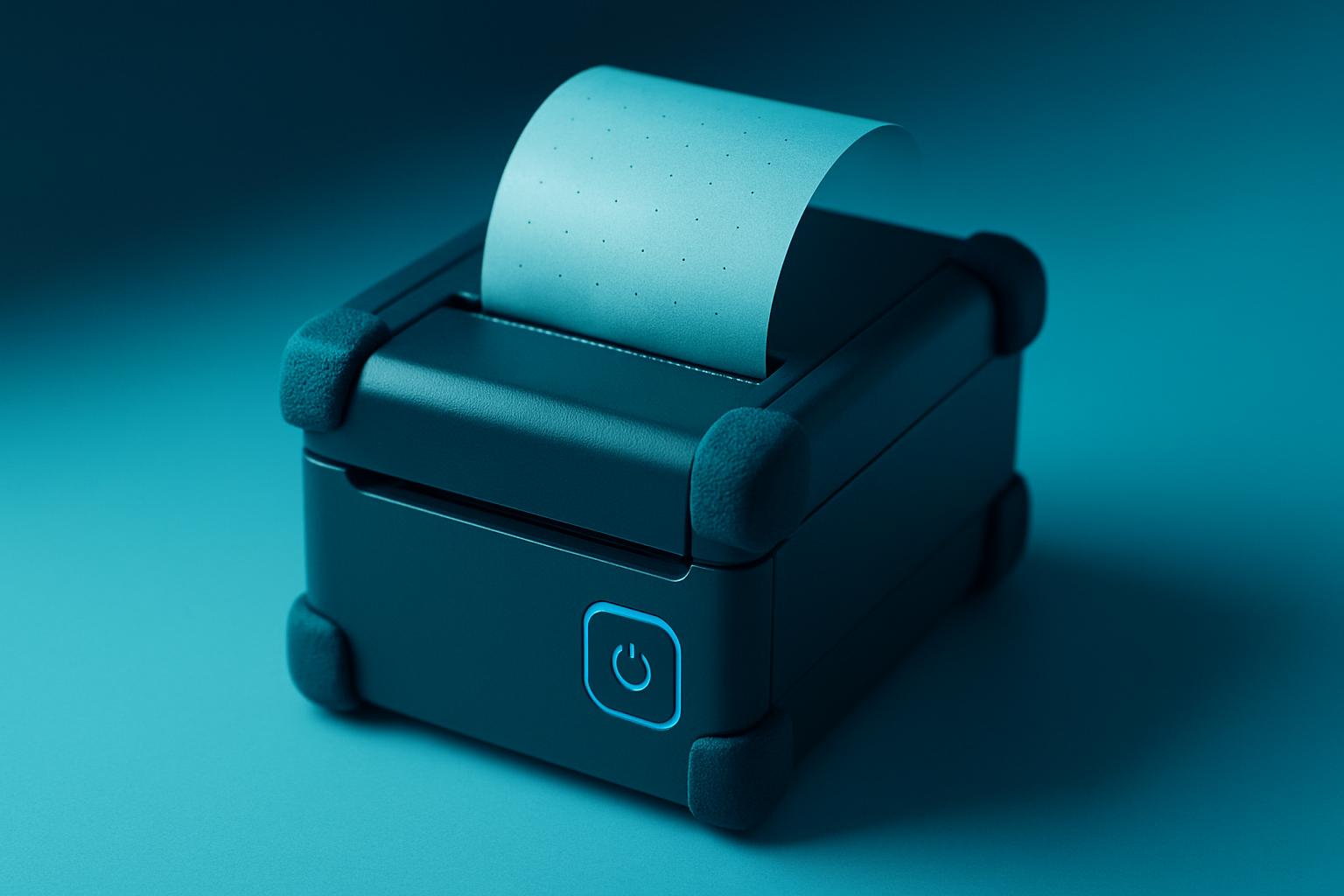
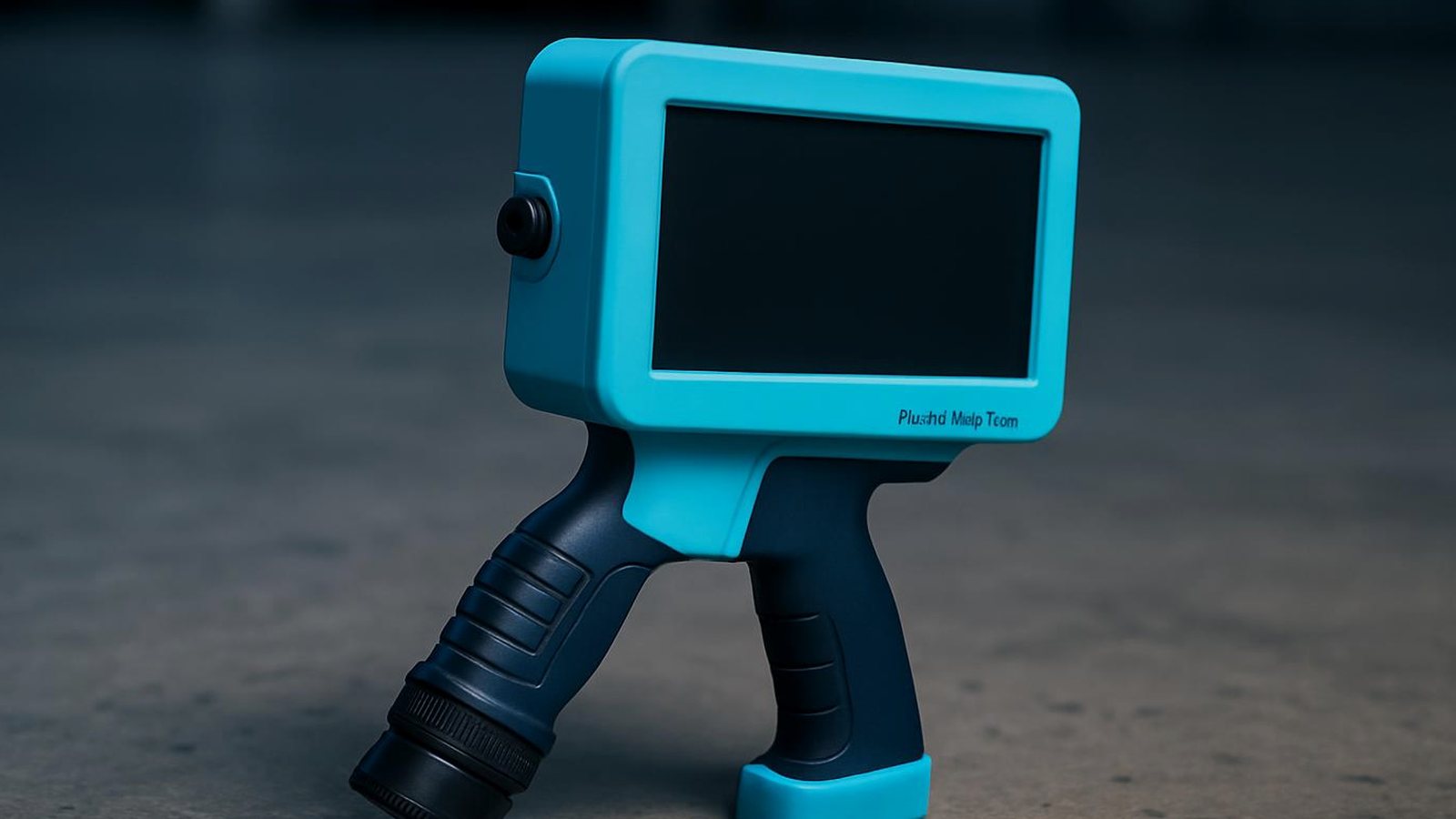
When you run soft foam or light cartons, especially in mixed loads, traditional high-pressure coders can crater the corner or leave a shadowed mark. Our handheld coders with pressure-limited heads stop the tip from sinking into the foam, making a cleaner, repeatable print. In Gauteng transfer bays and Cape Town pack rooms, operators reach corners that fixed coders miss, especially when the walking height changes with every crate. If you run batches that move from hard to soft packaging across a shift, soft foam corners need their own handling to avoid wasted packs and delays.
You will benefit most from this note if you run mixed substrate lines, export jobs with several packaging types, or repack to customer spec in a single day. If your cartons are always rigid, a standard field process may be enough. For pharma, FMCG, or regional distribution hubs where packers change substrates mid-morning, pressure control on foam or soft corners avoids waste and keeps the line moving. Teams who rarely see soft cartons or who code only solid cores can skip this detail and focus on standard cartridge shelf order instead.
The shift starts with a walk to check the substrate, today, soft foam corners mixed with corrugated cartons for a client in Isando. The operator clips in the correct cartridge, checks pressure on the head, and snaps a photo of the first good code on the foam corner. During the 10:00 rush, a bakkie brings in a stack of softer cartons that the lead logs on the bay card. When Highveld dust collects on the tip, a quick check keeps marks clear. The export bay logs exceptions, and the handover sentence for the next crew is set before lunch. This stops confusion if new substrate samples appear mid-shift. An afternoon power cut is expected, so the crew compresses checks into one power window and photographs all first marks before power drops.
Before you send a message through our contact form, have the following ready: the foam carton type you need to mark, your current cartridge details, and a short note on how your crew logs exceptions or substrate changes. If you already have a bay card or template, mention this in your mail. Refer to our first good mark photo habit note if you need a process for shift records.
Your foam type, walk height and load mix shape our advice. If you are at day zero, start on Devices and return when your first test mark is logged.
Cratering from pressure is the most common problem, never use a fixed high-pressure coder for soft foam. Coastal rooms face water-based mark smudges if the wrong cartridge is used; see coastal damp carton marks. Highveld floors collect dust quickly, which can block the nozzle and blur the code. Always pair the cartridge check with the template review, especially during a power cut when power windows are short. Never introduce a new pack field or make up a workaround mid-shift. Log everything on the bay card, and keep spare packs handy.
If your line faces UV exposure, check the sun path with the yard lead, as recommended in Highveld UV ink choices. For export freight, band height can confuse handlers, refer to export pallet band height and photograph the result before dispatch.
Verified Google reviews