01 Jun 2026
A clean surface means your SteelMark Edge print stays sharp and does not lift.
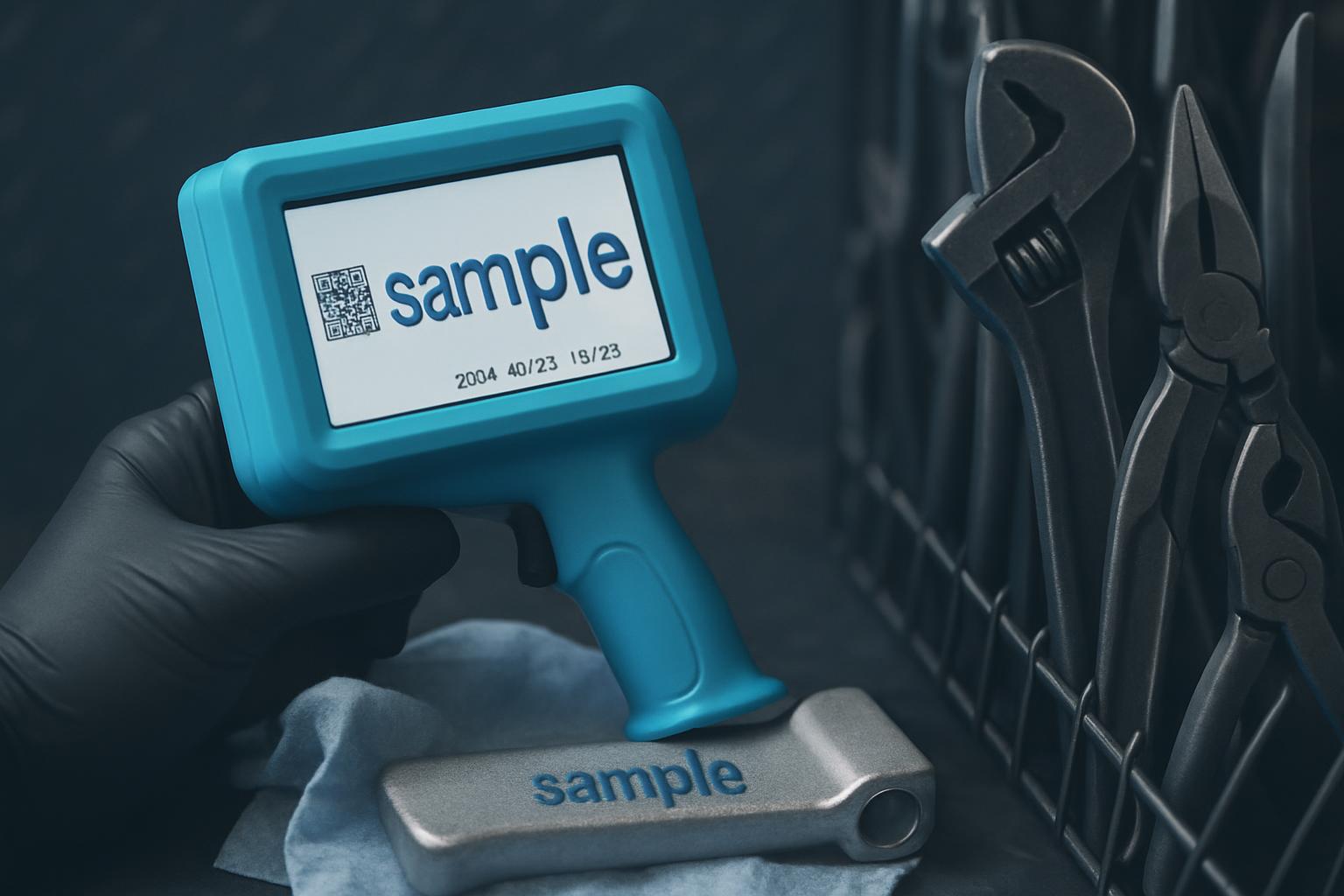
SteelMark Edge marks only last if the substrate is ready. On many South African floors, dust, oil, and humidity all mess with adhesion. From Midrand to Isando, even small residues from storage or handling leave marks that rub away or bleed. On auto parts, a simple wipe with the correct cloth helps the code stick, survive a storage yard, and remain legible past dispatch. Miss one wipe, and you risk faded codes, scrap, or slowdowns while operators redo batches. That is one reason first good mark photo habits are drilled into each shift.
This habit is for teams who already own a SteelMark Edge or similar portable printer and want less drama on the line. It does not suit teams who only mark sealed packs where surfaces stay clean from production to packing.
Auto part oil wipe before mark helps when the packaging changes mid-shift, or when a power cut and shift swaps put pressure on timing.
Crews working with cold store, outdoor yards or fast-moving export lines will see the best results. If you are only coding dry, factory-wrapped items that stay untouched until the next stage, this wipe habit may not add value.
Teams just shopping for devices should start here and come back once an Edge has printed a shift’s worth of codes.
On the floor, the process is short: confirm your substrate (steel, aluminium, coated timber, plastic), check for oil, dust or marks, and use a lint-free, non-abrasive wipe to clear the coding area. Only then do you reach for the SteelMark Edge. In practice, the foreman often stores wipes with the spare cartridges in the same coded tub as the template cards.
If you are in Germiston or the East Rand, Highveld dust can settle on parts after just an hour. Down in Durban’s humidity, condensation and finger marks are worse. Some teams use a fresh wipe every 15 parts, others after every lunch break. If there is any doubt, operators describe the mark and send it straight through our contact form for advice.
The operator starts at 06:00 in the Germiston metal bay, prepping a run of brackets. They check the substrate, bare steel, with some oil from upstream handling. The shift lead calls for a quick lint-free wipe on each bracket’s print zone. After wiping, the SteelMark Edge is loaded with the right cartridge and the team prints the first code.
A photo of that first good mark is filed, then the next 50 brackets are marked. At 09:30, a new crate of parts from Gqeberha arrives with extra dust. This triggers another wipe round and a short log entry. Every exception, swapping to a water-based ink, or a new carton sample, is logged in one line. When a power cut hits at lunchtime, cartridge checks are compressed into the available power window.
If you need advice or want to report an issue, have these ready before using our contact form. This saves time and avoids back-and-forth, especially when the photo log already shows what happened.
For more on templates or quiet coding in pharma rooms, see template lock for pharma lots or quiet secondary pack rooms.
Missed wipes create most failures, marks that lift with a fingernail, or fade before dispatch. Skipping the first-good-mark photo means problems go unnoticed until the next shift. Rushing during a power cut invites shortcutting the wipe step or missing a cartridge check. In export weeks, don’t rely on freight handlers for height checks, walk the export pallet band height yourself.
Do not invent a new process mid-shift because a new carton sample arrives; log it, wipe as usual, and keep the checklist tight. Always check for condensation in cold stores and separate the wipe from the template load. Protect your coded wipes and logs when moving between bays, the right habits avoid scrap and second runs.
Verified Google reviews