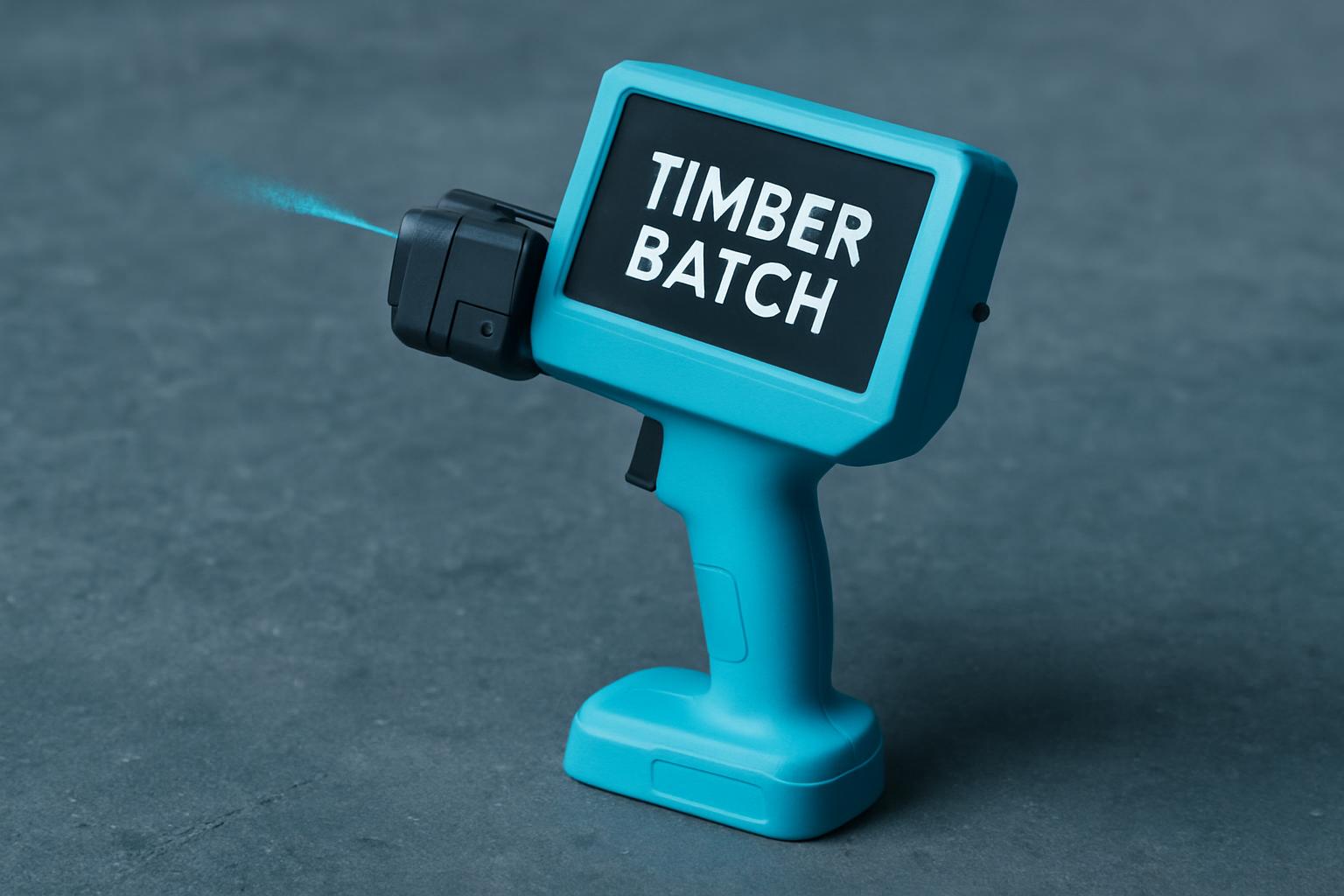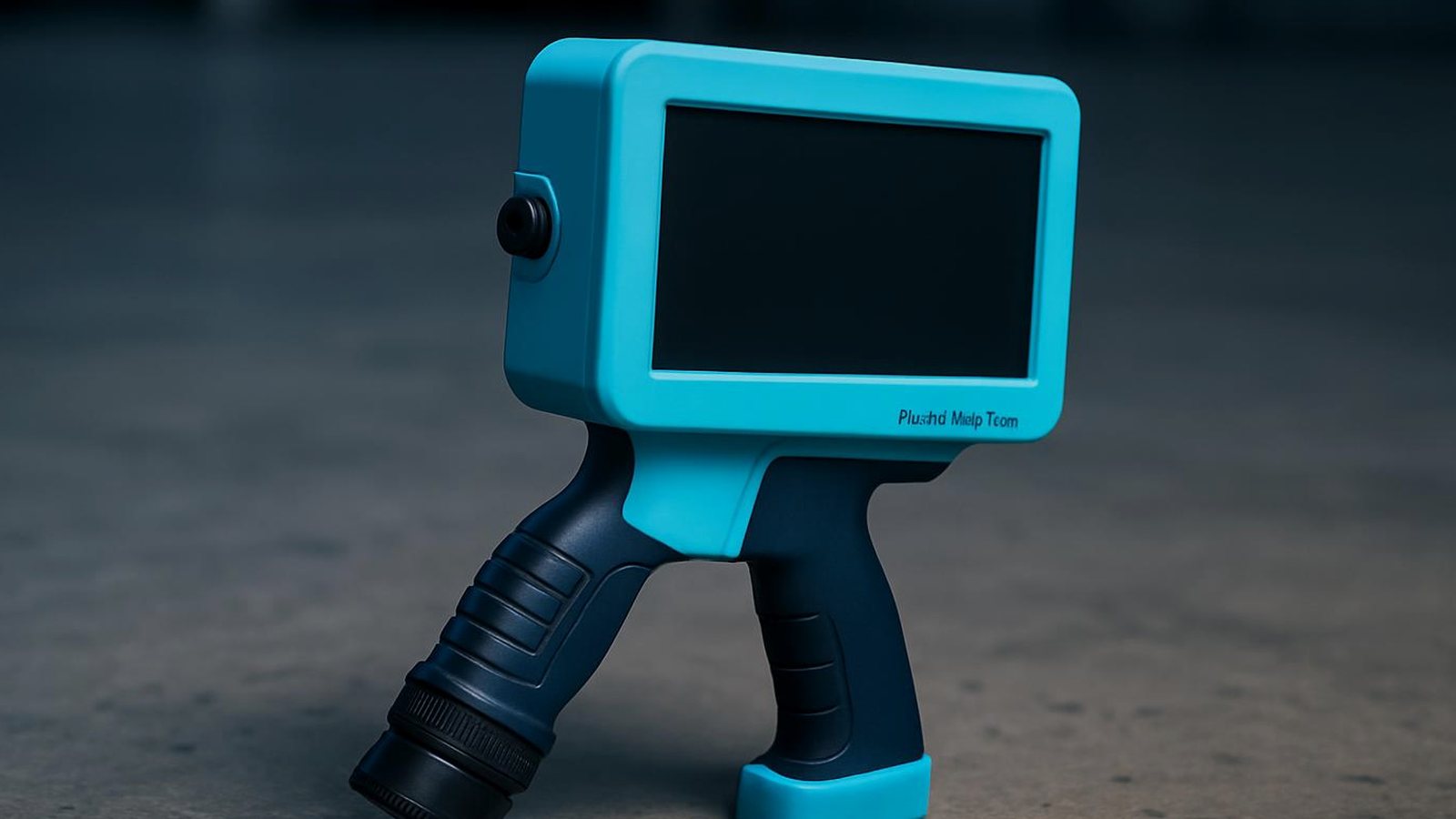
Timber Batch suits operators working in sawmills, board yards and timber processing plants in South Africa. If you need to mark timber lengths, board stacks or export crates with batch, date or customer codes, this handheld keeps up with your actual walk pace. It is made for rougher substrates and open yards, places where a fixed coder cannot reach end-of-line tickets, split packs or the back of a stockpile before shipping. We see it most in Gauteng crate parks, coastal lumber yards and timber teams who load while the generator is warming up.
Timber Batch is not aimed at glass bottles, fine tubes, rigid plastics or ultra-speed food lines. If you need micro-print for pharma or soft cartons, see Pharma Lot or ColdChain Mark. For soft foam, flexible film or anything that needs gentle heads or special inks, check InkCell Soft or ask for advice.
Every device is paired to the substrate and pace of your team. You match the printer to board ends, pine or eucalyptus lengths, rough crates or even a painted timber face. We focus on kits that survive Highveld heat, coastal humidity or the grit of an open yard. Operators do not need to learn a long menu or read a thick manual after a 12-hour shift. Instead, we supply one clear check card and a short note with each unit, what cartridge matches what timber, what to do if marks smudge, and how to get a clean start.
You start your shift, print the first code, photograph it on the substrate, and keep that photo pinned to your next carton or crate mark. If there’s a template or mark query, everyone works from the same starting point. In export seasons, this helps Midrand and Isando teams avoid WhatsApp confusion at 05:30.
Setup is practical. When the device lands, check it against your usual timber, treated pine, hardboard or whatever you stack. Ink cartridges are checked twice, especially if you run shared fleets on busy yards. Operators walk the aisles, mark ends or crate faces, and keep pace with loading. If the template must change for a different customer, swap it mid-shift, no need for a reset or office visit.
A typical shift in a Limpopo crate yard runs like this: Before start, the foreman checks the device and cartridge type. The operator prints a test code onto a fresh length. The photograph goes to the shift lead, and the mark template for the day gets pinned above the loading bay. Cartons, ends and crates are coded as they move, and if anything looks wrong, the earlier photo is the reference. If humidity rises, or if you switch to another substrate, swap the cartridge and repeat. Simple notes and short check cards keep things honest.
To help us match the device properly, prepare the details that matter. Show us the timber, board or crate where you want the mark. Photograph the usual walk path, is it open yard, under canopy, or between racks? Tell us your target walk speed, and if you have already tried a specific ink or cartridge, mention which one. This helps us advise if FieldPath Mini suits you better, or if you need spare cartridges from the Care & Spares Kit. When you are ready, send a message through our contact form with the details below.
Common trouble comes from the wrong cartridge, skipping the first good mark photo or mismatched templates. If marks smudge or fade in a humid Durban plant, check your ink choice and mark surface. If templates change mid-week, update every operator’s check card, not just the line lead. Never run a shift without a spare cartridge, especially if you walk a long aisle or run double crews for export orders.
Keep your Care & Spares Kit close, and review the Codes notes to match language with your team. If you ever need to adjust for a new field path or crate size, see Timber Batch Service or ask about template swaps at our contact form.
| Ink / cartridge | Wood-safe pigment cartridge |
|---|---|
| Print / walk | 25.4 mm · rough grain mode |
| Power | Yard pack · dust flap |
Verified Google reviews